NEP 2020 Early Learning: Revolutionizing India's School Readiness
As India embraces a new era in education, the National Education Policy (NEP) 2020 is fundamentally transforming how we view NEP 2020 early learning and school readiness. A recent Google News feature, 'Foundations First: How NEP 2020 is Shaping India's Early Learning Revolution,' rightly highlights this critical shift, moving away from rote memorization towards holistic development. This policy is a definitive roadmap, ensuring every child in India, from a bustling Bengaluru apartment to a serene village home, receives a strong, joyful start to their educational journey.
For parents anxiously preparing their little ones for preschool, LKG, or UKG, understanding NEP 2020 is key. It's not just about policy documents; it's about a revolutionary approach that aligns with what child development experts have advocated for decades: learning through play, exploration, and experience. This matters immensely because a concrete foundation in early years dramatically impacts a child's future success. Indian parents can actively participate by understanding these changes and choosing learning approaches that nurture their child's innate curiosity.
What is NEP 2020's Vision for Early Learning?
NEP 2020's vision for early learning is a comprehensive framework designed to ensure every child aged 3-8 years has access to high-quality Early Childhood Care and Education (ECCE). This foundational stage focuses on developing cognitive, social-emotional, physical, and creative abilities. The policy is guided by the National Curriculum Framework for Foundational Stage (NCF-FS), released by NCERT, which emphasizes play-based, activity-based, and discovery-based learning, making education joyful and meaningful.
A New Foundation: The Shift to Foundational Literacy and Numeracy (FLN) under NEP 2020
One of the cornerstones of NEP 2020 is its strong emphasis on foundational literacy and numeracy NEP (FLN). This isn't about pushing academics prematurely; rather, it's about ensuring every child by Grade 3 can read with comprehension, write simple sentences, and perform basic arithmetic. Research shows that a child who achieves FLN by age 8 is significantly more likely to succeed in later schooling and life. This focus directly counters the previous pressure for early rote learning, which often led to conceptual gaps.
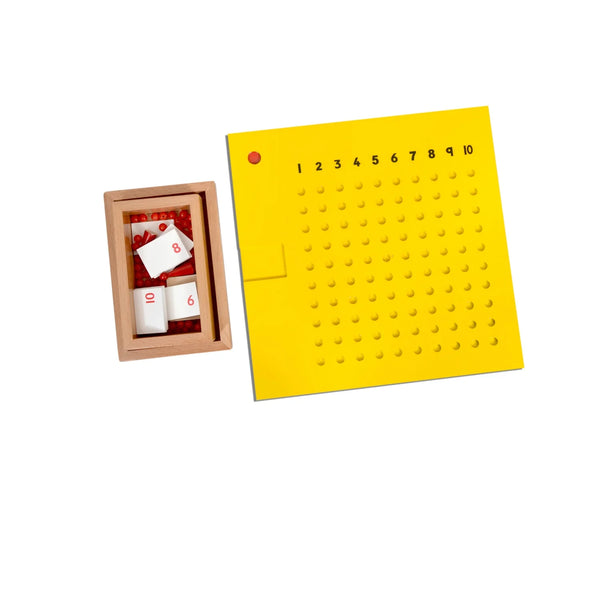
Child development experts agree that FLN is best built through hands-on engagement. Imagine a 4-year-old, like little Rohan in a Bengaluru joint family, not just reciting numbers, but actually counting mangoes during a visit to the market, or sorting different coloured beads. These real-world interactions and play with Montessori sensorial materials like the Number Rods or Geometric Solids build true understanding, a principle at the heart of both Montessori and NEP 2020.
Early Childhood Care and Education (ECCE): Beyond Just Preschools
The early childhood care and education NEP framework expands beyond formal preschools. It recognizes that a child's primary learning environment is often the home, supported by parents and grandparents. This holistic approach acknowledges the crucial role of families in nurturing a child's physical, emotional, and cognitive growth. The news regarding changing preschool education in cities like Ahmedabad by 2026 further underscores the systemic shift happening at all levels, urging parents to look for ECCE centers that truly embody NEP's spirit.
For parents, this means integrating learning into daily life. For instance, involving a 3-year-old, like young Diya, in helping arrange spices for dinner or setting the table helps develop practical life skills, fine motor coordination, and a sense of responsibility. These seemingly simple activities are rich learning opportunities, fostering concentration and independence – skills invaluable for school readiness. This period, from ages 3-8, is about building a robust foundation of curiosity and resilience.
Montessori Principles and NEP 2020: A Natural Synergy for Indian Homes
The alignment between Montessori philosophy and NEP 2020 is striking. Maria Montessori's emphasis on a 'prepared environment,' self-directed learning, and hands-on exploration with concrete materials directly echoes NEP's vision for activity-based education. The policy's push for experiential learning is not a novel concept; it's a validation of approaches like Montessori that have proven effective globally for over a century.
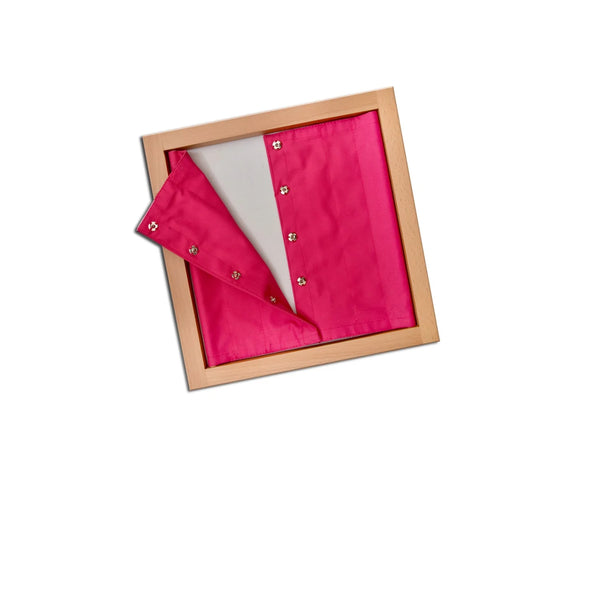
The NEP isn't just making school fun; it's a deep policy shift acknowledging that a child's brain develops foundational cognitive and social-emotional skills most effectively through self-directed exploration and sensory engagement, much like how a child masters their mother tongue through natural immersion, not textbooks. For example, using Montessori practical life toys allows a child to pour water, button clothes, or sort shapes, building crucial fine motor skills and problem-solving abilities that are directly transferable to academic tasks like writing and logical reasoning. These activities naturally prepare a child for school, fostering independence and a genuine love for learning.
Empowering Parents: Preparing Your Child for the NEP Era
Understanding NEP 2020 school readiness means shifting focus from rote memorization to fostering a child's innate desire to learn. For parents in India, this offers a reassuring alternative to the traditional pressure cooker approach. Instead of stressing over flashcards, spend time narrating stories during bedtime, encouraging your child to describe their day, or involving them in simple household tasks. These interactions build language skills, cognitive connections, and emotional intelligence – all critical components of school readiness as envisioned by NEP 2020.
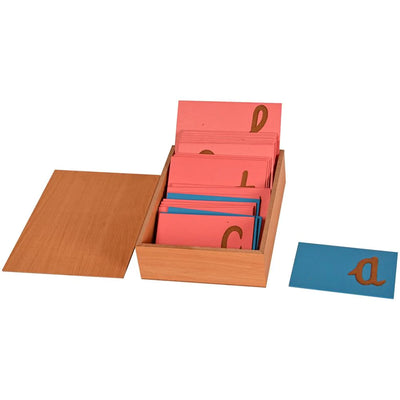
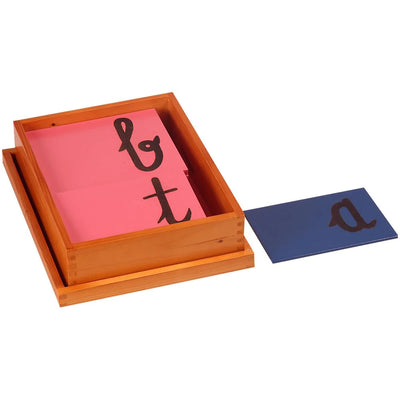
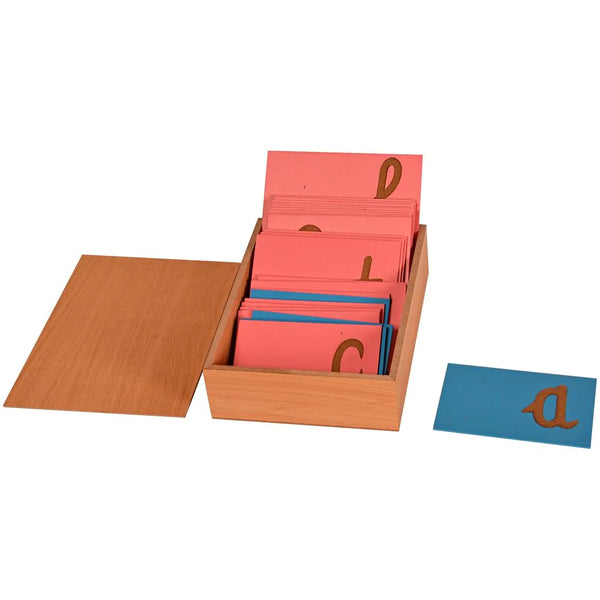
You can make a tangible difference by consciously choosing educational materials that align with these principles. SkilloToys.com offers a range of Montessori educational toys designed to support self-directed learning. Consider toys that encourage sorting, matching, building, and imaginative play. For instance, offering Montessori language materials like Sandpaper Letters allows a child to trace letter forms with their finger, engaging multiple senses and laying a strong foundation for reading and writing, rather than just memorizing alphabets.
Ultimately, NEP 2020 empowers parents to be active partners in their child's holistic development. By embracing its principles, you're not just preparing your child for school; you're nurturing a curious, confident, and capable individual ready to thrive in India's evolving educational landscape and beyond.