Preschool Education Changes India: Parent's Readiness Guide
The landscape of preschool education changes India is currently undergoing significant transformation, requiring parents to actively adapt for their child's school readiness. This guide clarifies the systemic shifts driven by NEP 2020 and new age rules, empowering Indian parents to confidently navigate the evolving early learning environment.
What is the Evolving Preschool Landscape in India? India's evolving preschool landscape signifies the dynamic changes in early childhood education (ECE), largely driven by NEP 2020 and revised age rules for school admissions. This transformation directly impacts learning approaches and school readiness. Indian parents can navigate this by understanding new frameworks and supporting holistic development at home.
Understanding the Core Preschool Education Changes India
The fundamental shift in the evolving preschool landscape India stems primarily from the National Education Policy (NEP) 2020, which redefines the foundational stage of learning. Previously, preschools operated with varied structures; now, there's a strong push towards standardized, play-based learning for children aged 3-8. This aims to reduce the academic pressure often seen in traditional Indian preschools, allowing children to learn through exploration rather than rote memorization.
A major area of concern, and a significant challenge for parents planning for 2026 admissions, involves the evolving age criteria for Class 1. States like Goa have already implemented new rules, and similar discussions are surfacing in regions like Ahmedabad and Jaipur, impacting how parents prepare their children for LKG and UKG. These policy changes highlight the need for preschools to adapt their curriculum and teaching methods to ensure children meet new developmental milestones, not just academic ones.
NEP 2020's Foundational Stage: A New Blueprint for Early Learning
The NEP 2020 preschool impact is most evident in the emphasis on the 'Foundational Stage' (ages 3-8), advocating a 5-year continuum of learning that includes 3 years of preschool and 2 years of primary education (Classes 1 and 2). This foundational approach focuses on developing cognitive, physical, social, emotional, and ethical capacities, alongside early literacy and numeracy. Child development experts agree that a strong foundation in these years is critical for future academic success and overall well-being.
This policy promotes experiential learning, activity-based engagement, and storytelling, igniting an 'Early Learning Revolution' across India. For parents, this means seeking preschools that prioritize play, discovery, and a holistic development framework. It’s a shift from merely preparing for exams to nurturing a genuine love for learning from an early age.
Navigating Age Rule Changes and Their Implications
The recent changes, such as the Goa Class 1 age rule preschools are facing, are creating ripples nationwide. Many states are aligning with the NEP 2020 recommendation of a 6+ age for Class 1 admission, impacting children who might have traditionally entered LKG at 3 or 4. Parents preparing for 'Preschool Admission Trends: Families in Jaipur Are Following in 2026' must consider these shifts carefully.
This transition means that some children might spend an additional year in preschool or bridge programs. It is crucial for parents not to view this as a setback but as an opportunity for more robust foundational development. Ensuring consistency in learning environments and focusing on age-appropriate skills, rather than rushing into formal academics, will be key to helping children adapt smoothly to these revised age mandates.
The Rise of Future-Ready Preschools: What to Look For
In this dynamic environment, identifying future-ready preschools India needs involves looking beyond traditional parameters. These institutions embrace a child-centric philosophy, offering stimulating environments that encourage curiosity and independent thinking. They prioritize well-trained educators who understand developmental milestones and are adept at implementing play-based pedagogies aligned with NEP 2020.
Such preschools emphasize a balanced curriculum that nurtures not only cognitive skills but also socio-emotional intelligence, problem-solving abilities, and creativity. Research shows that engaging children in hands-on activities and fostering a love for learning in these early years leads to more resilient and adaptable individuals. Ask about teacher-student ratios, outdoor play facilities, and the integration of diverse learning materials.
The Montessori Advantage in a Changing Landscape
The Montessori approach, pioneered by Dr. Maria Montessori, naturally aligns with the goals of the evolving preschool landscape in India, including NEP 2020's focus on experiential learning. Montessori preschools emphasize self-directed activity, hands-on learning, and collaborative play, making them inherently adaptable to these new requirements. Children learn through interaction with specially designed Montessori learning materials, fostering concentration, independence, and a deep understanding of concepts.
This philosophy prepares children not just for school, but for life. The emphasis on practical life skills, sensorial exploration, and concrete learning makes it an ideal framework for the foundational stage, supporting children aged 3-6 in developing intrinsic motivation and a strong sense of self. Many parents are finding that the Montessori approach changing preschools for the better, offering a holistic preparation that meets new policy expectations.
Empowering Your Child at Home for School Readiness
While preschools are adapting, parents play an indispensable role in ensuring their child's school readiness, especially within the supportive framework of Indian homes and joint families. Engaging children in everyday activities, storytelling with grandparents, and celebrating festivals together are rich learning opportunities. Focus on developing essential life skills, which build confidence and independence.
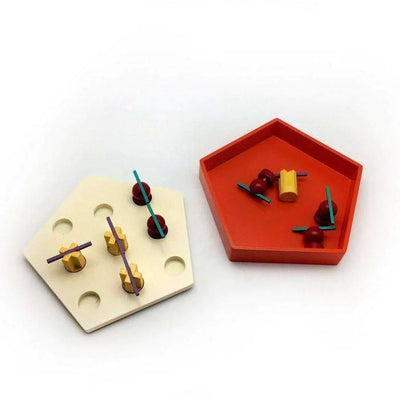
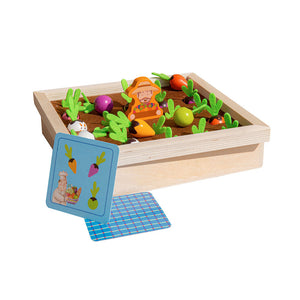
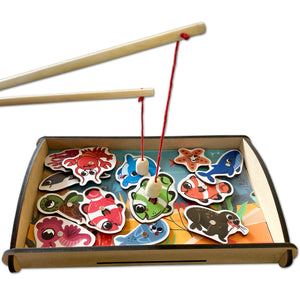
At home, create a 'prepared environment' by offering age-appropriate activities. Encourage practical tasks like dressing themselves, pouring water, or helping with simple chores using practical life materials. Provide opportunities for fine motor skill development with fine motor skill toys like puzzles, building blocks, or sorting games. These activities are invaluable for strengthening hand-eye coordination and concentration, crucial for academic tasks later.
Remember, true school readiness extends beyond academics; it encompasses social confidence, emotional regulation, and a genuine love for learning. By understanding the ongoing changes and actively participating in your child's early education journey, you equip them with the resilience and skills needed to thrive in any educational landscape.
- Preschool education in India is undergoing significant systemic changes, driven by NEP 2020 and evolving age rules for primary admissions.
- NEP 2020 emphasizes a 'Foundational Stage' (ages 3-8) focused on play-based, experiential learning for holistic development.
- New age criteria for Class 1 (e.g., 6+ years) are impacting LKG/UKG admissions and requiring parents to adjust their school planning.
- Future-ready preschools prioritize child-centric, experiential learning, well-trained educators, and a balanced curriculum beyond rote academics.
- The Montessori approach naturally aligns with NEP 2020's goals, fostering independence, concentration, and a love for learning through hands-on materials.
- Parents play a crucial role at home by creating a 'prepared environment' and engaging children in practical life and fine motor activities for comprehensive school readiness.