Telugu Letters with Pictures: Montessori for Early Learning
For Indian parents preparing children for school, introducing telugu letters with pictures in a meaningful way is crucial for early literacy. Child development experts agree that multi-sensory approaches, like Montessori, significantly enhance language acquisition and make learning joyful and effective. This method helps children not just recognise letters, but truly understand their sounds and forms, building a strong foundation for reading.
The pressure on Indian children to perform well in school, even in preschool (LKG and UKG), can be immense. Parents in Bengaluru and across India are constantly seeking effective yet gentle ways to ensure their little ones are ready. While global initiatives, like the Roger Federer Foundation's efforts in early education, highlight the universal importance of foundational learning, the unique context of regional languages in India requires tailored approaches. Montessori offers exactly that, transforming potential anxiety into engaging discovery.
What is Montessori Telugu Learning?
Montessori Telugu learning is an educational approach that introduces the Telugu alphabet through concrete, multi-sensory experiences, allowing children to discover letters and their sounds naturally. This matters because it moves beyond abstract rote memorization, fostering a deep understanding and love for the language. Indian parents can implement this by providing a 'prepared environment' with specially designed materials at home.
Instead of flashcards and drills, Montessori encourages children to trace, feel, and manipulate letter forms. This active engagement creates stronger neural pathways, making the recognition and recall of telugu alphabet for kids intuitive and lasting. It's about igniting curiosity rather than imposing information, which is particularly effective for young learners.
Why Early Telugu Literacy Matters for Indian Children
In a diverse nation like India, where mother tongue often plays a central role in family life and cultural identity, early literacy in regional languages like Telugu is profoundly significant. Research consistently shows that a strong foundation in a child's native language supports overall cognitive development and facilitates the acquisition of other languages, including English. This is particularly true for children in joint families, where grandparents often communicate primarily in their mother tongue, enriching a child's linguistic environment.
The National Council of Educational Research and Training (NCERT) emphasizes the importance of mother tongue education in its early childhood care and education frameworks. For a child growing up in Hyderabad or Visakhapatnam, connecting with their heritage through language is as vital as learning to count. It helps them feel rooted and confident, ready to navigate a multilingual world without losing their cultural moorings.
The Montessori Approach to Telugu Alphabet for Kids
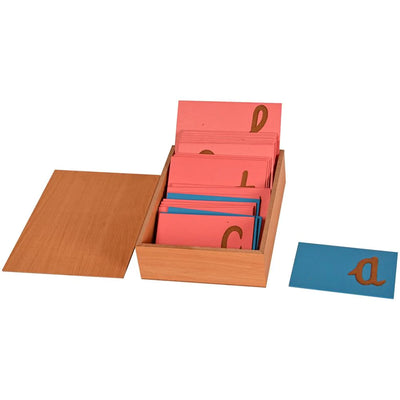
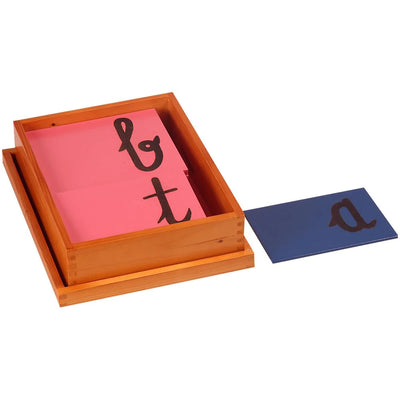
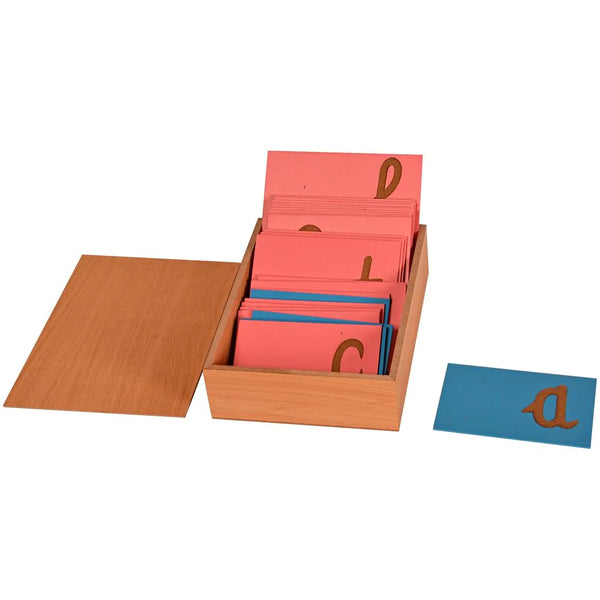
Maria Montessori's philosophy is built on the idea that children learn best by doing. For the telugu alphabet for kids, this means transforming abstract symbols into tangible experiences. Instead of simply seeing a letter on a page, a child might trace a 'అ' (a) made of sandpaper, feeling its curves and lines, while simultaneously hearing its sound.
This multi-sensory engagement, involving sight, touch, and sound, is profoundly effective for children aged 3-6 years. It's a method that helps children absorb knowledge effortlessly, making montessori telugu learning a joyful exploration rather than a chore. The child learns at their own pace, fostering independence and self-correction, which are hallmarks of the Montessori method.
Practical Steps for Learning Telugu for Preschoolers
Parents can easily integrate Montessori principles to aid learning telugu for preschoolers at home. Begin with sound recognition before letter names. For example, when you see a 'అమ్మ' (Amma - mother), emphasize the 'అ' sound, rather than just saying the letter name. This connects the sound to a meaningful word.
Introduce Telugu sandpaper letters. These tactile materials allow children to trace the letter with their fingers, linking the muscular memory of the shape to the sound. As they master individual letters, movable alphabets can be introduced, allowing them to form simple words and sentences, building their confidence in expressing themselves in Telugu. You can explore a variety of Montessori learning materials that support this process.
Choosing the Right Telugu Educational Toys
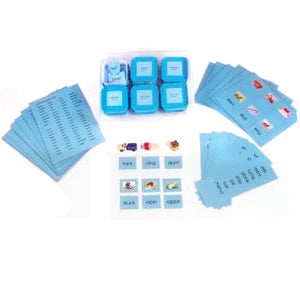
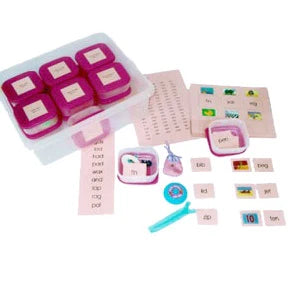
When selecting telugu educational toys, prioritize materials that are hands-on, self-correcting, and aesthetically pleasing. Wooden Telugu letter puzzles, for instance, allow children to physically place letters, enhancing fine motor skills and letter recognition simultaneously. Picture cards featuring everyday Indian objects alongside their Telugu names are also invaluable.
Look for materials that encourage independent exploration. A child-friendly bookshelf with Telugu storybooks, a small blackboard for tracing letters, or a set of Telugu alphabet blocks can all contribute to a rich learning environment. The goal is to make Telugu learning an inviting activity, seamlessly integrated into your child's daily play and exploration, much like the Montessori classroom's carefully curated spaces.
Remember, the journey of mastering Telugu letters with pictures is not a race but a joyous exploration. By embracing the Montessori philosophy, Indian parents can equip their children with strong linguistic foundations, a love for their heritage, and the confidence to thrive in school and beyond. It's about nurturing a curious mind, one sensory experience at a time.