Wooden Toys for Kids: A Montessori Path to School Readiness
For Indian parents navigating the exciting, yet often anxious, journey of preparing their little ones for preschool or LKG, the choice of playthings is paramount. Wooden toys for kids are not just charming, traditional items; child development experts universally agree they are foundational for building crucial school readiness skills, offering unparalleled tactile engagement and fostering deep concentration that digital alternatives often miss. These natural materials cultivate independent thinking and problem-solving, directly aligning with what Indian educators look for in a prepared child.
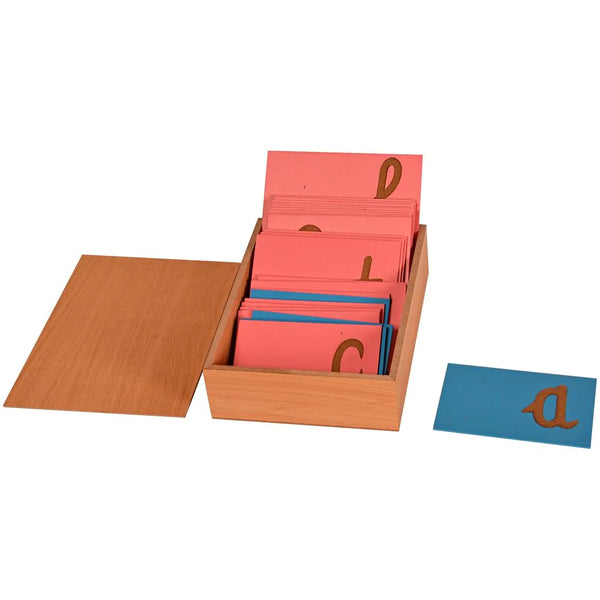
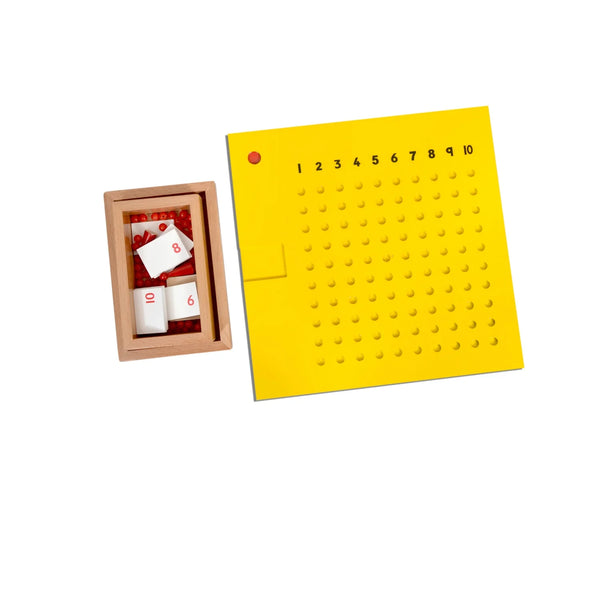
What are Montessori Wooden Toys? Montessori wooden toys are educational materials, often made from natural wood, designed to be simple, beautiful, and purposeful. They encourage self-directed learning through hands-on exploration, focusing on developing specific skills at a child's own pace.
The Unseen Power of Simplicity in Montessori Wooden Toys
In bustling Indian homes, often filled with sounds and screens, finding moments of focused calm for children is a challenge. This is precisely where the power of simple Montessori wooden toys shines. Unlike their battery-operated counterparts that dictate play with flashing lights and sounds, wooden toys invite children to imagine, explore, and create their own narratives. This active engagement is vital for developing sustained attention – a cornerstone skill for any classroom, from a Bengaluru preschool to a village Anganwadi.
Child development research consistently indicates that toys with fewer features prompt greater imagination and problem-solving. For instance, a plain set of wooden blocks can become a towering fort, a bustling market, or even a row of students in a classroom. This mental heavy lifting, often unseen, builds the cognitive pathways necessary for abstract thinking and creativity, far beyond rote memorization.
How Natural Textures Aid Sensory Development and Cognitive Growth
Remember the feel of warm wood in your hands as a child, perhaps a traditional spinning top or a Ganesha idol? The tactile experience of natural wood is invaluable for sensory development. When children like 2-year-old Anya in Mumbai grasp a smooth wooden ball or stack rough-hewn blocks, they receive rich sensory input that plastic cannot replicate. This sensory feedback strengthens neural connections, improving spatial awareness and fine-tuning their ability to distinguish textures – crucial for learning to write and recognize objects.
The American Academy of Pediatrics (AAP) emphasizes the importance of hands-on, multi-sensory play over screen time for optimal brain development in early childhood. Wooden toys naturally provide this, helping children regulate their senses and focus. This foundational sensory integration is a precursor to skills like listening in class and concentrating on detailed tasks.
Developing Fine Motor Skills for Writing and Self-Care
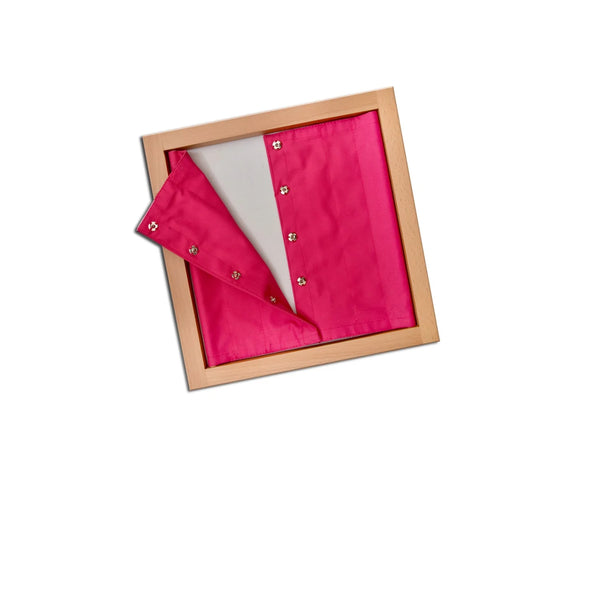
Preparing for school isn't just about ABCs and 123s; it's also about practical skills like holding a pencil, turning pages, buttoning a shirt, and managing tiffin boxes. These are all dependent on strong fine motor skills. Educational wooden toys India offers, such as pegboards, lacing beads, and nesting dolls, are specifically designed to hone these small muscle movements.
For example, 3-year-old Rohan, whose parents are keen on his LKG admission in Ahmedabad, can spend hours meticulously threading beads. This activity directly strengthens his pincer grasp and hand-eye coordination, preparing his fingers for the intricate movements of writing and self-dressing. Studies show that children with well-developed fine motor skills adapt more easily to school routines and academic demands.
Problem-Solving and Logical Thinking with Wooden Puzzles and Blocks
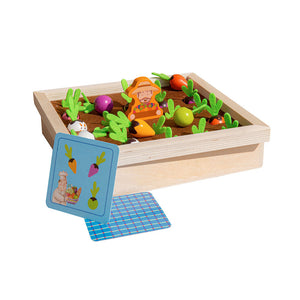
The ability to think logically and solve problems independently is a hallmark of school readiness. Wooden puzzles, ranging from simple shape sorters for toddlers to complex jigsaw puzzles for older preschoolers, provide tangible challenges that encourage critical thinking. When a child fits a piece into a wooden puzzle, they are experimenting, hypothesizing, and self-correcting – all without adult intervention.
Stacking and balancing wooden blocks, even for a short time, teaches concepts of gravity, balance, and spatial relationships. As children grow, they learn to plan structures and anticipate outcomes. This process builds resilience and a growth mindset, invaluable traits for navigating new academic concepts and social challenges in a classroom setting, be it in Jaipur's burgeoning preschool sector or a smaller town.
The Enduring Appeal and Sustainability of Natural Toys for Kids
In many Indian families, toys are often passed down, a testament to their durability and sentimental value. This aligns perfectly with the nature of high-quality natural toys for kids. Wooden toys are built to last, withstanding years of enthusiastic play, unlike many plastic alternatives that break easily or quickly lose appeal. This makes them a wise, sustainable investment for families, especially in joint family setups where toys are shared across generations.
Beyond longevity, the choice of wooden toys reflects a conscious decision towards sustainability. As parents become more aware of environmental impact, opting for renewable, biodegradable materials like wood aligns with a growing desire for eco-friendly living. This choice teaches children respect for nature, even as they play.
Choosing wooden toys for your child's early years is more than just a trend; it's a mindful investment in their holistic development and school readiness. By offering simple, tactile, and purposeful play, you equip your child with the concentration, fine motor skills, and problem-solving abilities they need to thrive in school and beyond. Encourage this enriching form of play tonight by simply observing your child engage with a wooden puzzle or building blocks, noticing their focused determination.