Early Intervention Strategies at Home: Montessori Guide (0-5 Years)
Many Indian parents are seeking effective early intervention strategies at home to support their child's sensory development, particularly in light of recent news highlighting the need for dedicated centers like the one in Vyasarpadi. These home-based approaches, deeply rooted in Montessori principles, empower parents to proactively build foundational sensory skills crucial for lifelong learning and well-being from birth to five years. Understanding how to integrate sensory activities into daily routines can make a profound difference, fostering optimal development even before potential delays are officially identified.
What is Home-Based Sensory Early Intervention?
Home-based sensory early intervention refers to purposeful activities and environmental adaptations designed to stimulate and integrate a child's sensory systems within their natural home setting. This matters because a well-integrated sensory system is foundational for cognitive function, motor skills, emotional regulation, and academic readiness. Indian parents can proactively support this by creating rich, responsive sensory experiences through play and daily routines, drawing inspiration from Montessori principles.
Research consistently shows that the first five years of life are a critical window for brain development, where sensory experiences literally shape neural pathways. A study by the Harvard Center on the Developing Child emphasizes that responsive caregiving and rich sensory environments build strong brain architecture. For children aged 0-5, every interaction is a learning opportunity, and intentional sensory input can significantly mitigate potential developmental challenges.
Understanding Your Child's Sensory World: Beyond the Five Senses
When we talk about sensory development, we often think of sight, sound, smell, taste, and touch. However, child development experts agree that two other crucial senses play a massive role: the vestibular sense (balance and movement) and the proprioceptive sense (body awareness and position). There's also interoception, which helps children understand internal body signals like hunger or pain.
A child's world is a constant influx of these sensory inputs. For a 3-year-old like Rohan in a bustling Bengaluru apartment, the cacophony of street sounds, the feel of different clothes, the taste of home-cooked meals, and the challenge of navigating small spaces all contribute to his sensory experience. The goal of sensory intervention activities at home is not to overwhelm, but to provide controlled, enriching exposures that help the brain process and organize information effectively.
Montessori for Developmental Delays: Practical Home Activities
Maria Montessori's philosophy, developed over a century ago, inherently provides a framework for addressing what we now understand as sensory processing differences. Her approach champions purposeful, hands-on learning through materials that isolate specific sensory qualities, allowing children to focus and refine their perceptions. This makes Montessori for developmental delays particularly effective, even when adapted for home use.
Consider simple activities: for tactile development, a 'sensory basket' filled with different fabrics, wooden blocks, and soft brushes can be captivating for a baby. For proprioception, encouraging a toddler to push a small, weighted cart or climb safely on cushions helps them understand their body in space. Even something as common as the traditional Indian 'malish' (oil massage) provides invaluable tactile and proprioceptive input, stimulating nerve endings and promoting body awareness – a practice deeply rooted in our culture that perfectly aligns with modern sensory needs.
Integrating Sensory Intervention Activities at Home: Daily Life & Play
Effective home-based early intervention India doesn't require a dedicated therapy room. It's about weaving sensory opportunities into everyday life. During bath time, offer different sponges or brushes. In the kitchen, let your 2-year-old, like little Ananya, help mix atta for rotis (tactile, proprioceptive) or sort different coloured pulses (visual, fine motor). Meal times can be sensory rich too; encourage exploring different food textures and temperatures.
For parents concerned about attention or motor skills, incorporating gross motor activities daily is crucial. Simple games like jumping over cushions, crawling through tunnels made from sarees, or engaging in outdoor play at the local park provide essential vestibular and proprioceptive input. For fine motor skills, encourage activities like threading beads, using tongs to pick up small objects, or drawing with crayons. These are not just play; they are building blocks for sensory integration.
Nurturing Sensory Pathways with SkilloToys Materials
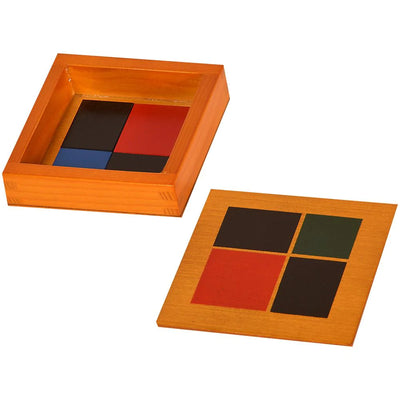
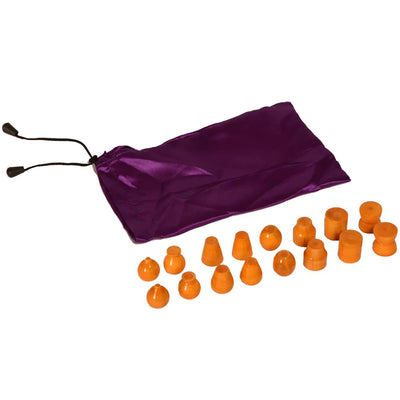
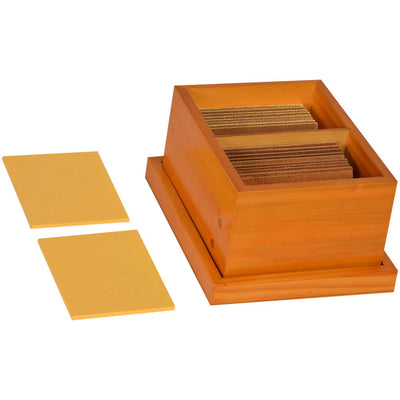
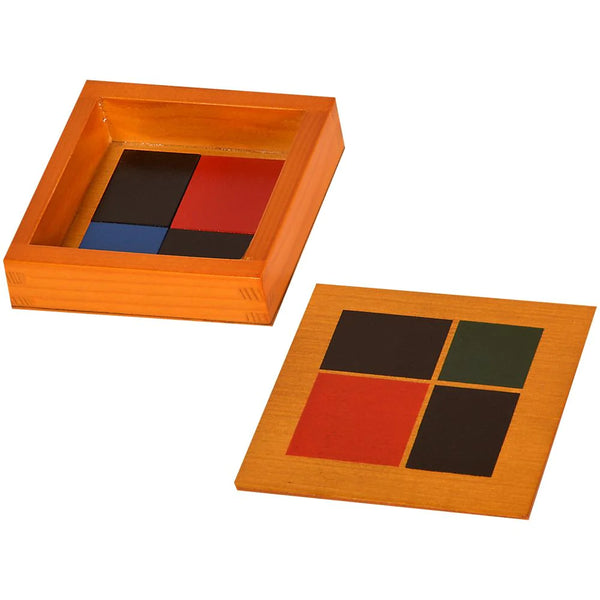
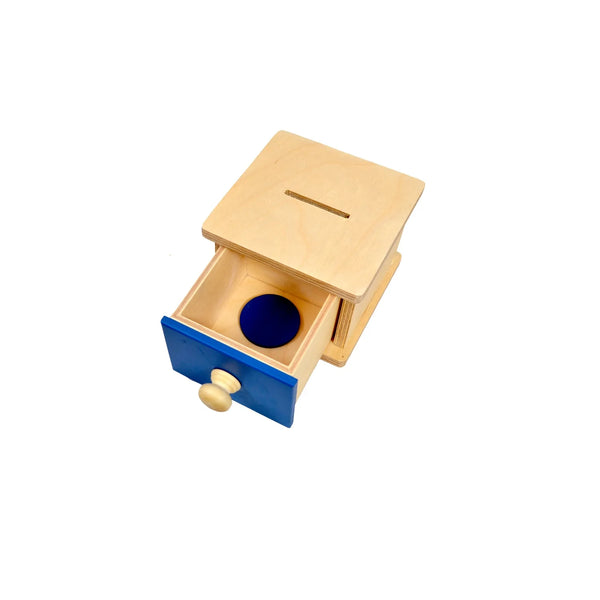
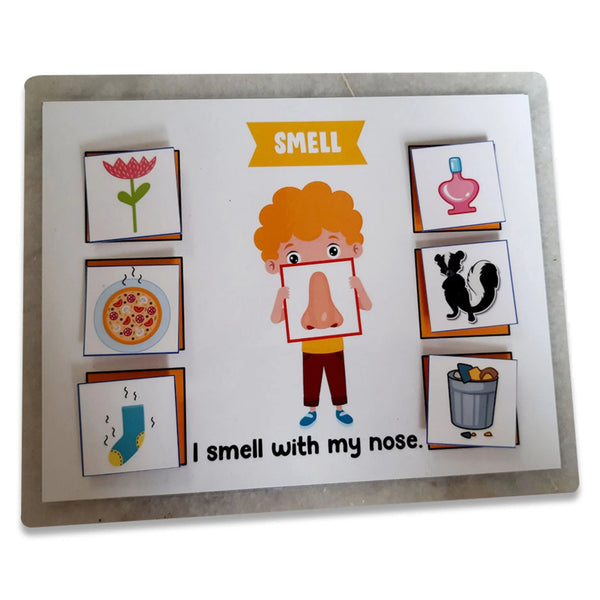
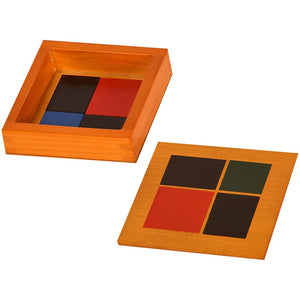
While everyday items are valuable, specially designed Montessori materials from SkilloToys can offer precise sensory exploration. Our Montessori method learning materials are crafted to isolate specific sensory qualities, promoting deeper understanding and skill development.
- Tactile Exploration: Materials like texture tablets or fabric boxes allow children to discriminate different feels.
- Visual Discrimination: The Pink Tower or Brown Stair help develop visual perception of size and dimension.
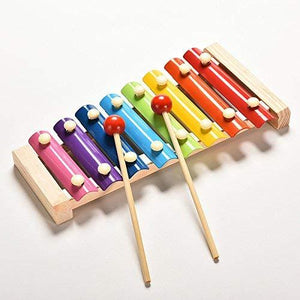
- Auditory Awareness: Sound cylinders teach children to match and grade sounds, enhancing auditory processing.
- Fine Motor Development: Activity kits involving pouring, scooping, or using tools strengthen hand muscles and coordination, crucial for tasks like writing.
These materials are designed to be self-correcting, empowering children to learn through discovery and repetition, which is key for solidifying sensory connections.
Building a Supportive Home Environment for Sensory Growth
Creating a prepared environment, as Maria Montessori advocated, is fundamental. This means a space that is orderly, inviting, and free from overwhelming clutter or excessive stimuli. For an urban Indian family, this might mean designating a specific, quiet corner for focused play, or ensuring that toys are accessible and organized so a child can choose their activity independently.
Parents play a crucial role in observing their child's responses to different sensory inputs. Does your child shy away from certain sounds or seek out rough textures? Understanding their unique sensory profile helps you tailor activities and adjust the environment. Consistent, patient, and responsive interaction, alongside these targeted strategies, builds resilience and promotes healthy sensory development, laying a strong foundation for a child's holistic growth from birth to five years.