Educational Toys & Brain: Sensory Science for 0-5 Years
Educational toys are not merely objects of amusement; they are scientifically designed instruments that meticulously target and strengthen specific sensory systems, laying a robust foundation for optimal development in children aged 0-5 years. Research from institutions like the Harvard Center on the Developing Child consistently demonstrates that early sensory experiences are paramount for brain architecture, influencing everything from motor skills to emotional regulation. For parents in Bengaluru and across India, understanding this science provides a clearer path to choosing toys that truly nurture their child's growth.
Many Indian parents, keen to give their children the best start, often seek activities that go beyond rote learning. This deeper dive into how educational toys work empowers you to make informed choices, moving beyond broad 'educational' labels to understand the specific neurological benefits.
What is Sensory Integration?
Sensory integration is the neurological process of organizing sensations from one's own body and from the environment, enabling effective interaction with the physical world. It matters because it allows the brain to make sense of incoming information, crucial for learning, movement, and behavior. Indian parents can foster this by offering diverse, open-ended play experiences.
Tactile System: The Foundation of Exploration
The tactile system, governing our sense of touch, is often the first to develop. It allows children to perceive texture, temperature, pressure, and pain, essential for safety and understanding their environment. A well-developed tactile sense enables a child to explore confidently and discriminately.
Educational toys targeting the tactile system include texture boards, fabric books with varied materials, and sensory bins filled with rice, lentils, or sand. Even playing with 'atta' (dough) in the kitchen, a common sight in Indian homes, offers rich tactile input, developing fine motor skills and sensory discrimination. Maria Montessori's original materials, like the Sandpaper Letters, are prime examples of isolating the tactile sense for focused learning.
Proprioceptive System: Understanding Body in Space
Proprioception is our 'sixth sense' – the unconscious awareness of our body's position, movement, and effort. It helps children know where their body parts are without looking, crucial for coordination, balance, and motor planning. A strong proprioceptive sense is key for everything from climbing stairs to writing.
Toys that provide deep pressure and heavy work stimulate the proprioceptive system. Think of push-and-pull toys, large Montessori educational toys like heavy blocks to stack, or even simple activities like carrying groceries. Interestingly, the traditional Indian practice of a Dadi or Nani giving a baby a full-body oil massage (malish) provides powerful proprioceptive input, which research suggests aids in self-regulation and body awareness – a practice now echoed in Western infant therapy techniques.
Vestibular System: Balance, Movement, and Focus
The vestibular system, located in the inner ear, is responsible for our sense of balance, spatial orientation, and movement. It plays a significant role in attention, eye movements, and overall coordination. Children with well-integrated vestibular systems are often more focused and less prone to motion sickness.
Swings, rocking horses, balance beams, and spinning tops are excellent sensory development toys for the vestibular system. Even simple games like twirling in the living room or playing 'hopscotch' can provide beneficial input. For children growing up in urban Indian apartments with limited outdoor space, actively seeking out safe opportunities for movement and balance becomes even more critical for brain development toys 0-5.
Visual System: Interpreting the World
The visual system involves much more than just seeing; it includes visual tracking, depth perception, visual discrimination, and spatial awareness. How a child processes visual information impacts their ability to read, write, and navigate their environment. Early stimulation helps build strong neural pathways for complex visual tasks.
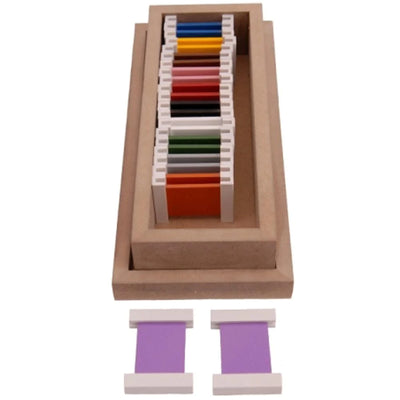
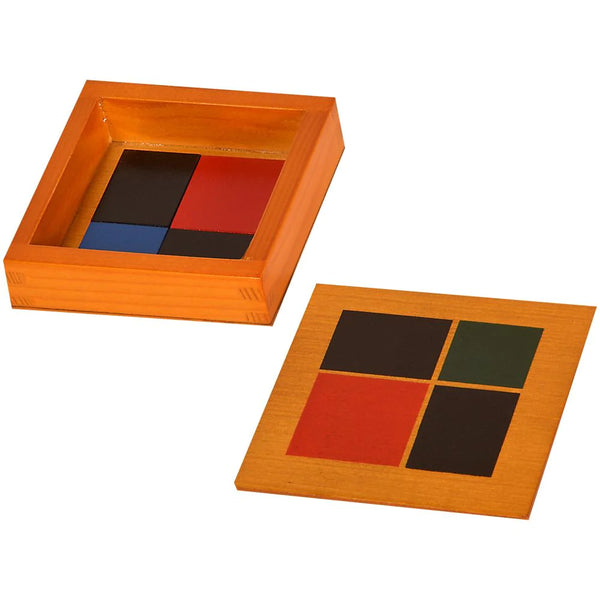
High-contrast visual cards for infants, stacking rings, shape sorters, and puzzles are all powerful brain development toys 0-5 that hone visual skills. Montessori materials like the Pink Tower, which challenges a child to visually discriminate sizes, or Color Tablets, which refine color perception, are scientific examples of how educational toys work to strengthen this system. These toys help children process visual cues effectively, crucial for later academic success.
Auditory System: Sound and Language Development
The auditory system processes sounds, helping children distinguish between different pitches, volumes, and tones. This discrimination is fundamental for language acquisition, communication, and following instructions. In multilingual Indian homes, strong auditory processing is especially vital for children to differentiate between various languages and dialects.
Sensory development toys for the auditory system include shakers, musical instruments like xylophones or drums, and sound boxes. Reading aloud, singing traditional Indian lullabies (loris), or listening to bhajans also provides rich auditory experiences. These activities not only stimulate the auditory pathways but also enhance vocabulary and rhythmic awareness, which are crucial for learning.
Bringing Science Home: A Practical Approach
The news from Safdarjung Hospital about 'Umang Vatika' letting children with disabilities play freely and safely underscores the universal importance of accessible, stimulating play environments for all children, regardless of their unique sensory needs. Similarly, UNICEF's work with frontline workers promoting Early Childhood Development in Bihar highlights the national commitment to nurturing every child's potential through foundational support.
As parents, your role is not to diagnose, but to observe. Notice how your child interacts with different textures, sounds, and movements. Does Aarav love to spin but dislike sticky hands? Does Priya hum constantly but shy away from loud music? These observations are valuable clues to their individual sensory profiles. By understanding how educational toys specifically target sensory integration toys, you can thoughtfully choose materials that address their needs and preferences.
Ultimately, the science behind play confirms what many Indian grandparents instinctively know: a child learns best through active, joyful engagement. Tonight, instead of asking 'what did you learn?', ask 'what did you explore with your senses today?' and watch their world unfold.