Educational Toys: DIY Sensory Playscapes for Indian Homes
Transforming your home into a vibrant sensory playscape using educational toys provides children aged 0-5 with essential, diverse stimuli crucial for holistic development. Research shows that a rich sensory environment strengthens neural pathways, enhancing cognitive function, motor skills, and emotional regulation from infancy. Indian parents can proactively create these engaging spaces, even in compact urban homes, fostering a foundational love for exploration and learning.
A sensory playscape is an intentionally designed environment that stimulates and integrates a child's senses through varied experiences. This matters because it directly supports brain development, allowing children to process and respond to the world effectively. Indian parents can achieve this by thoughtfully arranging existing spaces and incorporating specific educational toys that invite tactile, visual, auditory, olfactory, and even gustatory (under supervision) exploration.
Beyond Inspiration: Building a Sensory Playscape at Home
While we celebrate the joy and purposeful play offered by dedicated public spaces like the new playscape in Hyderabad or the thoughtful 'Umang Vatika' at Safdarjung Hospital for children with disabilities, the spirit of these environments can be brought right into your living room. You don't need vast open spaces to cultivate a stimulating sensory environment. The key is intentionality and understanding how readily available educational toys, combined with everyday items, can transform any corner.
Child development experts agree that early sensory experiences are paramount. From the satisfying clunk of one wooden block landing on another to the varied textures of a sensory board, every interaction builds vital connections. For instance, the simple act of a baby grasping a rattle provides auditory and proprioceptive feedback, strengthening grip and understanding cause-and-effect.
Montessori Sensory Activities: Everyday Discoveries for Toddlers
Maria Montessori's philosophy deeply values sensory education, viewing it as the gateway to intelligence. For children aged 18 months to 5 years, engaging in Montessori sensory activities at home doesn't require a dedicated classroom; it simply requires observation and the right tools. Imagine a toddler exploring a Montessori activity kit that encourages sorting, stacking, or pouring. These activities refine fine motor skills, hand-eye coordination, and problem-solving, all while providing rich sensory input.
Consider the tactile experience of sand and water play, crucial for sensory integration. Even in a small Bengaluru apartment, a shallow tray with kinetic sand or water and floating objects offers endless possibilities. Pairing this with simple tools like scoops, funnels, or small containers from your kitchen elevates the experience, allowing for exploration of weight, volume, and texture. Studies indicate that open-ended play with such materials fosters creativity more effectively than structured toys with single uses.
DIY Sensory Play Ideas: Crafting Engaging Zones
Creating a sensory playscape at home is about making every area a potential learning zone. Here's how to introduce effective DIY sensory play ideas tailored for Indian homes:
- The Kitchen 'Spice Exploration' Corner: Under supervision, let your child explore small, sealed containers of aromatic spices like cardamom, cinnamon, or cloves. The distinct smells offer powerful olfactory input. Pair this with sorting small lentils or beans (again, supervised) for fine motor practice.
- The Texture Bin: Gather different fabric scraps – a piece of silk saree, a soft cotton dupatta, rough jute, or textured wool. Let your child touch, scrunch, and identify the textures. This tactile input is invaluable.
- Sound Station: Use simple household items like steel bowls, wooden spoons, and plastic bottles filled with rice or beads to create different sounds. Combine this with musical educational toys like xylophones or shakers to explore rhythm and pitch.
- Balcony Garden Play: If you have a small balcony, designate a pot for digging in soil or planting seeds. The feel of soil, the smell of damp earth, and the visual of sprouting plants provide a rich, natural sensory experience.
Remember the traditional Indian practice of daily oil massages for babies? This isn't just a cultural ritual; it's a powerful source of tactile and proprioceptive input, stimulating the nervous system and fostering body awareness from the earliest days. Such simple, loving interactions are foundational sensory activities.
Toys for Sensory Integration & Toddler Playscape Design
When selecting toys for sensory integration, think about how they engage multiple senses. SkilloToys.com offers a range of high-quality, non-toxic educational materials perfectly suited for creating an enriching toddler playscape design. Look for items that:
- Offer Varied Textures: Wooden toys, fabric books, sandpaper letters.
- Promote Auditory Discrimination: Bells, shakers, sound cylinders.
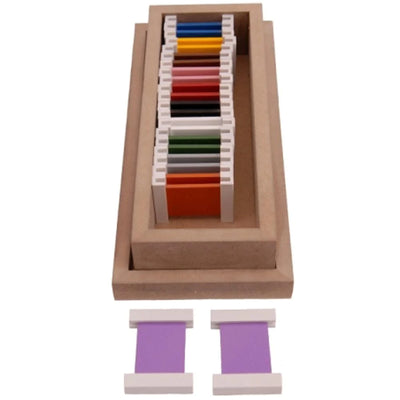
- Stimulate Visual Tracking & Perception: Colour tablets, mobiles, shape sorters.
- Encourage Olfactory & Gustatory Exploration (Safely): Scented play dough, taste-safe sensory bins (e.g., cooked pasta).
Consider investing in Montessori learning materials that encourage repetition and focus. For instance, stacking rings or nesting cups are not just for fun; they help children understand size, sequence, and spatial relationships through repeated tactile and visual feedback. These foundational experiences build the complex neural pathways needed for later academic learning.
Creating a sensory playscape at home is not about buying every fancy toy, but about thoughtfully curating experiences. Even with a bustling joint family or limited space, a designated 'sensory basket' that rotates weekly can keep young minds engaged and challenged. By embracing this DIY approach, Indian parents can empower their children with the crucial sensory foundation needed for thriving in an ever-complex world.