Homeschooling Curriculum India: Sensory Integration Tips
Integrating practical sensory activities into your homeschooling curriculum India for children aged 0-5 years is crucial for holistic development, laying the foundation for all future learning. Child development experts agree that rich sensory experiences during these formative years enhance brain development, improve motor skills, and foster emotional regulation, providing tangible benefits that Indian parents can easily implement.
Sensory integration refers to the brain's ability to take information in through our senses, organize it, and make sense of it. This matters profoundly because a well-integrated sensory system allows children to learn, play, and interact with their environment effectively. Indian parents can empower their children by purposefully creating opportunities for sensory exploration, turning everyday moments into powerful learning experiences.
Harnessing the Home: Everyday Sensory Activities for Homeschoolers India
Your Indian home is a natural sensory playground, especially in a joint family setup. Research indicates that the diverse textures, sounds, and smells within an Indian household offer a unique advantage for sensory activities for homeschoolers India. Instead of seeing the constant buzz as a distraction, consider it a rich tapestry of stimuli waiting to be explored.
For example, involve your 2-year-old in kneading atta for rotis – the squishing, stretching, and pushing provides deep proprioceptive input and tactile stimulation. Let your toddler help sort different pulses (dal, chana, rajma) by colour and size, engaging visual discrimination and fine motor skills. These simple kitchen tasks, guided by a parent or a grandparent, offer immense learning.
Consider creating a 'spice box' for your 3-year-old, with small amounts of cardamom, cinnamon, cloves, and turmeric in separate containers for smelling. This engages their olfactory sense, crucial for memory and emotional development. The act of touching different fabrics from saris, old cotton clothes, or jute rugs further enhances tactile exploration.
Montessori Homeschooling India: Purposeful Sensory Exploration
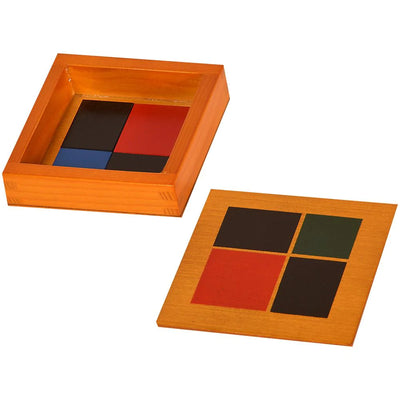
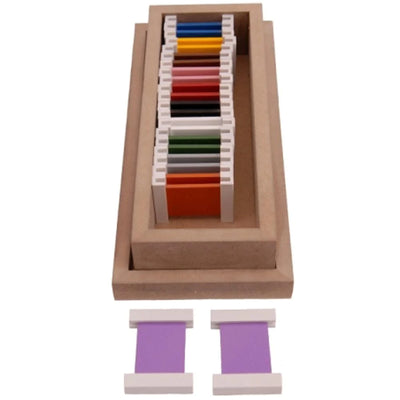
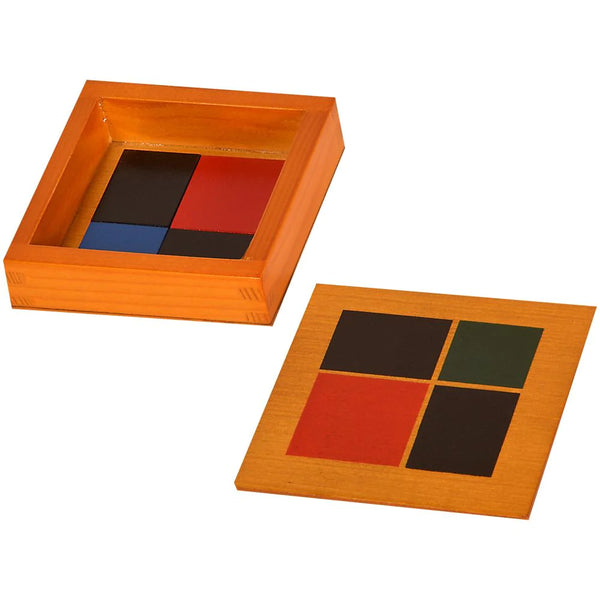
Maria Montessori's philosophy deeply emphasizes sensory education as the cornerstone of cognitive development. For Montessori homeschooling India, this means providing children with carefully designed materials that isolate sensory qualities, allowing them to focus on one attribute at a time. This approach, while often associated with specific materials, can be adapted using everyday items or quality educational toys.
For a child aged 18-24 months, a 'mystery bag' filled with common objects (a soft toy, a wooden block, a metal spoon) encourages tactile exploration without visual input. For 3-5-year-olds, incorporating Montessori-inspired learning materials like a Pink Tower or cylinder blocks refines visual perception of dimensions. These materials are not just toys; they are tools for self-correction and sensory discrimination.
The beauty of the Montessori approach for sensory integration is its emphasis on self-directed learning. A child discovers through their own interaction with the environment, rather than being explicitly taught. This fosters independence and deep understanding. Providing a tray with sand, water, or playdough, accompanied by scoops and small containers, encourages open-ended sensory play that adapts to the child's interest.
Curating Educational Toys for Homeschooling: Beyond Academics
When selecting educational toys for homeschooling, look beyond rote learning and focus on how they engage multiple senses. For a 0-1 year old, rattles, soft fabric books with different textures, and large, brightly coloured balls offer visual, auditory, and tactile stimulation. These foundational experiences build crucial neural pathways.
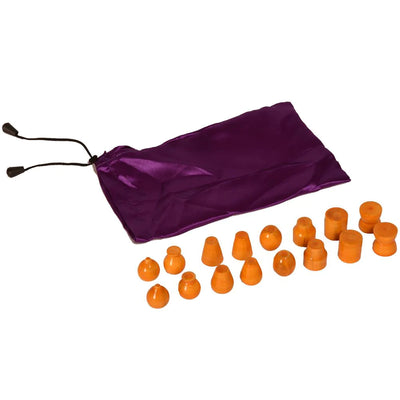
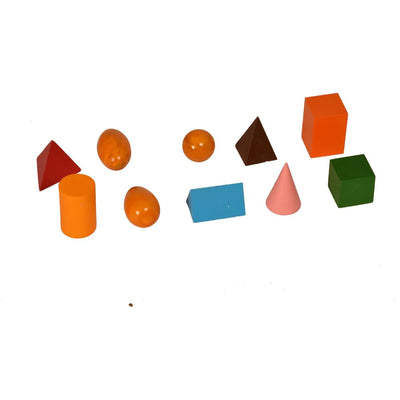
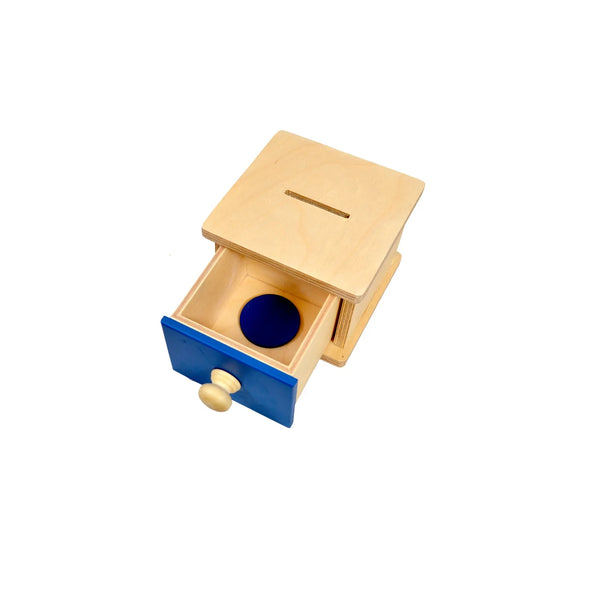
For toddlers aged 1-3 years, wooden blocks, nesting cups, and shape sorters provide excellent opportunities for developing proprioception (body awareness) and fine motor skills, alongside problem-solving. Consider activity kits that encourage hands-on exploration with diverse materials like clay, paint, or kinetic sand, which offer varied tactile input.
Child development research consistently shows that open-ended toys that allow for imaginative play are superior for sensory development than battery-operated toys that do all the work. The satisfying clunk of wooden blocks, the cool smoothness of a polished stone, or the gritty feel of kinetic sand are powerful sensory experiences that electronic toys cannot replicate.
Creating a "Quiet Corner": Balancing Stimulation with Calm
While Indian homes are vibrant, it's also important to create spaces for sensory regulation. A "quiet corner" or "calm down spot" with soft cushions, a thick rug, and a few soothing sensory items like a weighted lap pad (if appropriate for the child's age) or a textured blanket can be invaluable. This provides a safe haven for children, especially those aged 3-5, to self-regulate when feeling overstimulated, which is particularly relevant in busy environments.
Weaving Sensory Experiences into Indian Festivals and Traditions
Indian cultural practices are inherently rich in sensory experiences, offering a unique opportunity to enhance your homeschooling curriculum. For instance, preparing for Diwali can involve creating rangoli with coloured powders – a fantastic tactile and visual activity. Making sweets for Eid engages taste, smell, and the tactile experience of mixing ingredients.
Involving children in temple visits exposes them to the rich sounds of chants, the smell of incense, and the visual grandeur of deities and decorations. Even simple activities like a traditional oil massage (malish) for babies, a practice cherished by dadis and nanis, provides vital proprioceptive and tactile input, fostering body awareness and relaxation. As highlighted by initiatives like 'Umang Vatika' at Safdarjung Hospital, which provides safe, sensory-rich play for children with disabilities, structured yet free sensory play is paramount for all children's development.
The beauty of integrating sensory play into your homeschooling curriculum India lies in its simplicity and effectiveness. By observing your child and intentionally incorporating these practical tips, you can foster a nurturing and stimulating environment that supports their sensory development, laying a strong foundation for a lifetime of joyful learning and exploration.