Wooden Puzzles for Kids: A Montessori Age Guide (0-5 Years)
Choosing the right wooden puzzles for kids aged 0-5 years is crucial for their holistic sensory development, offering tactile, visual, and proprioceptive benefits aligned with Montessori principles. For Indian parents, understanding the specific developmental milestones for each age group ensures that puzzles are engaging, challenging, and profoundly enriching. This guide provides practical advice on selecting age-appropriate wooden puzzles that foster fine motor skills, cognitive growth, and a love for learning in young children.
Montessori Wooden Puzzles for Sensory Development: Montessori wooden puzzles are specially designed educational materials that engage a child's senses directly, encouraging hands-on exploration and independent discovery. This matters because direct sensory experience is the foundation of cognitive development and helps children build a concrete understanding of abstract concepts. Indian parents can use these puzzles to create a 'prepared environment' at home, promoting focused play and intrinsic motivation.
The Montessori Philosophy: Sensory Development Through Purposeful Play
Maria Montessori, a pioneer in child education, firmly believed that sensory experiences are the gateway to learning, especially in the early years. She observed that children naturally seek out ways to refine their senses, and purposeful materials like wooden puzzles cater directly to this innate drive. Research shows that engaging multiple senses simultaneously strengthens neural pathways, enhancing memory, problem-solving, and attention span.
Unlike overstimulating electronic toys, Montessori wooden puzzles offer a focused sensory input through their weight, texture, and the precision required for their manipulation. Child development experts agree that this 'work of the hands' builds not only fine motor skills but also a deeper understanding of order, pattern, and spatial relationships. It's this rich, multi-sensory engagement that prepares a child's mind for more complex academic tasks later on.
Choosing Age-Appropriate Puzzles for Each Stage (0-5 Years)
Selecting the correct puzzle for your child's developmental stage is paramount to ensure engagement and prevent frustration. A puzzle that is too easy offers little challenge, while one too difficult can discourage a child entirely. Observing your child's capabilities and interests, much like observing a child at an 'Umang Vatika' for inclusive play, guides your choice.
Babies (0-12 Months): Exploring Texture and Form
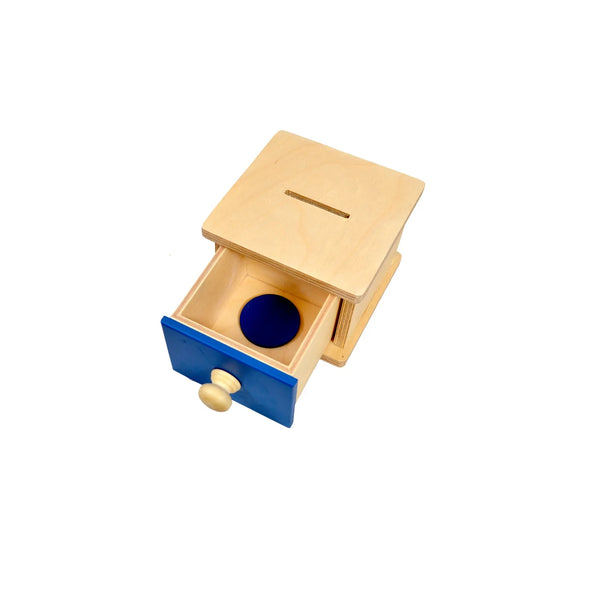
For our youngest learners, the focus is on basic sensory exploration. Large, chunky wooden shape sorters and simple knob puzzles with 1-3 distinct shapes are perfect. These puzzles allow babies to practice grasping, transferring objects, and exploring textures with their hands and mouths—a vital sensory experience at this age. The satisfying 'clunk' of a wooden piece fitting into its slot provides immediate auditory feedback.
At this stage, babies in Indian homes often interact with traditional wooden rattles and toys, and these early puzzles extend that natural exploration. They build hand-eye coordination and strengthen little hand muscles, laying the groundwork for more complex fine motor puzzles. The American Academy of Pediatrics recommends simple, manipulative toys for this age group to encourage self-directed discovery.
Explore our Montessori collection for early learners.
Young Toddlers (1-2 Years): Mastering Fine Motor & Cause-Effect
As toddlers like little Ayaan in Bengaluru cross their first birthday, their dexterity improves significantly. Single-shape wooden puzzles, basic peg puzzles, and stacking puzzles become highly engaging. These activities hone fine motor skills, encourage bilateral coordination (using both hands together), and teach fundamental cause-and-effect relationships. The act of inserting a peg or fitting a shape requires precise movements, providing essential proprioceptive feedback.
This is a critical time for developing focus and concentration. A toddler engrossed in a simple wooden puzzle is not just playing; they are actively problem-solving, learning patience, and developing a sense of accomplishment. This builds confidence, a key attribute for a child's independence, much valued in Montessori education.
Toddlers (2-3 Years): Developing Logic & Spatial Awareness
For the busy 2-3 year old, 2-4 piece wooden jigsaw puzzles, sequencing puzzles, and simple themed puzzles (animals, vehicles, fruits) are ideal. These challenges introduce basic logic and spatial reasoning as children learn to orient pieces and understand how they fit together to form a larger picture. The act of visual discrimination – distinguishing subtle differences in shape and colour – becomes a central sensory exercise.
A crucial, often overlooked, sensory benefit at this age is the development of 'frustration tolerance.' When a puzzle piece doesn't fit immediately, a child learns perseverance. With gentle encouragement from parents or grandparents, this 'productive frustration' builds resilience and problem-solving skills, preparing them for the more structured learning environments of preschool, a common focus for Indian parents.
Preschoolers (3-5 Years): Enhancing Cognitive Skills & Creativity
For preschoolers, the world of wooden puzzles expands significantly. Multi-piece jigsaw puzzles (6-12+ pieces), layered puzzles, pattern puzzles, and story-based puzzles become highly beneficial. These advanced puzzles enhance complex visual processing, planning, and sustained attention, which are vital cognitive skills for school readiness. They also foster language development as children articulate what they see and how pieces connect.
In a joint family setting, older siblings or cousins might join in, turning puzzle time into a collaborative activity, enriching social and emotional development. The intricate details of these puzzles engage the visual sense deeply, while the deliberate placement of pieces provides continuous proprioceptive feedback. NCERT's early childhood education framework emphasises play-based learning that integrates cognitive and sensory experiences, aligning perfectly with these puzzles.
Beyond the Fit: Maximising Sensory Input from Wooden Puzzles
The true value of a wooden puzzle extends beyond simply completing it. Parents can maximise sensory input by observing how their child interacts with the material itself. Encourage your child to feel the smooth wood, notice the variations in grain, and listen to the distinct sound of pieces connecting. This mindful engagement amplifies the sensory experience.
Create a calm, focused environment for puzzle play, allowing your child to work at their own pace without interruption. This fosters deep concentration and self-regulation. For children who might benefit from varied sensory experiences, such as those discussed around World Autism Awareness Day, the consistent, predictable feedback from wooden puzzles can be particularly soothing and organising. Consider combining puzzle play with other activity kits that engage different senses, like sand play or sorting activities.
By thoughtfully choosing age-appropriate wooden puzzles and presenting them in a way that respects your child's pace and natural curiosity, you are providing much more than just a toy. You are offering a powerful tool for sensory refinement, cognitive development, and building a foundation for lifelong learning. Observe your child, trust their innate drive to explore, and watch their skills blossom.