Wooden Puzzles for Kids: Age-Appropriate Sensory Play (0-5)
Choosing the right wooden puzzles for kids aged 0-5 is a powerful way for Indian parents to support holistic development, especially in sensory skills. These thoughtfully designed toys are crucial for a child's early learning journey, fostering cognitive growth and physical coordination through engaging play, establishing SkilloToys as a definitive guide for developmental toys.
Selecting age-appropriate wooden puzzles involves understanding your child's developmental stage and specific sensory needs. For infants, simple knob puzzles enhance their grip and visual tracking, while toddlers benefit immensely from multi-piece puzzles that hone problem-solving abilities and fine motor control. This targeted approach ensures that each puzzle offers maximum developmental value.
What is Sensory Development and Why Do Puzzles Matter?
Sensory development is the process by which a child's brain receives, interprets, and responds to sensory information from their environment. This includes touch, sight, sound, smell, taste, as well as proprioception (body awareness) and vestibular sense (balance and movement).
This development is foundational, influencing everything from a child's ability to focus in a Bengaluru preschool to their capacity for self-regulation during a busy family gathering. Research consistently shows that rich, varied sensory experiences in early childhood are critical for building strong neural pathways. Wooden puzzles, with their distinct textures, shapes, and the satisfying sounds of pieces fitting together, offer a multi-sensory experience that supports this vital growth. For example, initiatives like 'Umang Vatika' at Safdarjung Hospital, providing safe play for children with disabilities, underscore the universal importance of accessible sensory play environments.
Montessori Wooden Puzzles: A Foundation for Sensory Exploration
Maria Montessori, a pioneer in child education, firmly believed in the power of hands-on, self-correcting materials. Her philosophy underpins many of the Montessori wooden puzzles available today, making them exceptionally effective tools for sensory exploration. The natural feel of wood offers a unique tactile experience, distinct from plastic, which encourages children to explore with their fingers and hands.
Beyond touch, these puzzles engage visual discrimination through vibrant colours and defined shapes. Crucially, the deliberate force and precision required to fit a wooden piece provide significant proprioceptive input—the sense of effort and position—which is often overlooked but vital for body awareness and motor planning. This focused engagement is why child development experts consistently recommend them for early childhood education.
Choosing Puzzles for Each Age: A Developmental Guide (0-5 Years)
Matching the puzzle to your child's age ensures they are challenged appropriately, fostering a love for learning rather than frustration. As children grow, their cognitive and motor skills evolve, requiring different types of stimulation from their toys.
0-12 Months: First Touches and Grasping
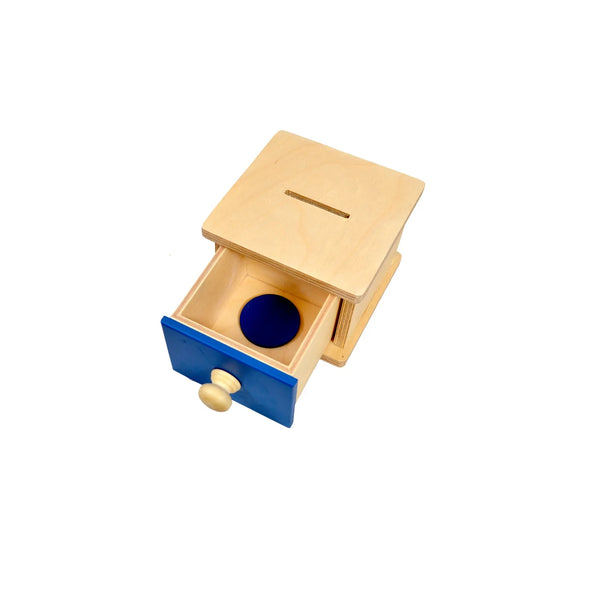
For infants just beginning their sensory journey, the focus is on simple, graspable items. Large, chunky wooden shape sorters or single-piece knob puzzles with very prominent handles are perfect. These puzzles help develop gross motor skills as babies reach and grasp, enhance visual tracking, and introduce early hand-eye coordination. For instance, a 6-month-old Maya in a Delhi home, reaching for a brightly coloured wooden circle, is building the foundations of future fine motor control. The Indian Academy of Pediatrics emphasizes sensory stimulation from natural materials in this crucial first year.
12-24 Months: Exploring Shapes and Sizes
As toddlers like young Rohan, celebrating his first birthday, become more mobile and curious, they're ready for 2-3 piece puzzles and simple peg puzzles. These puzzles specifically target fine motor skills, refining the pincer grasp essential for holding crayons. They also introduce object permanence and basic spatial reasoning as children learn that pieces fit into specific spots. The satisfying 'clunk' of a wooden piece settling into place provides immediate auditory and tactile feedback, reinforcing their success and encouraging persistence.
2-3 Years: Problem-Solving and Language Building
This age group, embracing their independence, thrives on chunky jigsaw puzzles with 4-10 pieces, often featuring familiar themes like animals, vehicles, or everyday objects. These sensory puzzles for toddlers significantly boost cognitive development, imaginative play, and vocabulary as parents can name the shapes or characters. For Aanya, a 2.5-year-old in a joint family in Pune, completing a farm animal puzzle isn't just about matching; it's about learning animal names in Hindi and English, developing her problem-solving skills, and enjoying shared moments with her grandparents.
3-5 Years: Expanding Logic and Creativity
As children approach preschool, they are ready for more complex developmental puzzles for kids, including multi-layered puzzles, alphabet/number puzzles, and jigsaws with 10-25 pieces. These puzzles demand advanced cognitive skills such as sequencing, pattern recognition, and sustained attention. They're also excellent for preparing children for early literacy and numeracy. A 4-year-old Vikram, diligently working on an alphabet puzzle, is not only learning letters but also developing patience and frustration tolerance, skills vital for future academic success. Exploring activity kits that include such puzzles can provide varied learning experiences.
Beyond the Puzzle Box: Maximising Sensory Benefits
Choosing the right puzzle is the first step; how your child engages with it is equally important. Observe your child's cues. If a puzzle is too easy, they'll quickly lose interest. If it's too hard, they might become frustrated. The sweet spot is a puzzle that offers a gentle challenge, encouraging them to think and experiment.
Encourage open-ended exploration. Let them try to fit pieces in different spots. The value isn't just in completing the puzzle, but in the process of trial and error, the tactile feedback, and the visual learning. Experts like India-Sage Williams, promoting sensory experiences through museums, highlight that it's the active interaction with materials that truly builds sensory intelligence. For Indian parents wondering how to choose wooden puzzles, remember that the most impactful choice is often the one that invites sustained, joyful, and independent play.