Wooden Puzzles for Kids: Boosting Sensory Growth 0-5 Years
When we talk about toys for our little ones, the simple yet profound impact of wooden puzzles for kids often goes underestimated, especially for children aged 0-5 years. These natural playthings significantly boost sensory development by engaging multiple senses—touch, sight, and even hearing—through their natural textures, varying shapes, and satisfying resistance. Research shows that early sensory engagement is fundamental for building critical cognitive pathways and spatial awareness, making wooden puzzles a cornerstone of Montessori-aligned learning.
What are Wooden Puzzles for Sensory Development?
Wooden puzzles are educational toys crafted from natural wood, designed with interlocking or fitting pieces that children manipulate to complete an image or shape. This matters because they offer rich, multi-sensory experiences crucial for brain development and skill acquisition. Indian parents can use these simple yet profound tools to foster independent exploration and problem-solving from an early age.
The Tangible Advantage: Why Montessori Wooden Puzzles Stand Out
Child development experts agree that the material a child interacts with profoundly impacts their learning. Montessori wooden puzzles, in particular, stand out because of their inherent qualities. Unlike plastic alternatives, wood offers a unique tactile experience—it's warm, has varying grains, and possesses a satisfying weight, providing crucial proprioceptive input.
When a child picks up a wooden piece, they feel its heft, the subtle grain under their fingertips, and the solid resistance as they try to fit it into place. This constant feedback to their muscles and joints helps them understand their body's position in space and the properties of objects, a foundational aspect of sensory processing that Maria Montessori herself championed.
Age-Wise Sensory Engagement: Wooden Puzzles for Every Stage (0-5 Years)
Choosing the right puzzle for your child's age is key to maximising its sensory benefits. Each stage, from infancy to preschool, presents unique developmental opportunities.
0-18 Months: Early Tactile Exploration with Knob Puzzles
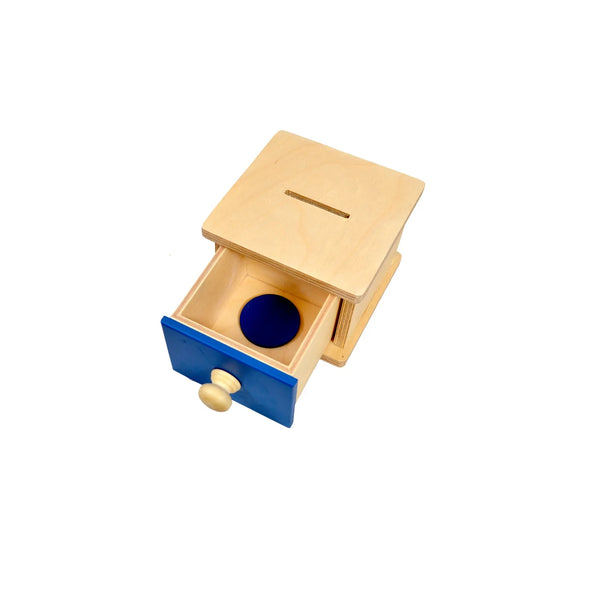
For our littlest learners, around 6-12 months, simple knob puzzles are perfect. Imagine little Anya in Bengaluru, sitting on her grandmoms lap, grasping a wooden knob. The act of pinching the knob, lifting the piece, and attempting to put it back develops her pincer grip and hand-eye coordination.
These early tactile puzzles for kids stimulate the sense of touch intensely. The smooth, cool wood against their skin, the effort to pull it out, and the feeling of the shape's contours are all rich sensory experiences building foundational motor skills.
18-36 Months: Shape Sorters and Peg Puzzles for Fine Motor Skills
As toddlers like young Rohan in Chennai approach 18-36 months, their desire for purposeful action grows. Shape sorters and peg puzzles become their next challenge, directly enhancing puzzles for fine motor skills 0-5 years. They learn to differentiate between a square and a circle, visually and by touch, and strategise how to orient a piece to fit.
The repeated action of trying, failing, and succeeding reinforces learning pathways. Just as initiatives like 'Umang Vatika' at Safdarjung Hospital champion safe, accessible play for all children, simple wooden puzzles offer a universally beneficial platform, providing structured yet open-ended engagement for diverse developmental needs. These sensory puzzles for toddlers are not just about fitting shapes; they're about problem-solving through sensory input.
3-5 Years: Jigsaw Puzzles and Layer Puzzles for Cognitive & Visual Sensory Input
For preschoolers aged 3-5, multi-piece jigsaw and layer puzzles introduce more complex challenges. Picture young Diya in a joint family in Pune, patiently assembling a 20-piece puzzle depicting a local festival scene. This activity refines visual discrimination, spatial reasoning, and memory.
The child learns to scan, identify patterns, and understand part-to-whole relationships. This cognitive workout, combined with the tactile manipulation of pieces, is crucial for developing concentration and perseverance—skills vital as they prepare for school.
Beyond Sight: How Wooden Puzzles Engage Multiple Senses
The benefits of wooden puzzles for development extend far beyond visual and fine motor skills. Consider the auditory input: the satisfying 'clunk' when a wooden piece drops perfectly into place, or the soft 'scrape' as a child tries to wedge a piece incorrectly. These sounds offer auditory feedback, linking action to outcome.
Furthermore, the resistance a child feels when a puzzle piece doesn't fit immediately provides critical proprioceptive feedback. It teaches them about force, pressure, and spatial relationships. This struggle, often seen as a challenge, is actually a vital learning experience, promoting resilience and self-correction that electronic toys, with their instant gratification, often fail to deliver. The natural, subtle scent of wood can even engage the olfactory sense, grounding the play experience further.
Choosing wooden puzzles for your child means investing in a holistic developmental tool that nurtures their senses, sharpens their minds, and prepares them for the world. It's about offering them a tangible, natural way to explore, learn, and grow, one piece at a time.
Explore our wide range of Montessori learning materials and toys, including various activity kits, designed to foster your child's sensory and cognitive development.