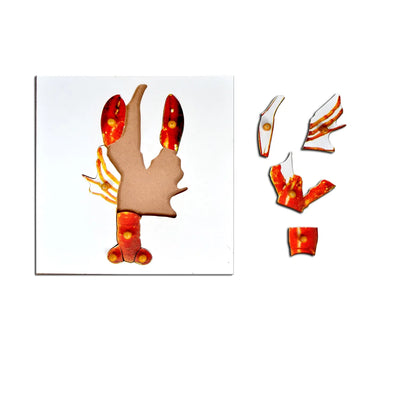
Dive into Learning: Why the Montessori Lobster Puzzle is a Must-Have for Young Explorers
As parents, we're always looking for toys that do more than just entertain. We want tools that spark curiosity, build foundational skills, and grow with our children. In the vibrant landscape of early childhood development, Montessori learning toys stand out for their thoughtful design and impactful benefits.
Today, let's explore a fascinating example: the Montessori Wooden Pegged Learning Board - Lobster. This isn't just a charming wooden puzzle; it's a gateway to crucial developmental milestones for your little one.
What Makes a Montessori Pegged Puzzle So Special for Toddlers?
Montessori education emphasizes hands-on, self-directed activity, and toys like this lobster board perfectly embody that philosophy. Children learn by doing, and the simple act of manipulating pegged pieces offers a wealth of learning opportunities.
Unlike passive toys, pegged puzzles engage children actively, encouraging concentration and problem-solving. They are considered some of the best toys for toddlers and preschoolers because they cater to their natural drive to explore and master tasks independently.
Skills Galore: What Will Your Child Learn with the Lobster Board?
This beautifully crafted wooden puzzle targets several key areas of early development, making it a truly educational wooden toy for children aged 3 to 10 years.
Building Little Hands: Fine Motor & Pencil Grip
The small wooden pegs are specifically designed to encourage a three-finger grasp, mimicking the natural grip used for holding a pencil. This practice is invaluable for strengthening the muscles needed for future writing skills.
As your child carefully lifts and places each lobster piece, they're also honing their hand-eye coordination. This precision work is fundamental for everyday tasks, from buttoning shirts to drawing.
Sharpening Young Minds: Problem-Solving & Logic
Initially, children will work to fit the pieces back into their correct slots, developing spatial awareness and logical thinking. They learn to recognise shapes, patterns, and how parts come together to form a whole.
This early exposure to problem-solving skills builds confidence and resilience. Each successful placement is a small victory, motivating them to continue exploring and learning.
More Than Just a Game: Language & Cognitive Growth
Beyond the physical act of puzzling, this board offers rich opportunities for language development. Parents can introduce the names of the lobster's body parts, discuss where lobsters live, and even create stories about sea creatures.
This interactive play expands vocabulary and general knowledge, fostering early development skills that support cognitive growth. It turns a simple puzzle into a comprehensive learning experience.
How to Maximize Playtime with Your Montessori Lobster Puzzle
To get the most out of this engaging toy, consider these tips:
- Initial Exploration: Let your child freely explore the pieces. They might just enjoy removing and putting them back randomly at first.
- Guided Play: As they become more familiar, guide them to look at the shapes and profiles of the pieces to fit them correctly.
- Introduce Language: Once they can solve the puzzle, start naming each part of the lobster's body. Ask questions like, "Where does the claw go?" or "What colour is this part?"
- Storytelling: Use the lobster as a character in a short story to make learning even more imaginative and fun.
This approach ensures a do-and-learn method, empowering children to discover at their own pace.
This delightful Montessori wooden puzzle offers a beautiful blend of education and fun, nurturing essential skills from fine motor development to early language acquisition. We at SkilloToys believe in providing high-quality, engaging toys that contribute positively to your child's growth. Explore more such enriching Montessori toys and educational resources for children of all ages at SkilloToys.com.