Hands-On Alphabet Learning: How Sandpaper Letters Prepare Kids for Reading
Teaching a child the alphabet can sometimes feel like a repetitive chore, both for you and your little one. But what if there was a way to make it an exciting, tactile adventure? For parents in India seeking the best toys for toddlers and young children that truly make a difference, the answer lies in a classic Montessori tool: sandpaper letters.
The Multi-Sensory Magic Behind Learning
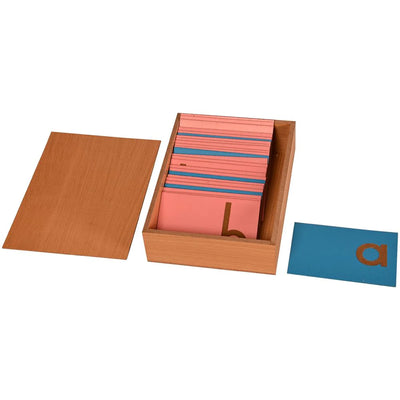
Imagine your child not just seeing the letter 'a', but feeling its gentle curve and hearing its sound all at once. That's the power of the English Sandpaper Letters Print. Each letter is crafted with a unique sandpaper texture on a smooth wooden board, transforming abstract symbols into a tangible experience.
This multi-sensory approach is a game-changer for early literacy. By engaging touch, sight, and sound simultaneously, children form stronger neurological connections. It's not just rote memorization; it's a deep, embodied understanding of each letter's form and sound, crucial for early development skills.
Why These Sandpaper Letters Are Perfect for Indian Learners
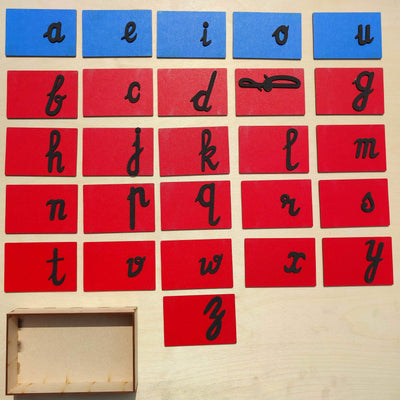
For Indian parents focused on foundational learning, this set is a thoughtful choice. It features the complete print lowercase English alphabet, which aligns perfectly with most school textbooks in India. This familiarity eases the transition into formal education, making it a valuable addition to any home learning environment.
The letters also adhere to the standard Montessori language colour code: pink boards for consonants and blue for vowels. This subtle yet effective visual cue helps children implicitly understand the building blocks of words, preparing them beautifully for phonics-based reading approaches and subsequent reading kits.
A Parent's Guide: Using Them Effectively at Home
How to Introduce the Letters
Start by introducing just a few letters at a time, perhaps focusing on the initial sounds of familiar words. Hold the board, say the letter's phonetic sound (e.g., "/m/ for mmmango"), and then guide your child's two fingers to trace the letter's shape in the correct direction. The left-side hand hold on each board ensures the tracing hand is free.
Making Practice Playful
Instead of drills, turn learning into a game. Ask your child to find the letter that starts with a certain sound, or to trace letters that spell out simple words. Consistency is key, but so is keeping it light and fun. Remember, this is about fostering a love for learning, not just memorizing the alphabet.
Beyond Letters: Skills Your Child Will Build
These educational wooden toys offer more than just alphabet recognition. As your child traces each letter, they are also developing vital skills:
- Fine Motor Skills: The precise finger movements required for tracing strengthen small hand muscles, crucial for eventual handwriting.
- Pre-Writing Skills: Learning the correct formation through touch sets a solid foundation for pencil grip and legible writing.
- Language Development: Linking sound to form enhances phonetic awareness and vocabulary.
- Concentration & Focus: The engaging, hands-on nature helps children sustain attention during learning activities.
- Cognitive Development: Understanding the difference between vowels and consonants through the colour code builds early linguistic logic.
Choosing a toy that stimulates multiple senses and supports fundamental skills is a powerful investment in your child's future. The English Sandpaper Letters Print are a testament to how simple, well-designed tools can unlock a world of learning.
Explore the wonders of multi-sensory learning with this essential Montessori toy from SkilloToys. Dive deeper into our collection of educational wooden toys designed to ignite curiosity and foster growth in every child. Visit SkilloToys.com to discover more.