Nurturing Curiosity: Crab Anatomy for Young Learners
As parents, we're constantly looking for innovative ways to spark curiosity and learning in our children. What if you could introduce them to the wonders of the ocean and the intricacies of animal anatomy, all while building their language and cognitive skills? It's easier than you think!
Nurturing Young Minds with Classical Montessori Learning
Children are natural explorers, eager to understand the world around them. The Montessori method excels at tapping into this innate curiosity, offering concrete tools that make abstract concepts tangible. One such powerful tool is the classical 3-part nomenclature card system.
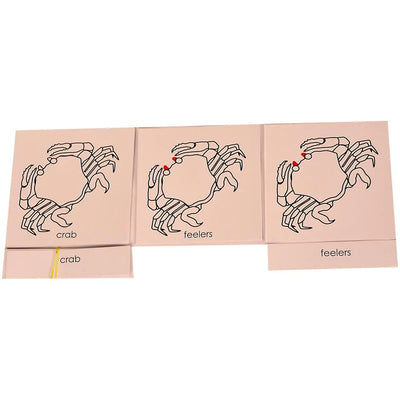
Imagine your child learning the names of a crab's carapace, abdomen, and antennae not just by hearing them, but by seeing, touching, and matching. This hands-on, self-correcting approach makes learning memorable and deeply engaging.
Introducing the Montessori Nomenclature Learning Cards - Crab
These specially designed cards focus on the detailed anatomy of a crab, presenting 10 distinct parts through a set of 30 durable MDF board cards. They are a fantastic example of Montessori learning toys that support early development skills for children aged 3-10 years.
It's more than just memorizing; it's about connecting words with real-world visuals, building a robust vocabulary, and fostering an early appreciation for biology and marine life.
What Skills Do These Crab Nomenclature Cards Develop?
-
Language Development: Children learn precise scientific terms, enriching their vocabulary and improving pronunciation. The visual association strengthens word recognition.
-
Cognitive Skills: Matching the picture-only, name-only, and control cards enhances logical thinking, classification abilities, and memory retention. It's a wonderful exercise in problem-solving.
-
Observational Skills: Focusing on specific parts of the crab encourages detailed observation, helping children notice nuances and differentiate between similar features.
-
Concentration & Independence: The self-correcting nature of 3-part cards allows children to work independently, boosting their concentration span and fostering a sense of accomplishment.
How Can Parents Use Them at Home for Maximum Impact?
Integrating these educational wooden toys into your daily routine is simple. Start by introducing just a few parts at a time, naming each clearly. Once your child is familiar, lay out the picture cards and name cards separately, inviting them to match.
As they grow more confident, use the control cards for self-correction. Extend the learning by looking for crabs in books or videos, or even discussing real crabs during a family trip to the beach! This makes learning truly come alive.
Building a Lifelong Love for Learning and Nature
In the vibrant tapestry of Indian childhood, introducing children to nature early on is a beautiful gift. These nomenclature cards are not just about learning crab parts; they are about instilling a sense of wonder and respect for the natural world.
They provide a solid foundation for future science education, turning complex biological concepts into an accessible and enjoyable learning adventure. It's an investment in your child's holistic development, paving the way for curious, articulate, and knowledgeable young minds.
For parents seeking high-quality Montessori flashcards that blend educational value with engaging play, these Crab Nomenclature Learning Cards are a perfect choice. Explore more such thoughtfully curated educational wooden toys and learning resources designed to nurture your child's growth at SkilloToys.com.