The Magic of Little Letters: Why Lowercase Alphabet Puzzles are Essential for Early Readers
As parents, we all dream of seeing our children thrive, especially when it comes to early learning. The journey into literacy is a foundational step, and often, we start with uppercase letters. But did you know that most of what children read in books, signs, and everyday text is actually in lowercase?
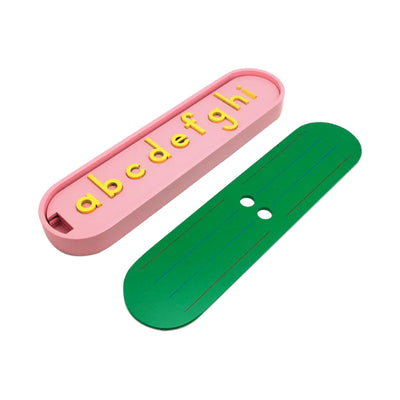
That's where thoughtful tools like the Alphabet Puzzle Tray Lower Case Wooden Toy come into play. This isn't just a toy; it's a doorway to discovery, designed to introduce your toddler to the building blocks of language in a hands-on, engaging way.
Why Focusing on Lowercase Letters is Smart for Early Literacy
While uppercase letters are striking, lowercase letters are the real workhorses of written language. Introducing them early helps children recognize words in their most common form, bridging the gap between learning letters and actual reading.
This early exposure is crucial for developing strong visual discrimination skills. It helps children identify the subtle differences that distinguish one letter from another, which is a key component of effective reading and writing.
What Skills Does This Educational Wooden Toy Develop?
More than just learning 'a' through 'z', this puzzle nurtures a wide array of early development skills essential for preschoolers.
Fine Motor Skills & Hand-Eye Coordination
Each small, perfectly sized wooden letter invites little fingers to grasp, lift, and place. This repetitive action is excellent for strengthening hand muscles and refining the pincer grip, which are foundational for writing later on. It's a wonderful way to boost fine motor skills in a playful context.
Early Language & Literacy Foundations
Children learn the sequence of alphabets by placing them in order. This Montessori-inspired approach helps with letter recognition and sets the stage for phonics. They begin to understand that letters combine to form words, sparking curiosity about language and communication.
Problem-Solving & Cognitive Development
Matching the unique shape of each letter to its correct slot challenges your child's brain. This involves spatial reasoning, pattern recognition, and problem-solving. Each successful placement provides a sense of accomplishment, encouraging continued exploration.
How Can Parents Use This Alphabet Puzzle at Home?
Integrating this Montessori learning toy into your daily routine is simple and rewarding. Here are a few ideas to make learning fun:
Interactive Letter Play
Start by simply naming each letter as your child takes it out or puts it back. You can also make the sound each letter makes (e.g., 'a' for apple, 'b' for ball). Ask them to find specific letters, turning it into a fun game of 'I Spy'.
Building First Words
Once your child is comfortable with individual letters, introduce simple three-letter words like 'cat', 'dog', or 'sun'. Guide them to find the letters and place them side-by-side on the tray or a flat surface. This lays a fantastic groundwork for educational wooden toys focused on word formation.
Storytelling & Imagination
Use the letters to start a story. Pick a letter, say 't', and ask your child to think of something that starts with 't' – perhaps 'tiger'. Then, use the next letter to continue the story. This combines language development with imaginative play, making it one of the best toys for toddlers for holistic growth.
Ready to nurture your child's budding language skills? This beautiful alphabet puzzle tray is just one of many thoughtfully designed educational wooden toys waiting to inspire your little one's journey. Discover a world of engaging and enriching learning tools at SkilloToys.com.