Early Detection: India's Innovation in Toddler Delays
New Indian innovations are transforming early detection of child developmental delays in toddlers (1-3 years) by offering accessible, technology-driven screening tools that empower parents and caregivers to monitor developmental milestones proactively. This approach, exemplified by platforms like Deep Connection, helps identify potential delays by age 1.5, allowing for timely intervention and support, integrating well with proactive parenting.
Concerns about a toddler's development are common among parents, especially in a bustling city like Bengaluru where every parent wants the best for their child. From a 2-year-old in a joint family who isn't speaking as much as their older cousin, to a 1.5-year-old in a nuclear family struggling with gross motor skills, these worries are real and often discussed among friends and grandparents.
Understanding Toddler Developmental Screening in India
Toddler developmental screening is the process of regularly checking a child's developmental progress in areas like communication, motor skills, problem-solving, and social-emotional growth. This matters because early identification significantly improves outcomes for children facing delays, enabling focused support. Indian parents can use available tools and expert guidance to track their child's unique journey.
The importance of this screening cannot be overstated. Globally, it is estimated that 1 in 6 children experience a developmental delay, underscoring the critical need for timely intervention. The Indian Academy of Pediatrics (IAP) consistently advocates for regular developmental assessments as part of routine childcare, recognizing that early years are foundational for future learning and well-being.
The Rise of Child Development Apps in India for Early Detection
The recent news about 'India's Deep Connection raising $110K seed funding to detect child developmental delays by age 1.5' highlights a significant stride in making early detection accessible. These types of child development apps in India are a game-changer for parents who might otherwise struggle to access specialists or even know what signs to look for.
These innovative apps often provide comprehensive questionnaires, interactive checklists, and sometimes even AI-powered analysis of a child's movements or vocalizations. For a parent juggling household responsibilities or working professionals in metros, such tools offer convenience and peace of mind, allowing them to track progress from their smartphone, whether at home or during a commute.
Bridging Gaps: Toddler Developmental Screening India at Home
Imagine a scenario where a grandmother notices her grandson, Raghav, a 2-year-old from Pune, isn't responding to his name consistently. In a traditional setup, this might lead to delayed medical visits. With an app, his parents can input observations, compare them against age-appropriate milestones, and receive an initial assessment. This empowers them to take informed action much sooner.
These apps don't replace professional medical advice but act as powerful screening tools, guiding parents on when to seek expert help. They democratize access to information and preliminary assessments, reaching families in remote villages as effectively as those in bustling cities like Chennai or Delhi. This proactive approach ensures that precious early months are not lost.
Montessori Early Intervention India: A Proactive Approach
Once a potential concern is identified through screening, whether via an app or a pediatrician's visit, what next? This is where established educational philosophies like Montessori become invaluable for Montessori early intervention in India. Montessori emphasizes observation, a prepared environment, and child-led learning, which are ideal for addressing developmental needs.
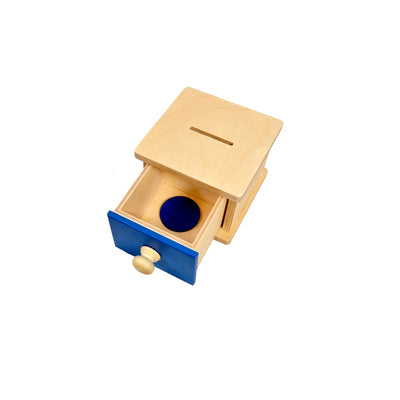
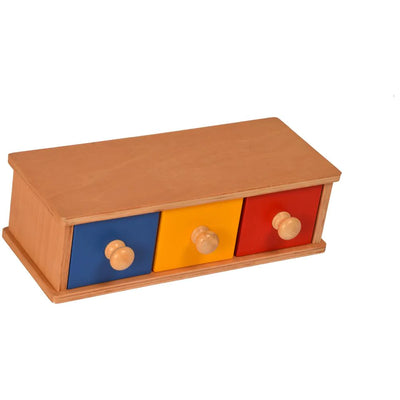
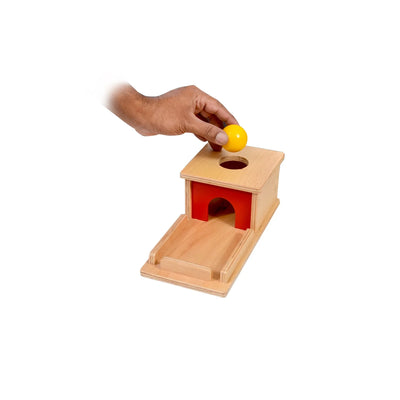
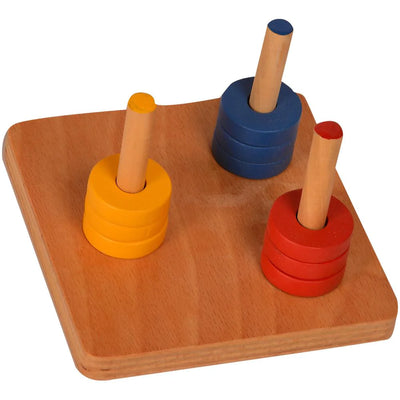
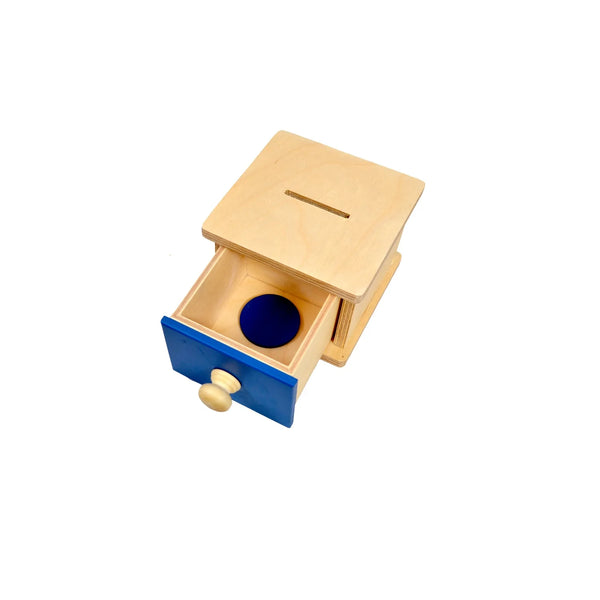
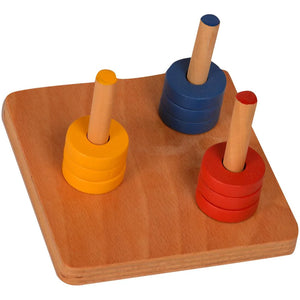
For instance, if a toddler shows signs of fine motor delay, engaging them with Montessori Montessori Method Learning Materials like knobbed cylinders, geometric puzzles, or practical life activities such as pouring and spooning, can provide targeted, engaging practice. These activities are designed to isolate skills, allowing the child to develop concentration and coordination at their own pace.
Support for Developmental Delays India: Community and Resources
Beyond innovative apps and educational approaches, a strong support system is crucial. The Union Minister Smt. Annpurna Devi chairing review meetings of Ministry of Women and Child Development schemes underscores the government's commitment to child welfare. These schemes, along with local anganwadis and community health workers, form a vital network of support for families across India.
The American Academy of Pediatrics recommends a multi-disciplinary approach for children with developmental delays, integrating medical, educational, and family support. This means collaborating with pediatricians, therapists (occupational, speech, physical), and special educators. SkilloToys believes in empowering parents with knowledge and resources, including high-quality educational toys that support holistic development.
Early detection using technology isn't just about identifying challenges; it's about empowering parents to become active partners in their child's developmental journey. This fosters a deeper, informed connection that often reinforces traditional Indian parenting wisdom with modern scientific understanding, creating a unique and powerful support system for toddlers.
If you have any concerns about your child's development, remember that you are not alone. Leverage these new Indian innovations, consult with trusted medical professionals, and explore resources like Montessori-aligned toys to provide a stimulating and supportive environment for your child's unique growth journey. Your proactive engagement makes all the difference.