Early Investment Child Development India: Montessori Blueprint
The recent headlines from The Hindu, 'Early investment in children, the key to India's future,' resonate deeply with every parent. This national imperative for early investment child development India isn't just a policy statement; it's a direct call to action for families raising toddlers today. For parents navigating the energetic, curious years of 1 to 3, understanding how their daily choices contribute to this larger vision is paramount.
Early investment in child development is the strategic allocation of resources — time, attention, and appropriate tools — during a child's most formative years to support their holistic growth. This matters because the brain develops at its fastest rate from birth to three, forming critical neural pathways for future learning, behavior, and well-being. Indian parents can actively engage in this by fostering stimulating home environments and choosing educational approaches that honor their child's natural development.
Why Early Investment Child Development India Matters More Than Ever
The spotlight on early childhood development in India is brighter than ever, fueled by global discussions at forums like the BRICS Child Futures Forum and reinforced by parliamentary reports. These high-level conversations underscore a clear consensus: the strength of India's future — its workforce, innovation, and societal harmony — hinges on the foundational skills nurtured in its youngest citizens. As Union Minister Annpurna Devi reviews women and child development schemes, it's clear that governmental and non-governmental bodies are recognizing the profound impact of these early years.
This isn't merely about academic readiness. Child development experts agree that a robust early childhood investment builds resilience, problem-solving abilities, and emotional intelligence — qualities far more valuable than rote memorization in a rapidly changing world. For a 2-year-old in a bustling Bangalore joint family, learning to share toys or patiently put away their blocks isn't just good manners; it's developing crucial social-emotional and executive function skills that will serve them through school, college, and career.
The Montessori Blueprint: Nurturing Toddler Foundational Skills (1-3 Years)
So, how does a parent translate this national vision into daily practice for their 1 to 3-year-old? This is where the Montessori blueprint offers a clear, practical path. Maria Montessori observed that children in this age group are driven by an innate desire for independence and a profound capacity for absorption — a 'absorbent mind' that soaks up everything from their environment.
A Montessori approach creates a 'prepared environment' at home, allowing the child freedom within limits to explore and learn. For a toddler, this means child-sized furniture, accessible materials, and opportunities for self-care. Imagine a 1-year-old learning to put away their blocks in a designated basket, or a 2-year-old pouring water from a small jug. These seemingly simple tasks are foundational, fostering concentration, coordination, and a sense of accomplishment.
Non-Obvious Insight: While often perceived as a 'school' method, Montessori's core principles — observation, prepared environments, and fostering independence — actually resonate deeply with the intuitive wisdom found in many Indian joint families. The Dadi or Nani who patiently teaches a child to fold their clothes or sort pulses is, in essence, providing a practical life activity that builds executive function and self-reliance, skills more vital than early academic pressure for India's future.
Practical Steps for Parents: Making This Investment at Home
Implementing Montessori principles for toddler foundational skills doesn't require overhauling your home. Start small, focusing on areas relevant to your child's daily life:
- Language-Rich Environment: Talk, read, and sing with your child constantly. Point to objects and name them. Encourage grandparents to share stories in their mother tongue, enriching your child's multilingual abilities. This is key for child development importance India, where many households are multilingual.
- Practical Life Activities: Involve your toddler in simple household chores. Let them help wipe spills, put away their own plates (child-safe ones, of course), or water plants. These activities build fine motor control, coordination, and a sense of contribution.
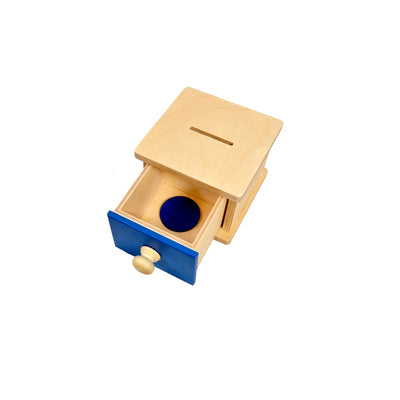
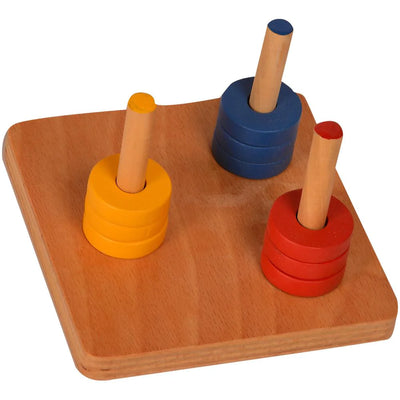
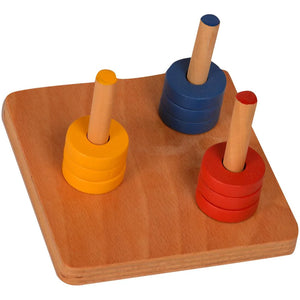
- Sensory Exploration: Provide materials that engage all senses. Simple bowls of rice, water play, or sorting colourful buttons (under supervision) are excellent. Wooden toys, like stacking rings or shape sorters, offer tactile feedback and encourage problem-solving. Explore a range of Montessori Method Learning Materials for inspiration.
- Freedom of Movement: Ensure a safe space for your toddler to move freely, climb, and explore. This supports gross motor development, essential for physical confidence and spatial awareness.
- Observation: The most crucial step. Observe your child without judgment. What are they interested in? What frustrates them? This guides you in providing the right level of challenge and support. If your child is struggling with a puzzle, for instance, observe where they get stuck and offer a hint, rather than solving it for them.
Choosing the Right Materials for Toddler Foundational Skills
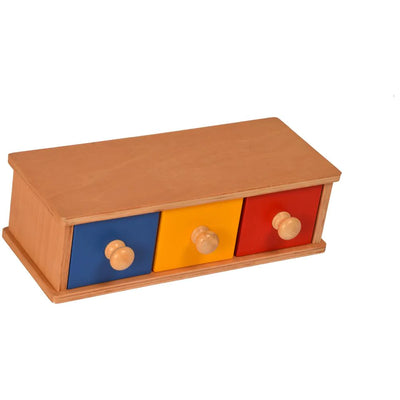
When selecting materials, think purpose over quantity. Montessori toys are often simple, made of natural materials, and designed to isolate a single concept. They encourage self-correction, allowing a child to discover their own mistakes and learn from them.
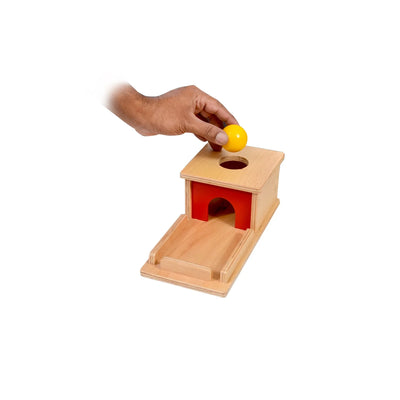
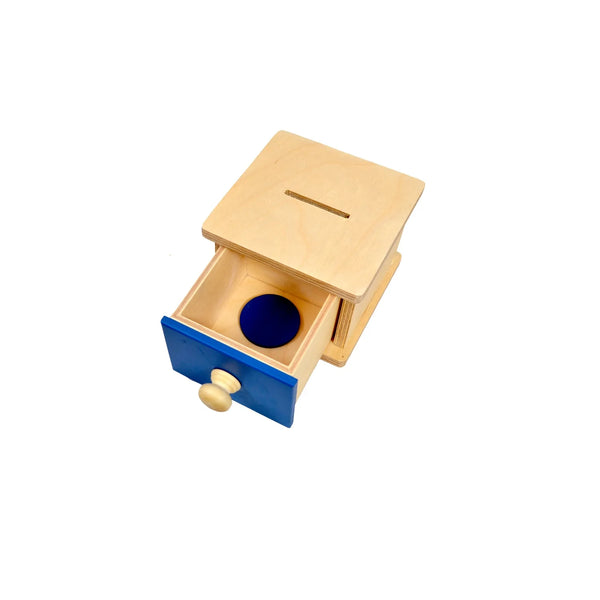
For a 1-year-old, items like a ball tracker or object permanence box foster cause-and-effect understanding. As they approach two, look for puzzles, stackers, and sorting activities that refine fine motor skills and cognitive matching. By three, your child might be ready for more complex practical life tools or early language materials, laying a strong foundation for future learning.
Investing in your child's early development is not just a parental duty; it's an act of nation-building. By embracing the principles of Montessori, Indian parents can ensure their toddlers develop not just academically, but as independent, resilient, and curious individuals, truly becoming the architects of India's bright future.