Telugu Letters with Pictures: Fun for Preschoolers (3-5)
Introducing telugu letters with pictures to preschoolers (3-5 years) can be a delightful and natural part of their early development. Research shows that early exposure to mother-tongue literacy through playful methods significantly strengthens a child's linguistic foundation and cultural identity. For Indian parents, especially in bustling cities like Bengaluru, ensuring children connect with regional languages like Telugu is crucial for their holistic growth.
What is Telugu Early Literacy?
Telugu early literacy refers to a preschooler's foundational skills in recognizing and understanding Telugu sounds and letters before formal schooling. This matters because it builds strong cognitive pathways for reading and writing, fostering a deeper connection to their cultural heritage. Indian parents can easily support this by integrating Telugu language play into daily home routines.
Why Early Exposure to Telugu Letters Matters for Indian Kids
In a rapidly globalising India, the significance of regional languages like Telugu is being increasingly recognized. Initiatives like "Urban Childhood Matters" and calls for stronger Early Childhood Care and Education (ECCE) frameworks highlight the importance of balancing English-medium education with mother-tongue proficiency. For a 3-year-old growing up in a joint family in Hyderabad or a nuclear family in Bengaluru, hearing and seeing Telugu letters daily isn't just about school readiness; it's about connecting with their roots, their grandparents' stories, and the rich tapestry of Indian culture.
Child development experts agree that exposure to multiple languages from an early age boosts cognitive flexibility and problem-solving skills. When children learn telugu aksharalu for preschoolers, they're not just memorizing symbols; they're expanding their world, understanding nuanced sounds, and developing a stronger sense of belonging. This early foundation reduces potential pressure later when they start school.
Observing Readiness: When to Introduce Telugu Aksharalu for Preschoolers
Maria Montessori's philosophy emphasizes following the child, and this holds true for language learning. While exposure to Telugu sounds and words can begin at birth, formal introduction to telugu alphabet for kids typically becomes developmentally appropriate between 3.5 and 4.5 years. At this age, children usually show signs of readiness: they can identify simple pictures, speak in longer sentences, and show curiosity about symbols and signs around them.
For example, if little Aarya, nearly four, points to a sign on a grocery store in Bengaluru and asks "What does that say, Amma?" or if she tries to "read" a newspaper upside down, these are wonderful cues. Her fine motor skills are also developing, making her ready for tracing or manipulating materials. Pushing formal academics before this readiness can lead to frustration for both child and parent.
Playful Approaches to Telugu Letters with Pictures
Learning should be an adventure, not a chore. Engaging your child with Telugu letters using visual and tactile methods makes a profound difference. Here are some effective strategies:
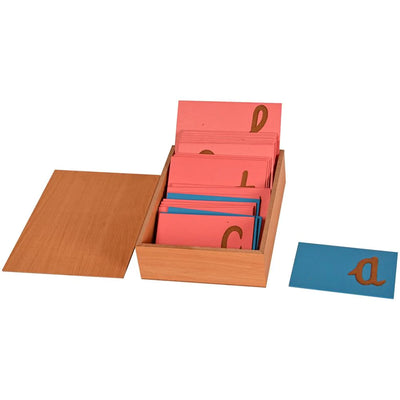
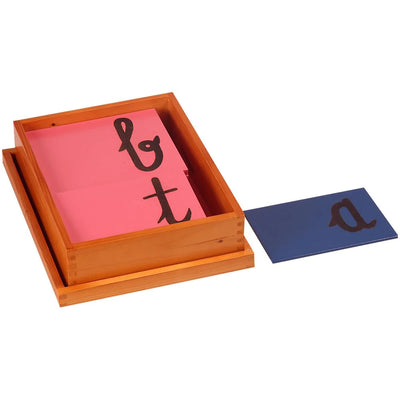
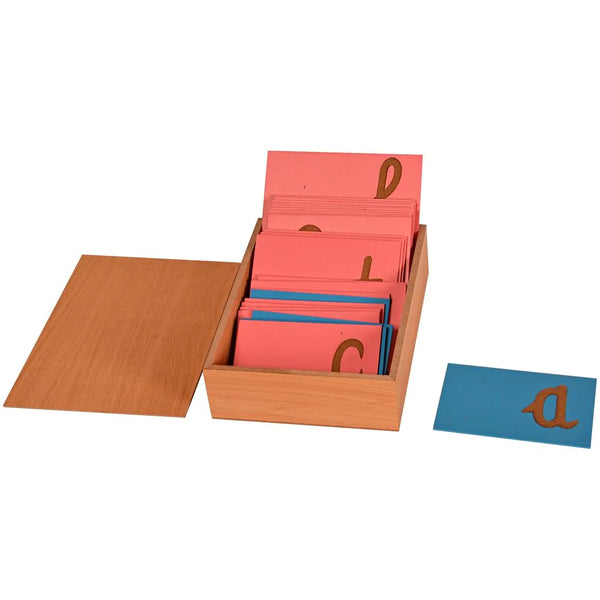
Sensory Learning with Tactile Letters: The Montessori method champions multi-sensory learning. Imagine a set of sandpaper letters where each Telugu consonant and vowel is rough to touch on a smooth board. As your child traces the letter with their finger, they say its sound. This simultaneously engages touch, sight, and hearing, solidifying the connection. You can replicate this at home by tracing letters in sand, salt, or even a thin layer of turmeric on a tray.
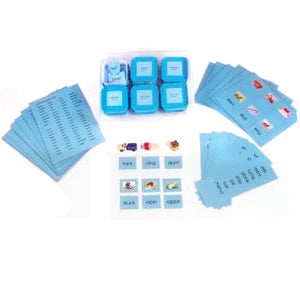
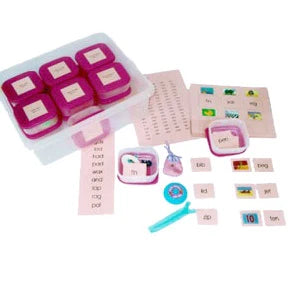
Picture Cards & Storytelling: Create or find flashcards featuring telugu letters with pictures of common Indian objects, animals, or even family members. For example, 'అ' for 'అమ్మ' (Amma), 'ఇ' for 'ఇల్లు' (Illu - house). Tell stories using these cards, asking your child to identify the starting letter or sound. This contextualizes the learning and makes it personally relevant, which is key for learning telugu for 3 year olds.
Songs & Rhymes: Many Indian grandmothers (Ammamma/Nannamma) know traditional Telugu rhymes and songs that subtly introduce letters and sounds. Singing these together makes learning joyful and memorable. The rhythm and repetition help children internalize language patterns without feeling pressured.
Engaging Activities for Learning Telugu for 3 Year Olds
Keeping a 3-year-old engaged requires dynamism. Here are some fun activities:
- "I Spy" with Telugu Sounds: Play "I Spy" by saying, "I spy with my little eye, something that starts with the 'ఆ' sound." (e.g., ఆవు - Aavu, cow). This helps them associate sounds with objects.
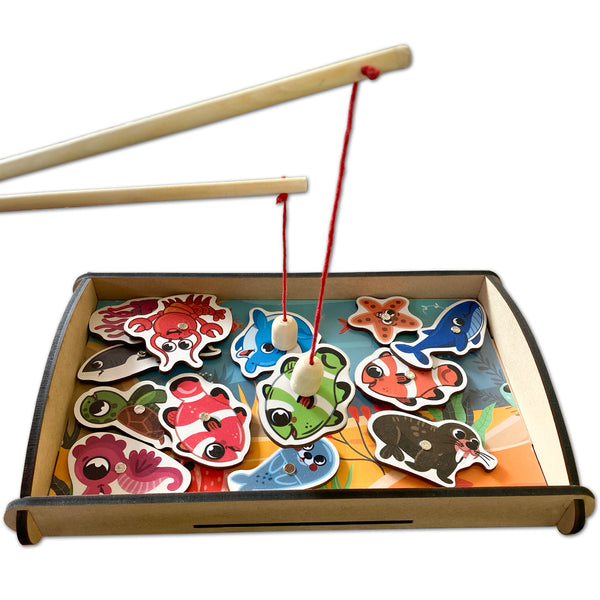
- Letter Fishing Game: Write Telugu letters on paper fish, attach a paper clip, and have your child "fish" them with a magnetic rod. Each time they catch a fish, they say the letter and its sound. You can extend this with activity kits that involve sorting and matching.
- Playdough Letters: Encourage your child to form Telugu letters using playdough. The tactile experience of molding helps them understand the letter shapes in a hands-on way.
Making Telugu Alphabet for Kids Fun with Puzzles & Crafts
Crafts and puzzles are fantastic for reinforcing letter recognition and fine motor skills.
- Letter Collages: Give your child an outline of a large Telugu letter and have them fill it with small pieces of colored paper, fabric scraps, or even grains of rice. This artistic expression makes the letter memorable.
- Telugu Letter Puzzles: Look for or create simple puzzles where each piece is a Telugu letter, and when assembled, it forms a word or completes a picture. This combines problem-solving with literacy.
- Whiteboard Fun: A small whiteboard and markers can turn letter practice into a game. Write a letter and ask your child to draw something that starts with that sound. The impermanence of the whiteboard makes mistakes less daunting.
Montessori Principles for Telugu Early Literacy Toys
SkilloToys is committed to Montessori principles, which are perfectly suited for fostering telugu early literacy toys. Montessori materials are designed to be self-correcting, allowing children to learn independently and build confidence. For instance, our range of Montessori method learning materials and toys includes items that can be adapted for Telugu letters, promoting concentration, fine motor skills, and a love for learning. The focus is always on hands-on exploration and understanding, rather than rote memorization.
The goal is to provide a "prepared environment" where children naturally gravitate towards learning. This could mean having Telugu storybooks accessible, letter-based games on a low shelf, or even simple labels in Telugu around the house for everyday objects. As India aims for stronger early childhood education, equipping parents with these effective, joyful methods is more important than ever.
Introducing Telugu letters with pictures to your preschooler doesn't have to be a stressful academic exercise. By embracing play, multi-sensory experiences, and culturally rich activities, you can foster a deep love for their mother tongue. Remember, every little attempt your child makes is a step towards a richer, more connected future. Celebrate their curiosity, follow their lead, and watch them blossom into confident communicators.