Importance of Early Childhood Education India: Why It's Critical
As India buzzes with discussions around the future of our youngest citizens, highlighted by voices like Dr. Swati Popat Vats advocating for a dedicated Ministry for Early Childhood Education (ECE), the spotlight on the importance of early childhood education India for 3-5 year olds shines brighter than ever. This isn't just about preparing for school; it's about building the very foundation of a child's future resilience, creativity, and ability to thrive in a complex world. For Bengaluru's parents, understanding this national conversation provides valuable context for the choices you make for your child today.
Early Childhood Education (ECE) refers to structured learning programs for children from birth to age eight, with a strong focus on the 3-5 year age group. This matters because it fosters holistic development, nurturing not just academic abilities but also crucial life skills. Indian parents can choose quality ECE settings to give their child a significant head start.
Building the Foundation for Lifelong Success
The years between three and five are a period of incredible brain development. Research consistently shows that children who participate in high-quality ECE programs develop stronger cognitive abilities, including problem-solving, critical thinking, and early literacy and numeracy skills. Child development experts agree that these foundational years significantly impact a child's academic trajectory, reducing the pressure of rote learning later on.
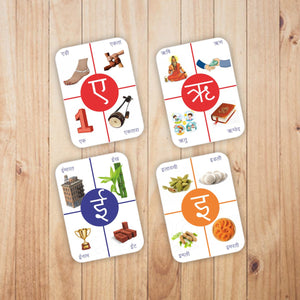
In a country where school admission competition is high, ECE provides a vital head start. It's not about forcing academics, but about nurturing a child's natural curiosity and building their confidence to learn. For example, engaging with puzzles teaches spatial reasoning and persistence, while early exposure to language-rich environments, often through stories and conversations, expands vocabulary far beyond what direct instruction can achieve.
Nurturing Social-Emotional Intelligence and Adaptability
Beyond academics, ECE is crucial for a child's social and emotional development. For a 3-5 year old, learning to share a toy, take turns, express feelings constructively, and understand others' emotions are monumental tasks. These are precisely the skills cultivated in a well-structured preschool environment, especially vital for children in bustling urban settings where direct social interaction might be limited.
The ability to adapt to new situations, manage impulses, and cooperate with peers are hallmarks of strong social-emotional intelligence. The Harvard Center on the Developing Child emphasizes that these 'soft skills' are as predictive of future success as cognitive abilities. For children from joint families, ECE complements the rich social tapestry at home by providing a structured setting to navigate peer relationships independently.
Developing Physical Skills and Independence
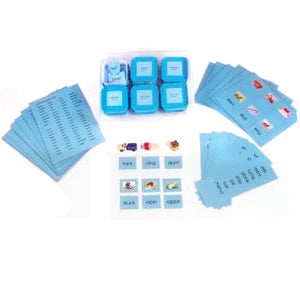
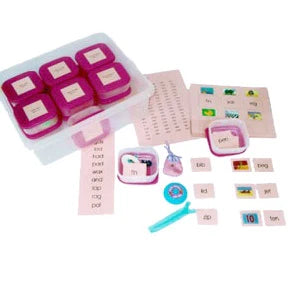
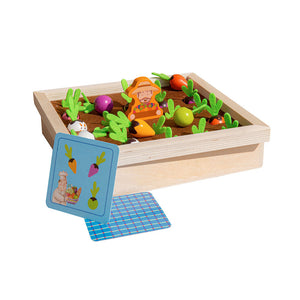
Quality ECE also places a strong emphasis on physical development – both fine and gross motor skills. From holding a crayon correctly to running, jumping, and balancing, these physical milestones are crucial for overall development and confidence. Activities like building with blocks, manipulating small objects in activity kits, or engaging in outdoor play contribute significantly to this growth.
Furthermore, ECE fosters a sense of independence. Children learn to manage their belongings, clean up after themselves, and take initiative. This aligns perfectly with Montessori principles, which empower children to do things for themselves. This self-reliance is invaluable, especially in busy Indian households where parents often juggle multiple responsibilities.
Montessori's Unique Contribution to Indian ECE
Maria Montessori's philosophy, centered on self-directed activity, hands-on learning, and collaborative play, offers an exceptional framework for ECE in India. Montessori environments, often found in high-quality preschools, recognize the absorbent mind of a 3-5 year old, providing carefully prepared materials that cater to specific developmental needs.
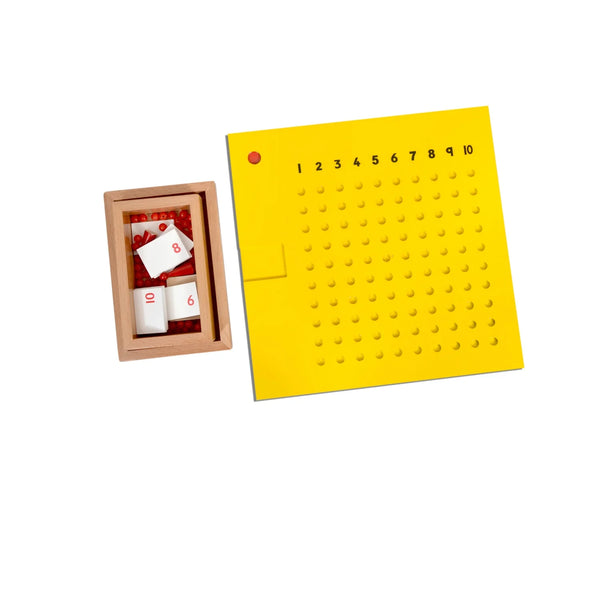
Whether it's the methodical progression of the Montessori Pink Tower for understanding dimensions or the tactile experience of sandpaper letters for pre-writing, these materials engage children deeply. NCERT's National Curriculum Framework for Foundational Stage (2022) also champions play-based learning and activity-based pedagogy, echoing many Montessori tenets. By embracing such methods, we prepare children not just for exams, but for life-long learning and innovation, crucial for India's future.
Parents as Partners: Supporting Early Learning at Home
While the national dialogue on ECE highlights the need for institutional support, parents remain their child's first and most important teachers. The learning doesn't stop when your child comes home from preschool. Simple activities like reading together, involving them in daily chores (even if it takes longer!), and encouraging free, imaginative play are incredibly powerful.
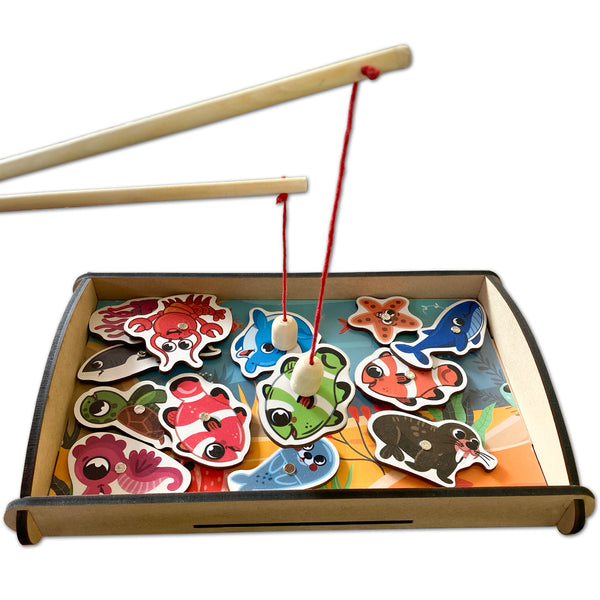
Instead of rushing them into competitive academics, engage your 3-5 year old in conversations about their day, let them explore their interests, and provide open-ended educational toys that encourage creativity. These moments build strong bonds and reinforce the lessons learned in their ECE setting. The support from grandparents in joint families, often through storytelling and traditional games, can further enrich a child's early learning experience, blending cultural heritage with modern educational insights.
The call for a dedicated Ministry for Early Childhood Education signifies a national recognition of how critical these formative years are. For parents in India, this means an opportunity to make informed decisions that will profoundly impact your child's journey. By understanding the multi-faceted benefits of quality ECE, and by partnering with your child's preschool through active engagement at home, you are truly investing in their brightest future.