Educational Toys for Toddlers: Montessori Guide (1-3 Years)
Choosing the right educational toys for your toddler (1-3 years) is crucial for fostering their holistic development, a sentiment echoed by India's growing focus on early child development initiatives, like those supported by Divi's Foundation and Lissun. These thoughtfully selected materials are not merely playthings; they are tools that empower young children to explore, learn, and grow at their own pace, preparing them for future academic success and life skills. Research shows that early engagement with appropriate learning materials significantly boosts cognitive and motor skills.
For Indian parents navigating these intense years, selecting `kids learning toys` that truly resonate with a child's natural curiosity and developmental stage can be a game-changer. This guide will help you understand the Montessori approach to choosing toys, ensuring your child receives the best support for their formative years right here in Bengaluru and across India.
What are Montessori Educational Toys?
Montessori educational toys are purposefully designed, self-correcting materials that encourage a child's natural desire to learn through hands-on exploration. They foster independence, concentration, and problem-solving skills, allowing children to master concepts at their own rhythm. Indian parents can integrate these simple yet profound tools into their child's daily routine.
Why Montessori Toys Matter for 1-3 Year Olds in India
Montessori toys for toddlers provide a strong foundation for a child's physical, cognitive, social, and emotional growth. Child development experts agree that the 1-3 year age band is a period of immense brain development, where children absorb information from their environment like sponges. In bustling Indian households, often with joint families and grandparents, these toys offer a focused activity that respects a child's individual learning style amidst varied stimuli.
Studies indicate that children engaged with Montessori materials develop superior fine motor skills and a deeper understanding of abstract concepts through concrete experiences. This approach helps instill discipline and a love for learning, crucial attributes for Indian children as they prepare for school and beyond. These toys are designed to grow with your child, providing enduring value.
Key Developmental Milestones (1-3 Years) and Corresponding Toys
Understanding your child's evolving capabilities is key to selecting the best educational toys 1-3 years. Maria Montessori emphasised observing the child, and this principle remains paramount.
12-18 Months: The Explorer & Mover
At this stage, toddlers are mastering walking and their gross motor skills are booming. They are also developing early language and sensory exploration. Look for toys that encourage movement, like push walkers, and simple, graspable items.
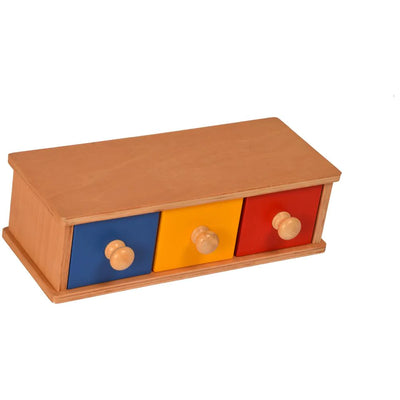
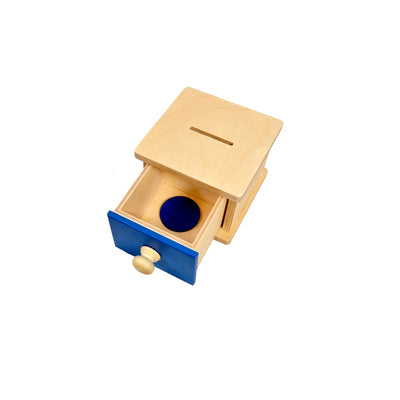
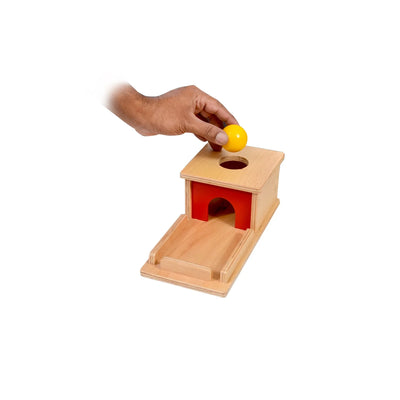
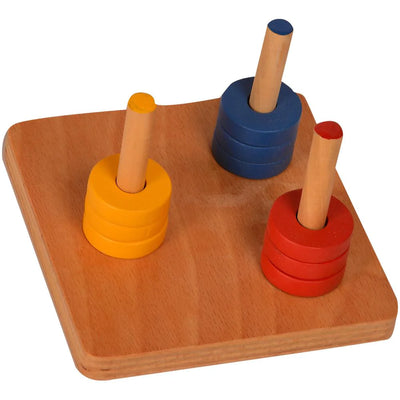
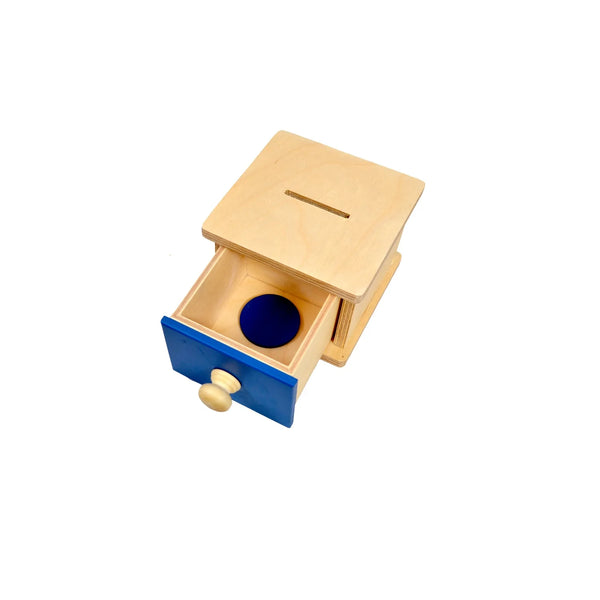
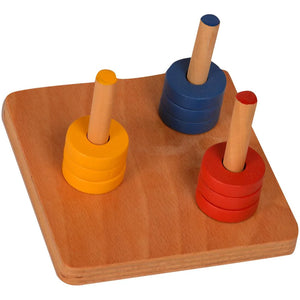
Examples: Simple wooden stackers, large knobbed puzzles (1-3 pieces), nesting cups, and large bead threading sets. These help with hand-eye coordination and spatial awareness.
18-24 Months: The Budding Problem-Solver
Fine motor skills become more refined, and toddlers begin to engage in purposeful manipulation. They show interest in practical life activities, mimicking adults around them. Toys that require precise movements and simple problem-solving are ideal.
Examples: Shape sorters, simple screw-and-nut boards, pegboards, and early practical life materials like scooping and pouring sets. These activities build concentration and independence.
2-3 Years: The Focused Learner & Communicator
Toddlers in this age group are refining their fine motor skills, developing longer attention spans, and expanding their language rapidly. They are ready for more complex tasks and early academic concepts presented concretely.
Examples: Advanced block sets, pattern-making puzzles, lacing beads, and introductory language development materials like matching cards or wooden alphabets. These foster cognitive growth, logical thinking, and pre-literacy skills.
Choosing the Right Educational Toys: A Practical Guide for Indian Parents
Selecting `toddler learning toys` that align with Montessori principles can transform your child's playtime into purposeful learning. Here's how to choose wisely:
- Observe Your Child's Interest and Stage: Before buying, notice what your child is naturally drawn to. Are they stacking, sorting, or attempting to open things? Choose toys that match their current developmental readiness and emerging interests.
- Prioritise Safety and Durability: Opt for toys made from natural materials like wood, metal, or cotton, which are non-toxic and built to withstand enthusiastic toddler play. SkilloToys.com ensures all materials meet stringent safety standards.
- Focus on Purposeful Design: Montessori toys are simple, with one clear purpose. Avoid toys with excessive lights, sounds, or complex instructions. The toy should allow the child to discover its function, not dictate it. For example, a simple wooden puzzle helps concentration far more than a battery-operated toy.
- Encourage Open-Ended Play: While many Montessori materials have a specific purpose (like the Pink Tower for size discrimination), they often encourage creative, open-ended play. Simple block sets, for instance, can become anything a child imagines, fostering creativity.
- Simplicity and Aesthetic Appeal: Montessori believed in beauty and order. Toys should be aesthetically pleasing, made from natural materials, and not overwhelm the senses. This encourages a calm, focused engagement, unlike the overstimulation often found in conventional plastic toys.
Creating a "Prepared Environment" at Home
The impact of educational toys is amplified when presented in a "prepared environment." For Indian homes, this means creating a designated, accessible space where your child's toys are neatly organised and within reach. This doesn't require a large room; a corner with low shelves can suffice. Rotating toys every few weeks keeps interest alive and prevents clutter, making it easier for children to choose and put away their own materials. Grandparents often enjoy helping set up these inviting spaces.
- Educational toys for toddlers are tools for holistic development, not just entertainment.
- Montessori toys foster independence, concentration, and problem-solving through hands-on learning.
- Select toys based on your child's specific developmental milestones (1-3 years).
- Prioritise safe, durable, simple, and purposefully designed materials like wood.
- Creating an organised, accessible "prepared environment" at home enhances learning.
- Indian parents can significantly boost cognitive and motor skills with thoughtful toy choices.
At what age should I introduce Montessori educational toys?
Montessori principles can be introduced from birth, but 12-18 months is an excellent time to formally introduce Montessori educational toys as toddlers become more mobile and curious. Focus on materials that support their emerging gross and fine motor skills and sensory exploration.
How do Montessori toys differ from regular learning toys for kids?
Montessori educational toys are distinct because they are often self-correcting, made from natural materials, and have a specific developmental purpose. They lack flashing lights or sounds, encouraging intrinsic motivation and focused concentration, unlike many conventional `kids learning toys`.
Are Montessori educational toys expensive for Indian families?
While some Montessori materials may have a higher initial cost due to quality and natural materials, they are designed for durability and longevity. Consider them an investment in your child's development, often lasting through multiple children or being shared within joint families, providing long-term value.
How many educational toys should my toddler (1-3 years) have?
Quality over quantity is key. A smaller collection of well-chosen Montessori educational toys is more beneficial than a room full of overwhelming options. Rotate toys regularly to maintain interest and encourage deeper engagement with each material.
Can I make Montessori-inspired toddler learning toys at home?
Absolutely! Many practical life activities, such as scooping beans, transferring water, or simple sorting games, can be easily set up with common household items. This aligns perfectly with the Montessori philosophy of using everyday objects for purposeful learning.
How do I clean Montessori wooden educational toys?
To clean wooden educational toys, wipe them gently with a damp cloth and mild soap, then air dry completely. Avoid soaking them in water or using harsh chemicals, which can damage the wood and finishes. Regular, gentle cleaning ensures hygiene and longevity.