Homeschooling Curriculum India: Montessori Toddler Guide
For many Indian parents today, the thought of their child's early education often comes with a blend of excitement and questions. Designing an effective homeschooling curriculum india for toddlers (1-3 years) can feel daunting, but it's an incredible opportunity to lay a strong foundation right at home. The Montessori method, with its child-centric approach, offers a beautiful framework to nurture independence, curiosity, and a lifelong love for learning in these crucial formative years.
As discussions around early childhood development gain traction, even drawing attention from initiatives like India's Deep Connection, which seeks to detect developmental delays by age 1.5, parents are increasingly aware of the critical role they play. This guide will walk you through creating a thoughtful and engaging Montessori curriculum for your toddler, perfectly suited for the vibrant dynamics of an Indian household.
What is Montessori at Home for Toddlers?
Montessori at home for toddlers is an educational philosophy applied within the home environment, focusing on child-led learning through exploration and practical activities. It creates a 'prepared environment' that supports a child's natural development, independence, and concentration. This matters because it respects the child as an individual learner during their most absorbent phase. Indian parents can adapt this by integrating cultural values and routines into purposeful play and daily life.
The Toddler's World (1-3 Years): Key Milestones for Your Homeschooling Plan
Understanding what your toddler is capable of and drawn to is the cornerstone of any effective early learning curriculum 1-3 years. Between one and three years, children undergo an explosion of development, often marked by 'sensitive periods'—intense, natural urges to learn specific skills.
For 1-2 year olds, there's a drive for movement, language acquisition, and refining their fine motor skills. They are discovering their bodies and their ability to interact with the world. By 2-3 years, this refines into a quest for independence, order, and a deeper understanding of language, often expressing strong preferences and developing their will.
Research consistently shows that these early years are foundational for cognitive, emotional, and social development. Child development experts agree that engaging children in purposeful activities during these sensitive periods maximizes their learning potential, making tailored early learning crucial.
Crafting Your Montessori Homeschooling Environment in an Indian Home
Creating a dedicated space, or a 'prepared environment', is central to successful montessori homeschooling india. This doesn't require a separate classroom; it means making existing spaces child-friendly, accessible, and orderly. Think about a low shelf in the living room where toys and learning materials are neatly arranged, inviting your child to choose their activity.
In many Indian homes, with joint families or smaller urban flats, space can be a consideration. Designate a 'work mat' that your child can unroll anywhere to define their activity space. Involve grandparents; their wisdom and presence can be invaluable in guiding children through activities and cultural stories, adding another layer to your preschool at home india setup.
Ensure materials are easily reachable, organized, and complete, teaching your child respect for their environment. A simple child-sized broom and dustpan, for example, signals that they are capable of contributing to the household, fostering both responsibility and fine motor skills.
Engaging Toddler Homeschooling Activities for Indian Children (1-3 Years)
The beauty of a DIY Montessori curriculum lies in integrating learning into everyday life. Here are key areas for toddler homeschooling activities india, tailored for the Indian context:
Practical Life Activities: Building Independence and Concentration
These activities mirror daily chores and are incredibly engaging for toddlers. They develop coordination, concentration, independence, and a sense of belonging. Think simple tasks like pouring water from a small jug, scooping rice or lentils with a spoon, or wiping spills.
Many Indian families naturally involve children in daily routines like helping to wash vegetables or setting a small mat for dinner. These are perfect Montessori 'practical life' moments. SkilloToys offers a range of Montessori practical life materials designed to support these essential skills.
Sensorial Exploration: Refining the Senses
Toddlers learn through their senses. Provide materials that allow them to explore different textures, colours, shapes, and sounds. This could be sorting coloured pom-poms into bowls, matching fabric scraps, or exploring the satisfying feel of wooden blocks. This lays the foundation for abstract thinking and mathematics later on.
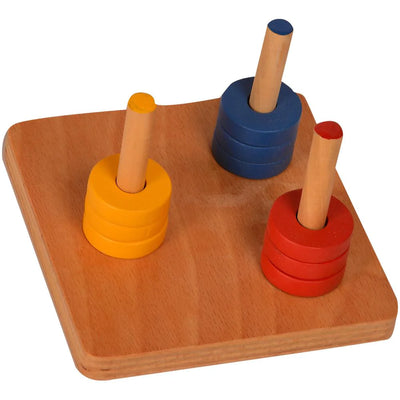
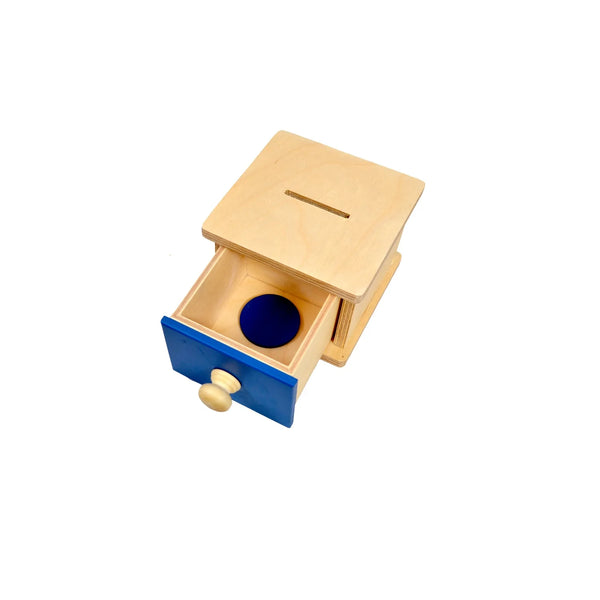
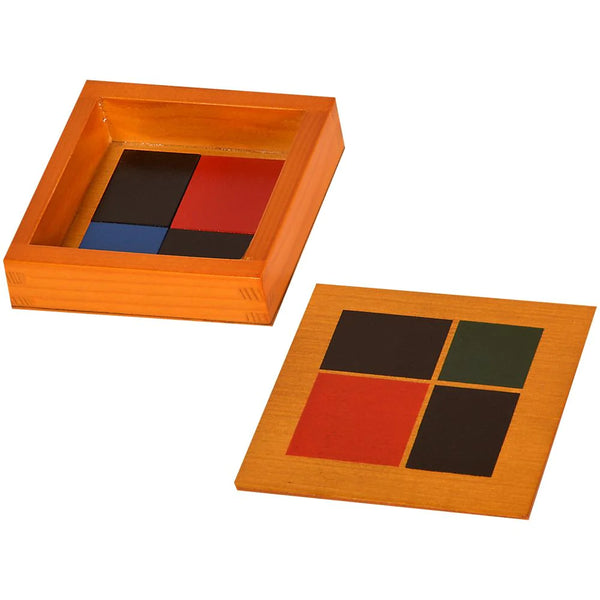
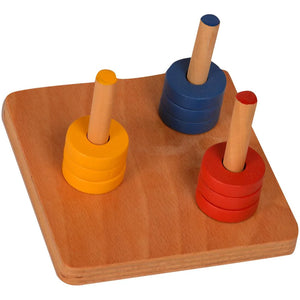
Simple wooden stackers, shape sorters, and sorting trays are excellent tools for sensorial development. These help children differentiate attributes like size, shape, and weight. Explore SkilloToys sensorial materials that engage and challenge young minds.
Language Development: Nurturing a Love for Words
The 1-3 year period is a sensitive time for language. Surround your child with rich language through conversations, storytelling, and songs. Introduce object-to-picture matching games using flashcards of common Indian objects, animals, or foods. Encourage them to name things in their mother tongue alongside English, celebrating linguistic diversity.
Movement and Gross Motor Skills: Empowering the Body
Provide opportunities for gross motor development like climbing a small indoor slide, walking on a line, or simply running and jumping in a safe space. A toddler's constant movement isn't just restlessness; it's their way of strengthening their body and developing coordination crucial for future learning.
Weaving Indian Culture into Your DIY Montessori Curriculum
This is where your unique Indian context truly shines in your diy montessori curriculum. Integrate elements like storytelling from epics, exploring traditional art forms through simple painting or rangoli patterns (using rice or lentils), or engaging in preparation for festivals. A child helping to arrange flowers for a puja or sort colourful sweets for Diwali is participating in meaningful cultural practical life.
The Role of Observation: Your Child's True Curriculum Guide
Maria Montessori herself emphasized the profound importance of observation. As a parent implementing a homeschooling curriculum for your toddler, your primary role is not to teach, but to observe. Watch what your child is drawn to, what they struggle with, and what sparks their deepest concentration.
This keen observation helps you tailor activities, introduce new materials when they are ready, and respectfully step back when they are deeply engaged. It's about trusting your child's innate drive to learn and providing the tools and freedom to do so.
Embrace this journey of discovery with your toddler. The beauty of the Montessori method at home in India is its flexibility and its deep respect for the individual child. By creating a nurturing, stimulating, and culturally relevant environment, you empower your child to become a confident, independent, and joyful learner.