UNICEF Toddler Development India & Montessori Guide
The recent news about Divi's Foundation extending its collaboration with UNICEF India for child development highlights the vital role global guidelines play in shaping our children's futures. For Indian parents, understanding UNICEF toddler development India recommendations is key to fostering holistic growth in their 1-3 year olds. This guide explores how these globally recognised principles find a powerful partner in the time-tested Montessori method, offering practical ways to support your child's journey.
UNICEF India's framework for toddler development champions responsive caregiving, early learning opportunities, and a nurturing environment. This matters immensely because the period from one to three years is a foundational window for brain development, impacting lifelong learning and well-being. Indian parents can actively integrate these principles into their daily lives by understanding how Montessori practices at home naturally align with these guidelines.
UNICEF India's Vision for Toddler Development (1-3 Years): Core Principles
UNICEF, through its global and local initiatives, consistently advocates for comprehensive early childhood development in India. Child development experts agree that the 1-3 year age band is a period of explosive growth across all domains. UNICEF's guidelines for toddlers are built on pillars of good health, adequate nutrition, protection from harm, and crucially, responsive caregiving and early learning opportunities.
Responsive caregiving, as defined by UNICEF, involves parents and caregivers observing their child's signals, interpreting them, and responding appropriately and consistently. In an Indian home, this might mean a parent in a joint family noticing their 18-month-old pointing repeatedly at a spoon and offering it to them, or a grandparent patiently listening to a toddler's babbling, rather than dismissing it. Studies indicate that children who experience responsive caregiving develop stronger attachments, better self-regulation, and enhanced cognitive abilities.
Montessori UNICEF Principles: A Natural Alignment
Maria Montessori's educational philosophy, developed over a century ago, shares a remarkable synergy with modern early childhood development insights, including those championed by UNICEF. At its heart, Montessori emphasizes creating a "prepared environment" – a child-friendly space that encourages independence, exploration, and self-directed learning. This aligns perfectly with UNICEF's call for rich early learning opportunities and a stimulating environment.
Montessori's approach empowers the child, fostering concentration and a love for learning. For example, a 2-year-old in Bengaluru, given a small jug to pour water into a glass, is not just learning a practical skill; they are developing fine motor coordination, problem-solving abilities, and self-efficacy. This engagement is precisely the kind of rich, child-led learning that boosts holistic child development in India, as advocated by UNICEF.
Nurturing Cognitive & Language Growth: A Shared Focus
Both UNICEF and Montessori place immense importance on cognitive and language development during the toddler years. Research shows that 90% of a child's brain development occurs by age five, making the 1-3 year window critical for language acquisition and problem-solving skills.
- UNICEF's Perspective: Emphasizes talking, reading, and singing to children, providing opportunities for them to explore and ask questions.
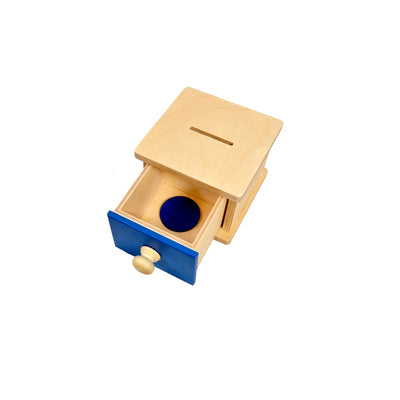
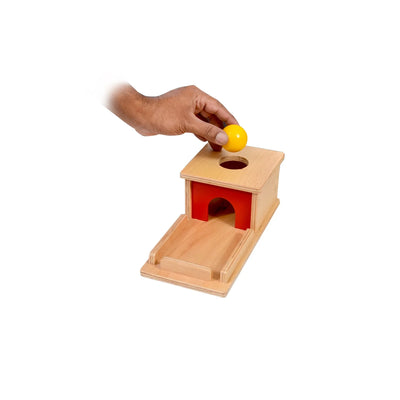
- Montessori's Approach: Offers specific Montessori language materials, like object boxes and picture cards, that build vocabulary systematically. Activities like "I Spy" with sounds or naming objects around the house, common in Indian families, naturally foster language skills. Imagine a child learning names of different spices or festival decorations, building a rich vocabulary rooted in their cultural context.
Fostering Socio-Emotional & Physical Milestones: UNICEF Guidelines for Toddlers in Action
Toddler milestones, as identified by UNICEF, include developing social connections, expressing emotions, and mastering gross and fine motor skills. The Montessori method offers tangible ways to support these critical areas.
- Socio-Emotional Development: UNICEF stresses the importance of secure attachments and opportunities for social interaction. In a Montessori setting, children learn to share, take turns, and respect others' work through collaborative play, even in a small group. For Indian children in joint families, learning to navigate interactions with siblings, cousins, and elders naturally contributes to their social intelligence.
- Physical Development: From walking independently to refining hand-eye coordination, physical growth is constant. Montessori encourages movement and practical life activities, such as sorting lentils or buttoning clothes, which build essential fine motor skills. Large motor activities like climbing small stairs or pushing a small cart – much like helping an older sibling move toys – directly support gross motor development, aligning with the early childhood development India UNICEF framework. SkilloToys offers a range of Montessori practical life materials that allow toddlers to engage in these meaningful activities.
Practical Steps for Indian Parents: Bringing it Home
Integrating UNICEF's guidelines for toddlers with Montessori principles into your Indian home doesn't require a complete overhaul. It's about intentional choices and a respectful approach to your child's innate capabilities.
- Observe Your Child: Pay close attention to your toddler's interests and abilities. If 2.5-year-old Aanya in a Bangalore apartment shows an interest in sweeping, provide her with a child-sized broom. This responsive observation is a cornerstone of both Montessori and UNICEF's advice.
- Create Accessible & Orderly Spaces: Even in smaller homes, designate a "yes" space where your child can freely explore age-appropriate materials. Low shelves with a few rotating, well-maintained toys encourage focus and independence.
- Encourage Practical Life Skills: Let your toddler participate in simple household chores. Helping with Diwali preparations by sorting diyas, or helping Dadi roll rotis (with supervision), offers immense learning. These activities build confidence, coordination, and a sense of contribution. Explore our Montessori learning materials that aid these developments.
- Prioritise Interaction over Instruction: Engage in conversations, narrate your day, and read stories. The richness of your interactions fosters language and cognitive growth far more than passive screen time.
By consciously weaving these principles into the fabric of daily life, from the festive celebrations to quiet playtimes, Indian parents can confidently support their toddler's development. This collaborative blueprint of UNICEF's global vision and Montessori's proven methodology empowers you to nurture an independent, curious, and well-adjusted child ready for the world.