Women & Child Development Summit India: PM Modi & Toddler Growth
Prime Minister Modi's address at the Valedictory Session of the Women and Child Development Summit India on October 9th reinforced the nation's profound commitment to its youngest citizens. For parents navigating the beautiful, often intense, journey with their 1-3 year olds, this national focus isn't just news; it's a validation of the vital foundational work happening daily in Indian homes, from bustling Bengaluru apartments to quiet village courtyards. The summit's emphasis on holistic development, health, and early learning echoes the very core of what Montessori education strives to achieve.
What is Early Childhood Care and Education (ECCE)?
Early Childhood Care and Education (ECCE) encompasses the holistic development of a child's social, emotional, cognitive, physical, and linguistic needs from birth through age eight. This matters because the early years are crucial for brain development and future learning. Indian parents can actively engage by creating stimulating home environments and understanding their child's unique developmental pace.
PM Modi Child Development Vision: Nurturing 'Aatmanirbhar Bachpan'
Prime Minister Modi's vision for child development, often articulated through national programs, consistently points towards fostering resilience, self-reliance, and a strong foundation for learning – concepts perfectly aligned with 'Aatmanirbhar Bachpan', or a self-reliant childhood. For toddlers, this translates into empowering them with opportunities to "do it myself," a cornerstone of Montessori philosophy. Research from the Harvard Center on the Developing Child consistently highlights that early experiences shape brain architecture, making independence-building activities paramount.
In a joint family setting, where multiple hands often rush to help, allowing a 2-year-old — say, little Arjun in Pune — to struggle briefly with putting on his own sandals or pouring water from a small jug can feel counter-intuitive. Yet, these small acts of self-mastery, supported by a parent's patient observation, build confidence and fine motor skills. SkilloToys offers a range of Montessori practical life materials designed precisely for these crucial explorations, like pouring sets or dressing frames, making independence accessible and safe.
Toddler Development Initiatives India: Prioritizing Foundational Learning
The summit's focus on strengthening foundational learning for young children aligns directly with Montessori's approach to early childhood care. Instead of rote memorization, Maria Montessori emphasized concrete, hands-on experiences that allow children to discover concepts for themselves. This is particularly vital for toddlers aged 1-3 years, whose minds are absorbing information at an incredible rate.
For a 3-year-old like Myra in Bengaluru, preparing vegetables for the family dinner — perhaps peeling a soft cucumber with a child-safe peeler — isn't just "playing kitchen." It's a complex activity involving fine motor control, concentration, sequential thought, and practical mathematics (how many slices?). The National Council of Educational Research and Training (NCERT) has also championed play-based, activity-oriented learning in its frameworks, recognizing its deep impact on cognitive development beyond mere academics. These are the kinds of enriching experiences that truly build foundational literacy and numeracy indirectly.
Montessori Early Childhood Care: The Prepared Environment in Indian Homes
A key takeaway from any discussion on holistic child development, and certainly from a Montessori perspective, is the importance of the "prepared environment." This isn't about expensive makeovers, but about thoughtful arrangement. If the government envisions supportive ecosystems for children, parents can translate this into their living spaces. Can your 18-month-old, Sia in Chennai, reach her own cup and water bottle? Does her play area encourage focused activity rather than overwhelming stimulation?
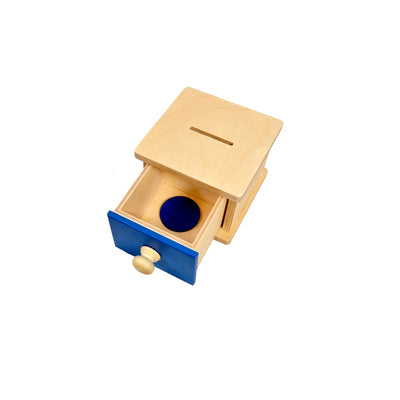
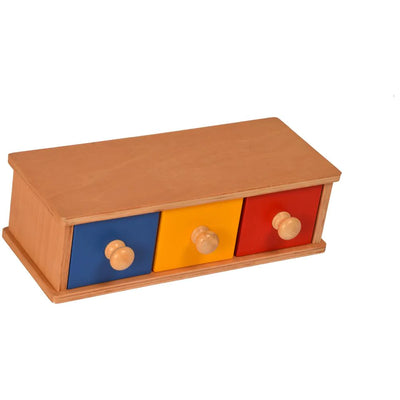
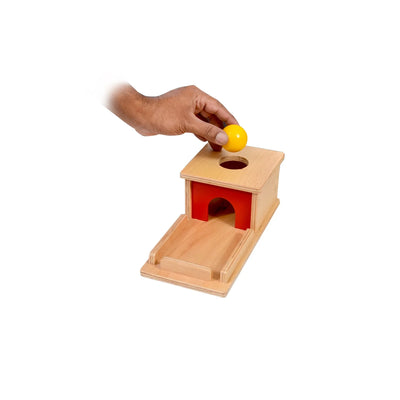
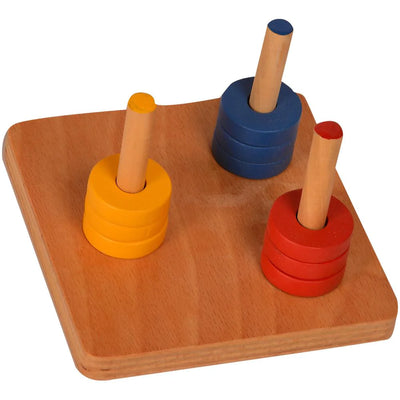
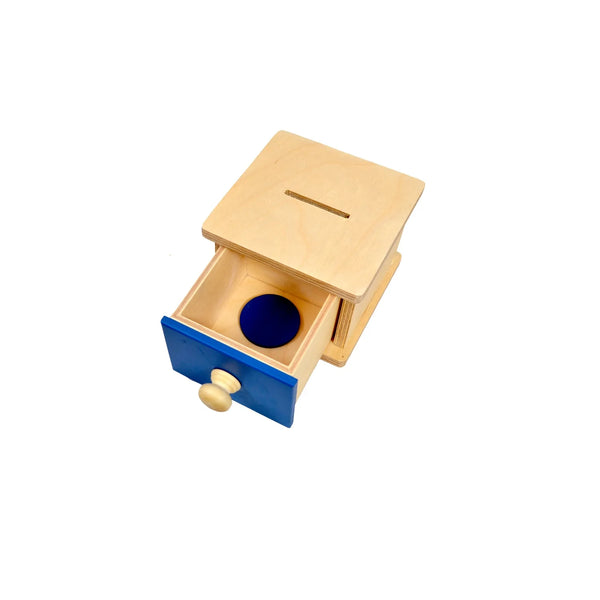
Creating a simple "yes" environment — where safe, engaging activities are accessible — empowers toddlers to explore without constant parental intervention. This fosters their intrinsic motivation to learn and develop. Think about a low shelf with a few carefully chosen Montessori wooden puzzles or nesting boxes, rather than a large toy chest overflowing with options. This deliberate choice promotes concentration and deep engagement, crucial for healthy brain development.
Government Schemes for Children & Parental Partnership
While specific government schemes for children, such as those under the Integrated Child Development Services (ICDS) or Poshan Abhiyaan, provide crucial nutritional and health support, parental involvement remains the most significant factor in a child's development. The summit's discussions likely highlighted this partnership, where governmental frameworks provide the foundation, and families build upon it.
Parents are their child's first teachers. Observing your toddler, understanding their sensitive periods — for language, order, movement — and responding with appropriate activities and materials is a profound form of partnership. Whether it's the dadi patiently teaching rhymes in her mother tongue or a parent introducing a toddler to the joys of gardening on a balcony, these moments, small yet impactful, are how national development goals are realized — one child, one home, at a time. The American Academy of Pediatrics recommends reading aloud daily, a simple yet powerful activity that fosters language development and strengthens parent-child bonds.
The synergy between national priorities, as highlighted by Prime Minister Modi's address, and the time-tested principles of Montessori education offers a robust framework for nurturing India's future. By focusing on independence, hands-on learning, and a supportive environment, parents can empower their toddlers to grow into self-reliant, confident, and capable individuals, truly embodying the spirit of 'Aatmanirbhar Bharat' from their very first steps.