Wooden Puzzles for Kids: A Montessori Guide (1-3 Years)
Wooden puzzles for kids aged 1-3 years are foundational educational tools that significantly contribute to a toddler's cognitive and fine motor development, as widely acknowledged by early childhood experts. These simple yet profound materials, central to the Montessori philosophy, provide hands-on learning experiences crucial for building concentration and problem-solving skills in young children across India. Parents seeking meaningful engagement for their little ones often find these puzzles indispensable.
Montessori wooden puzzles are self-correcting educational materials designed to isolate a single concept for the child, allowing for independent exploration and discovery. This matters because the "control of error" inherent in these puzzles empowers toddlers to identify and fix their own mistakes without adult intervention, fostering self-reliance and internal motivation. Indian parents can integrate these puzzles into a child's learning space to encourage focused, self-directed play, aligning with a natural desire for mastery.
Beyond Entertainment: The True Value of Puzzles for 1-3 Year Olds
While brightly coloured electronic toys might offer fleeting amusement, carefully chosen puzzles for 1-3 year olds offer deep, sustained engagement that builds critical developmental pathways. Child development experts agree that consistent engagement with puzzles significantly enhances a child's spatial reasoning and logical thinking. For little Aarya in her Bengaluru apartment, arranging puzzle pieces isn't just a game; it's a stepping stone to understanding patterns, relationships, and problem-solving.
Research indicates that children who regularly engage with puzzles show improved hand-eye coordination, shape recognition, and cognitive flexibility. In the context of Indian parenting, where early learning and school readiness are often priorities, these foundational skills provide a solid advantage. Rather than simply occupying time, puzzles equip children with the mental tools they will use throughout their academic and personal lives.
Choosing the Right Montessori Wooden Puzzles for Your Toddler
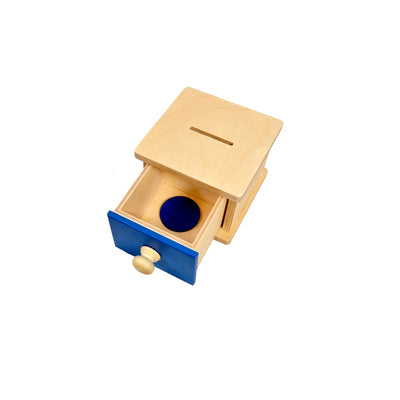
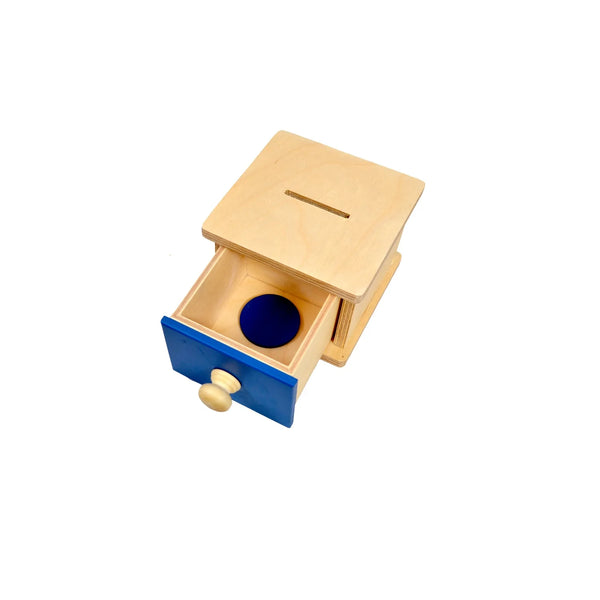
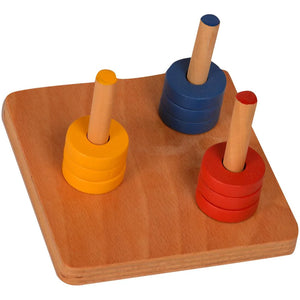
Selecting the appropriate Montessori wooden puzzles is key to ensuring your child remains engaged and challenged, not frustrated. Maria Montessori observed that children thrive when materials are perfectly matched to their developmental stage. For toddlers around 12-18 months, begin with single-piece knobbed puzzles that help develop their pincer grip. These might feature simple shapes like circles, squares, or triangles.
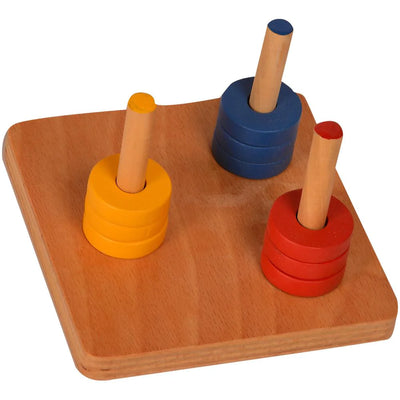
As your child approaches 18-24 months, introduce puzzles with 2-3 larger pieces that fit together logically, perhaps depicting a familiar animal or object. For 2-3 year olds, layer puzzles or those with 4-8 pieces offer a more complex challenge, encouraging deeper problem-solving. Always prioritise high-quality, non-toxic Montessori wooden puzzles that are durable enough to withstand enthusiastic toddler play.
Nurturing Fine Motor Skills Development with Wooden Puzzles
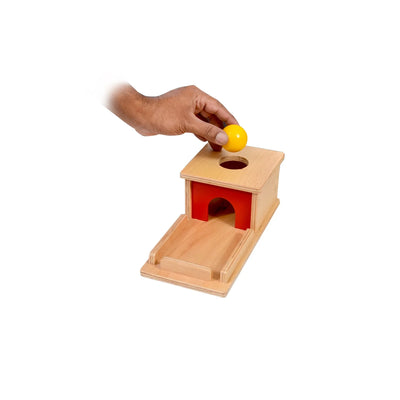
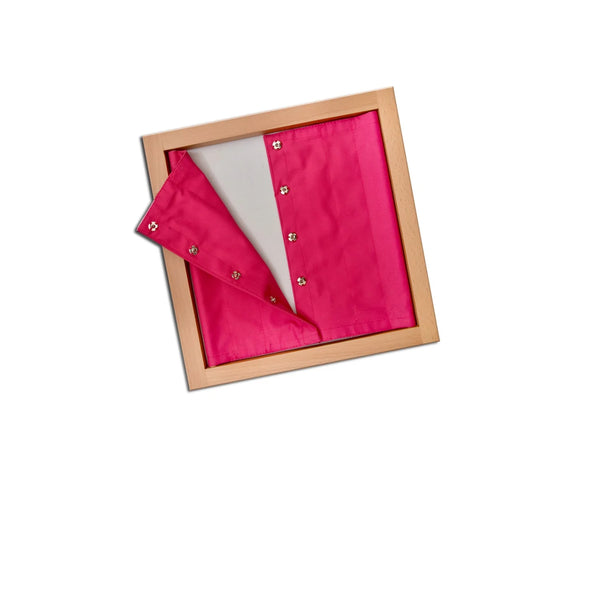
The act of grasping, lifting, turning, and placing puzzle pieces is a powerful workout for a toddler's small hand muscles. This active engagement is vital for fine motor skills development toys. When little Rishi, aged 2, carefully places a puzzle piece, he's strengthening the same muscles he'll use to hold a crayon for his first Hindi letters or manage his own buttons for school. These repetitive, precise movements lay the groundwork for self-care, writing, and artistic expression.
The satisfaction derived from successfully fitting a piece is not just about completing the puzzle; it's about the internal reward of mastering a precise physical task. This intrinsic motivation is a cornerstone of Montessori education. Observe your child's dexterity and focus as they manipulate the pieces – these are invaluable indicators of their developing independence.
Setting Up a Montessori Puzzle Environment in Your Indian Home
Creating an inviting, prepared environment can significantly enhance your toddler's engagement with puzzles. Designate a small, quiet corner in your home – perhaps a mat on the floor in the living room or a low shelf in their play area. Present one puzzle at a time, placed neatly on a tray or mat. This simplicity reduces overwhelm and encourages focus, which can be particularly beneficial in bustling joint family homes during festivals like Diwali, when overstimulation is common.
When introducing a new puzzle, demonstrate its use slowly and silently, allowing your child to observe without distraction. Then, step back and allow them to explore. The Montessori concept of "control of error" means the puzzle itself tells the child if a piece is correct or incorrect, fostering self-correction. Dadis and nanis often have a natural knack for observing children silently; encourage them to watch as their grandchild explores, rather than 'helping' too much, allowing the child the joy of independent discovery.
This self-directed learning, where the challenge isn't the puzzle itself but the child's internal drive to master it, builds immense resilience. It teaches them that it's not about getting it right the first time, but about learning how to figure things out independently. This internal locus of control is a far more valuable skill than simply completing a task with adult guidance, preparing them for future academic and social challenges.
Choosing high-quality, well-designed wooden puzzles for kids is an investment in your child's holistic development. These timeless tools not only build crucial cognitive and motor skills but also cultivate patience, concentration, and a profound sense of accomplishment. Explore SkilloToys.com's extensive collection of Montessori Method Learning Materials to find the perfect puzzle that sparks joy and learning for your little one.
Tonight, during quiet time, choose one wooden puzzle your child hasn't explored in a while. Present it on a small mat, silently demonstrate its purpose if needed, and then simply observe. You might be amazed at their capacity for focused, independent discovery, building their confidence one successful puzzle piece at a time.