Educational Toys: Build Self-Worth, Combat Comparison in Kids
Educational toys are essential tools for nurturing intrinsic self-worth in Indian children, offering a powerful antidote to the societal pressures of social comparison. Research indicates that children engaged in purposeful, self-directed play develop a robust sense of competence and independence, directly countering feelings of inadequacy often highlighted in discussions like the recent Gurugram CEO's warning. Indian parents can empower their children by selecting toys that foster problem-solving and self-mastery, rather than focusing on external achievements.
Educational toys for self-worth are materials designed to foster a child's innate curiosity, problem-solving skills, and independence through hands-on engagement. This focus matters because it cultivates a deep sense of internal accomplishment, building resilience against external judgments and societal comparisons. Indian parents can effectively use these toys to guide children towards valuing effort and personal growth over material possessions.
The Hidden Cost of Comparison: Why Indian Parents are Concerned
The recent discourse, sparked by a Gurugram CEO's candid warning about affluent schools making children feel 'poor', has resonated deeply with parents across India. From Bengaluru to Mumbai, the pressure to keep up – whether with school admissions, academic achievements, or material possessions – is a growing concern. News reports from outlets like News18 and The Times of India further highlight how this comparison culture can chip away at a child's intrinsic self-worth, making them feel like they're living in a "well-furnished prison" of expectations.
It's not just about what children own; it's about how they perceive themselves against others. A parent recently WhatsApped me at 11pm, not about a toddler's speech delay, but about their 6-year-old's sudden anxiety over a friend's new gaming console. This illustrates a profound shift where external validation is often prioritised over inner contentment, impacting how Indian kids navigate their social worlds and develop a strong sense of self.
Educational Toys as Anchors: Building Intrinsic Self-Worth
In a world fixated on grades and 'the latest gadget', how do we anchor our children to their own unique value? The answer lies in fostering intrinsic motivation through play. Child development experts agree that self-directed play, where a child is free to explore and master tasks at their own pace, is fundamental for building genuine self-worth. This approach stands in stark contrast to competitive play or toys that offer only passive entertainment.
The Montessori philosophy, for instance, emphasizes "the child's work" as a path to self-mastery. When a child like 3-year-old Aarya in a Bangalore joint family meticulously sorts different sized blocks, she isn't just learning colours or dimensions. She is mastering control over her environment, solving a problem independently, and experiencing the quiet satisfaction of completion. This self-directed mastery, a core tenet of Montessori, directly counters the need for external validation seen in social comparison.
Montessori Toys for Self-Esteem: Fostering "I Can Do It"
Montessori toys are specifically designed to foster this 'I can do it' attitude, which is the bedrock of strong self-esteem. Materials are often self-correcting, meaning the child can identify and fix their own errors without adult intervention. This process empowers them, building confidence organically.
- Practical Life Activities: Simple tasks like pouring water, buttoning clothes, or cleaning a small spill build concentration, coordination, and a profound sense of capability. These seemingly simple acts contribute to a child's belief in their ability to handle real-world challenges.
- Sensorial Materials: Items like the Pink Tower or sound cylinders help children refine their senses and classify impressions of the world. By discovering patterns and differences independently, children develop strong cognitive skills and trust in their own observations. Explore our range of Montessori Method Learning Materials for age-appropriate options.
Toys to Build Confidence Kids: Beyond Academic Scores
While academic pressure is prevalent in India, true confidence comes from a broader skill set: problem-solving, creativity, and resilience. Educational toys that encourage open-ended exploration and challenge a child's thinking are invaluable. Studies consistently show that children who engage in self-directed play develop higher self-regulation and problem-solving skills, attributes that fuel lasting confidence.
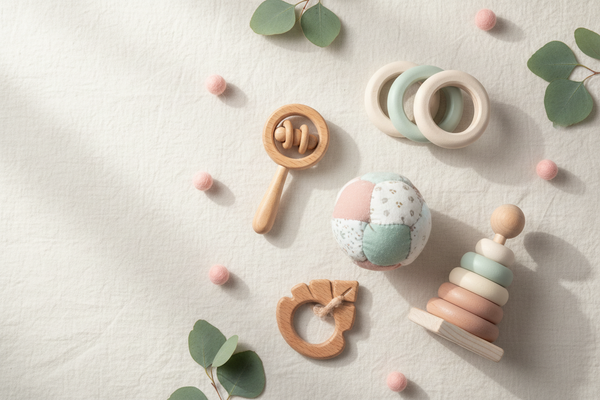
Consider the satisfying clunk of one wooden toy block landing on another, the frustrated grunt when a tower falls, and the delighted shriek when it finally stays up. This cycle of trial, error, and perseverance teaches resilience more effectively than any lecture. Simple age 1-3 years toys like stackers, shape sorters, and interlocking puzzles invite children to experiment, observe consequences, and adapt their approach – skills far more valuable than memorizing facts for a test.
Combat Materialism Kids India: Valuing Experience Over Things
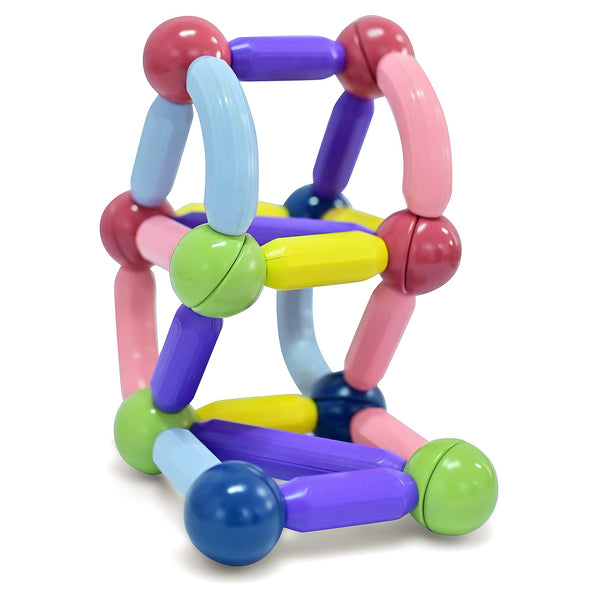
The antidote to materialism isn't deprivation, but a re-focus on intrinsic value. When children engage with quality educational toys, they learn to appreciate the process of creation, the satisfaction of a challenge met, and the joy of imaginative play. A child deeply engrossed in building a complex structure with simple wooden shapes is less likely to feel inadequate because a friend has a "fancier" plastic toy. They are busy creating their own world, valuing their ingenuity above all else.
By providing toys that offer depth and longevity rather than fleeting novelty, we subtly teach children to value experience and skill development over mere possession. This can be supported by encouraging activity kits that involve hands-on creation and sustained engagement, shifting the focus from "what I have" to "what I can do."
Raising Content Children India: Values-Based Parenting Through Play
In the context of Indian homes, where family values often intertwine with daily life, play can be a powerful vehicle for teaching contentment. Grandparents, with their timeless wisdom, often intuitively understand this, encouraging patient, focused play rather than constant novelty. They model the joy of simple activities, reinforcing values like patience, perseverance, and respect for materials.
Encourage conversations during play about the effort involved, the creativity displayed, and the feelings of accomplishment. Instead of asking "What did you make?", try "How did you figure that out?" or "What was the most challenging part?" This shift in focus, from product to process, helps children internalize the idea that their worth comes from their actions and inner qualities, not from external comparisons or material gains. Tonight, during dinner, ask your 4-year-old to describe their favourite play experience of the day, focusing on how it made them feel.