Educational Toys for Autism India: A Buying Guide
Finding the right educational toys for autism in India can transform a child's developmental journey, providing vital support for sensory processing, communication, and learning. For many Indian parents, like the Bengaluru couple who recently founded a foundation after searching for autism support, understanding which tools best serve their child's unique needs is a journey of discovery. SkilloToys is committed to being a trusted guide in this important process, offering thoughtfully curated options.
Educational toys for children with autism are specifically designed to address common developmental areas. These tools provide structured, engaging learning experiences that support needs like sensory integration, communication, and fine motor skills. They are crafted to foster focused play and learning, helping children on the autism spectrum build crucial abilities in a supportive environment tailored to their unique strengths.
Understanding Play for Children with Autism: More Than Just Fun
Play is a fundamental aspect of child development, but for children with autism, it often looks different. While neurotypical children might naturally engage in imaginative or social play, autistic children often benefit from structured, predictable activities that offer clear outcomes. Child development experts agree that repetitive play, often seen in autistic children, isn't a barrier but an opportunity for deep learning and self-regulation. The key lies in understanding and joining their world.
In Indian homes, where joint families often mean multiple generations interact with a child, educating everyone on supportive play is essential. Grandparents, uncles, and aunties can all contribute by engaging with special needs toys India offers, focusing on the child's interests rather than imposing a typical play style. This collective support system, much like the foundation started by the Bengaluru couple, reinforces a child's growth in every interaction.
Montessori Principles as Autism Learning Tools
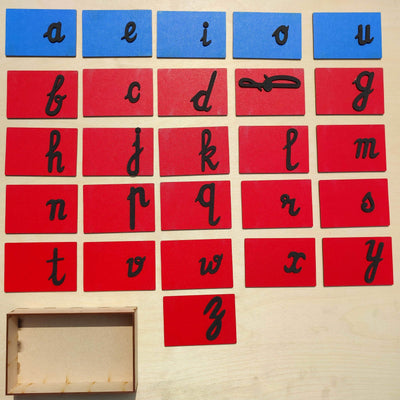
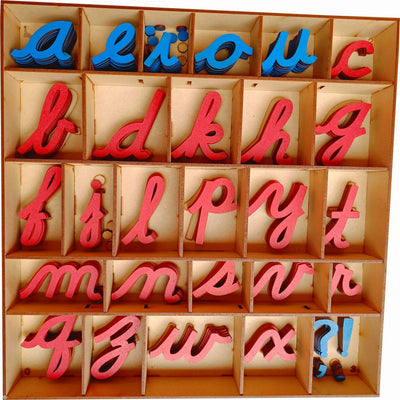
The Montessori philosophy, founded by Dr. Maria Montessori, offers an incredibly effective framework for autism learning tools. Its core tenets of order, concrete materials, self-correction, and hands-on exploration align perfectly with the learning styles often seen in autistic children. Research shows that structured environments and predictable activities can significantly reduce anxiety and improve focus.
Consider the Montessori method's learning materials: knobbed cylinders for fine motor control, the Pink Tower for visual discrimination and sequencing, or practical life activities like pouring and scooping. These are not just toys; they are carefully designed tools that provide specific sensory input and clear learning objectives, allowing children to work at their own pace and achieve mastery through repetition. This self-directed learning fosters independence and builds confidence, crucial for children on the spectrum.
The Power of Sensory Toys for Autism in Indian Homes
Many children with autism experience sensory processing differences, either seeking out intense sensations or avoiding certain stimuli. Sensory toys for autism are indispensable in helping them regulate their nervous systems and engage with the world more comfortably. For a child in a bustling Indian household, managing sensory input from sounds, smells, and textures can be overwhelming, making these toys invaluable.
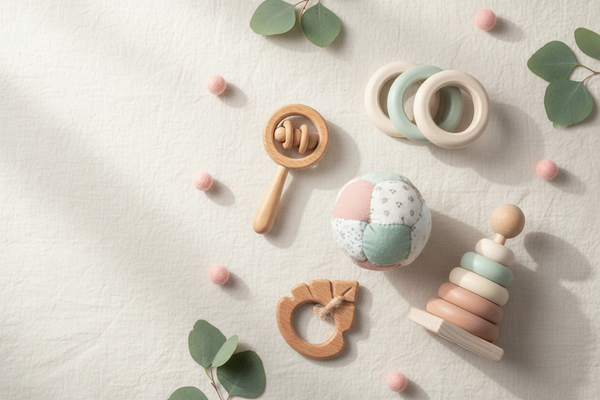
From textured blocks and fidget tools to weighted objects (like lap pads or simple heavy cushions) and playdough, sensory toys provide controlled, predictable sensory experiences. Studies indicate that appropriate sensory input can improve concentration, reduce anxiety, and even facilitate communication. Simple wooden toys offer tactile feedback, while activity kits with sand or water play can provide calming, repetitive motions.
Developmental Toys for Autistic Children: Building Core Skills
When selecting developmental toys for autistic children, the focus should be on building foundational skills in a supportive, engaging way. These toys often target fine motor skills, cognitive development, language acquisition, and social interaction, all within a predictable structure that children on the spectrum thrive on.
Co-play and Communication: Bridging Gaps with Intentional Toys
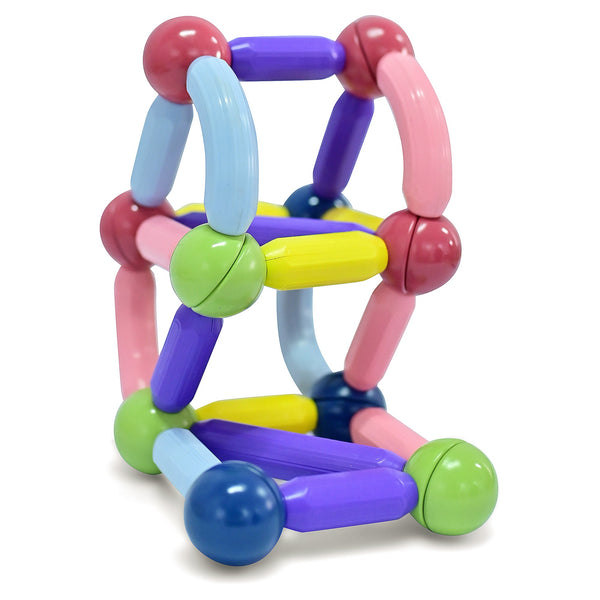
Engaging in co-play with your child using well-chosen toys can be a powerful catalyst for communication and connection. As The Times of India recently highlighted, parents can make digital time more meaningful through co-play, and the same applies to physical toys. Simple turn-taking games, puzzles, or building blocks encourage shared attention and interaction. When a child sees a parent genuinely engaged, mirroring their actions or responding to their vocalizations, it builds a bridge for communication. Even repetitive actions, when shared, can become a moment of connection, echoing the idea of a trusted ally as Shruti Haasan describes Kamal Haasan – someone who understands and supports individual growth.
Look for toys that encourage: fine motor skills (e.g., threading beads, knobbed puzzles from 1-3 years age toys), cognitive development (e.g., shape sorters, sequencing cards), and language development (e.g., picture cards, animal sound puzzles). The satisfaction of completing a task or mastering a skill through these toys significantly boosts a child's self-esteem and willingness to learn more.
Choosing the Right Toy: A Guide for Indian Parents
Selecting the ideal educational toy for an autistic child is highly individual. It's not about finding the 'best' toy, but the 'best for your child's specific needs and interests.' Child development experts recommend observing your child closely: What textures do they prefer? Do they enjoy repetitive motions? Are they drawn to bright colours or calmer tones? Their unique preferences are your best guide.
Prioritise open-ended toys that allow for various forms of play, rather than those with single functions. Simple wooden blocks, for instance, can be stacked, sorted, used for imaginative play, or even integrated into sensory bins. The non-obvious insight here is that the 'boring' toy often demands more imagination from the child, fostering deeper cognitive and creative development than an over-stimulating electronic toy. Always choose durable, non-toxic materials, ensuring they are safe for your child's explorations. Remember, the most impactful toy is often the one that your child chooses to engage with repeatedly, providing them comfort, predictability, and opportunities for growth.