Educational Toys for Life Skills: Indian Parent's Guide
When Indian parents seek to empower their children with crucial real-world abilities, educational toys for life skills emerge as indispensable tools for holistic development. These carefully designed materials enable children to master essential tasks, fostering independence, concentration, and a profound sense of accomplishment. SkilloToys helps you find the right toys to build these foundational capabilities in your child.
What are Practical Life Skills? Practical life skills are fundamental, purposeful activities that help children adapt to their environment and care for themselves and others. This matters because they build coordination, independence, and self-confidence. Indian parents can integrate these skills into daily routines using specific toys and activities.
Why Practical Life Skills Matter for Indian Children Today
In the vibrant tapestry of Indian family life, children have traditionally learned practical skills by observing and participating alongside elders. The recent Google News article highlighting how children learn vital skills by grocery shopping with parents underscores this timeless truth: hands-on experience is paramount. Today's parents, often navigating urban demands and academic pressures, are increasingly selective about what truly benefits their children, moving beyond rote learning to embrace a holistic approach, as noted by 'The New Indian parent' trend.
Research consistently shows that developing practical life skills from a young age significantly boosts a child's confidence, concentration, and executive function. For a 4-year-old like Aarav in Bengaluru, helping his grandmother sort pulses for dinner isn't just a chore; it's an exercise in fine motor control, pattern recognition, and contributing to the family, fostering a sense of belonging and capability. Child development experts agree that these early experiences lay the groundwork for self-reliance and academic success.
Montessori Practical Life Toys India: The Philosophy in Action
The Montessori method, championed by Maria Montessori, places practical life activities at the core of early childhood education. This approach resonates deeply with the Indian ethos, where children are often encouraged to participate in household rituals and tasks. Montessori practical life toys India are designed to be self-correcting, allowing children to learn through discovery and repetition, much like learning to fold a dupatta or arrange items for a pooja.
These activities are not mere play; they are purposeful work that helps children refine their movements, develop focus, and coordinate their thoughts with actions. Whether it's pouring water from a small jug without spilling, buttoning a shirt on a dressing frame, or sweeping a small area with a child-sized broom, each task builds independence and a profound connection to their immediate environment. This focus on practical learning supports a child's natural drive to 'do it myself', fostering critical toys for independence skills within the comforting embrace of home, often with guidance from parents and grandparents.
Toys for Independence Skills: Early Years (0-3 Years)
For our youngest learners, the focus is on sensory exploration and mastering basic motor skills. Around 18-24 months, a toddler like Pari in a Mumbai apartment might be fascinated by transferring objects from one bowl to another. Simple tools like large wooden spoons and bowls are perfect for this. These activities, often found in toys for 0-1 year and toys for 1-3 years, build foundational fine motor control and concentration.
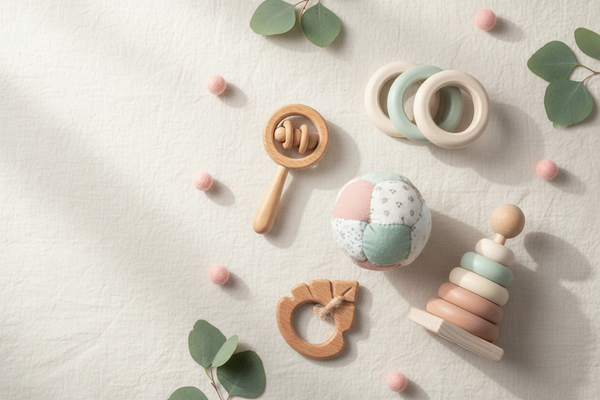
Consider introducing stacking rings, large block puzzles, or even a small pitcher for pouring water (starting with rice or beads for easier cleanup). The satisfying clunk of one wooden block landing on another, or the intense focus as they try to fit a shape, are crucial steps in their life skills development for kids. These seemingly simple toys provide endless opportunities for repetition, which is how young children consolidate learning and build confidence in their abilities.
Life Skills Development for Kids: Preschool & Early School (3-6+ Years)
As children grow, their practical life skills evolve to include more complex sequences and self-care routines. For a 4-year-old, learning to button their own kurta or zip up their backpack represents a huge leap in independence. This is where toys for 3+ years, especially those focusing on fine motor precision, become invaluable.
Think about lacing beads, cutting activities with child-safe scissors, or even a child-sized sweeping set. These tools help refine hand-eye coordination and strengthen small muscles. A child who helps set the dining table by carefully placing spoons or helping fold napkins is not just assisting; they are actively engaging in purposeful work that enhances their spatial awareness and sense of contribution. SkilloToys offers a range of wooden toys and activity kits that support these growing capabilities.
Choosing Practical Learning Toys India: A SkilloToys Guide
When selecting practical learning toys India for your child, look for materials that are purposeful, child-sized, and made from natural, durable materials. The best toys don't entertain passively; they invite active engagement and exploration. For instance, a child-sized duster or a small watering can allows a child to genuinely participate in household care, transforming everyday tasks into exciting learning opportunities.
SkilloToys is committed to offering a curated selection of Montessori method learning materials and toys that nurture these vital life skills. Remember, the goal isn't just to teach a skill, but to foster a child's inner drive for competence and independence. Observing your child's interests and readiness is key. If your little one shows curiosity about washing vegetables or helping with dishes, provide a step stool and child-friendly tools to support that budding interest, rather than shutting it down. This simple act can transform their learning journey.
Empowering your child with practical life skills is one of the most profound gifts you can offer. It's about building capable, confident individuals who feel connected to their home and community. Start small tonight: involve your child in clearing their plate after dinner, or let them help put away their shoes. These moments are where true learning and independence blossom.