Telugu Letters with Pictures: SkilloToys Learning Guide
Finding effective ways to introduce your child to telugu letters with pictures is a top priority for many Indian parents today. The key to successful early language learning lies in engaging, multi-sensory educational toys that transform abstract symbols into tangible experiences. SkilloToys, India's leading Montessori educational toy store in Bengaluru, provides a curated selection of materials designed to make learning the Telugu alphabet not just easy, but truly enjoyable for young minds.
Many Indian families, whether living in bustling metros or smaller towns, recognize the importance of preserving cultural heritage through language. As the new Indian parent becomes more selective about every aspect of their child's development, choosing the right tools for regional language acquisition becomes crucial. This guide helps you navigate the options to foster a genuine love for Telugu.
What is Multi-Sensory Telugu Letter Learning?
Multi-sensory Telugu letter learning is an educational approach that involves seeing, hearing, touching, and sometimes even moving, to understand the unique shapes and sounds of the Telugu alphabet. This matters because engaging multiple senses creates stronger neural pathways, making letter recognition and recall far more effective than simply looking at flashcards. Indian parents can actively support this by providing hands-on materials that invite exploration.
Why Rote Memorization Falls Short for Telugu Language Acquisition
In many Indian homes and even some traditional schools, the initial approach to language often involves rote memorization—endless repetition of letters without deeper engagement. However, research consistently shows that this method often leads to superficial understanding and disinterest, especially for complex, phonetic scripts like Telugu. Children might learn to parrot letters, but they struggle with application and lose the joy of discovery.
This challenge is particularly relevant today, amidst calls for child-centric education, echoing sentiments about judicial parenting and child safety. Forcing rote learning can create unnecessary pressure, dampening a child's natural curiosity. Instead of being a source of stress, learning Telugu should be an enriching experience that connects them to their roots, whether they are part of a joint family in Hyderabad or a nuclear family in Chennai.
The Montessori Advantage: Engaging All Senses with Telugu Alphabet Toys
Maria Montessori's philosophy, centered on active, self-directed learning, offers a powerful alternative. Her approach to language learning emphasizes concrete, tactile experiences before abstract concepts. For instance, Montessori materials like sandpaper letters allow a child to trace the letter form with their finger, feeling its shape while simultaneously seeing and hearing its sound. This three-pronged sensory input solidifies the learning process, building a robust foundation for reading and writing.
This method is particularly effective for telugu alphabet toys because it breaks down the complex script into manageable, tactile units. The satisfying tactile feedback of tracing each curve and line of a Telugu letter helps children internalize its form in a way that passive viewing cannot. Studies by educational psychologists confirm that tactile learning significantly improves memory retention, especially for younger children.
Choosing the Right Educational Games Telugu for Every Age
Selecting age-appropriate materials is crucial for keeping your child engaged and challenged, not overwhelmed. Here's a guide to what works best at different stages:
18-24 Months: Early Exposure to Sounds and Shapes
Even before formal letter recognition, you can lay the groundwork. Focus on auditory exposure through traditional Telugu rhymes and songs. Introduce simple visual cues with colorful picture cards featuring everyday objects whose names start with Telugu sounds. Simple age-appropriate wooden toys that encourage shape sorting also indirectly develop the visual discrimination skills needed for letter recognition.
2.5-4 Years: Tactile Exploration with Telugu Alphabet Toys
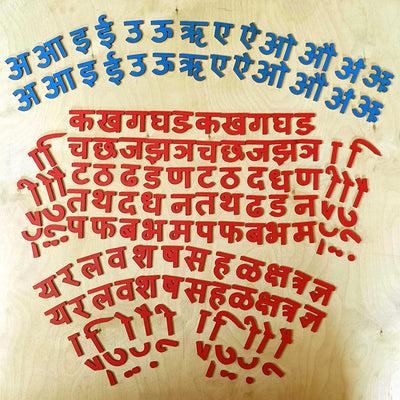
This is the ideal window for introducing concrete telugu alphabet toys. Montessori sandpaper letters are excellent here; your child traces the rough letter with their finger, saying its sound. Consider sturdy wooden puzzles where each piece is a Telugu letter, prompting them to match shapes and fit them into their correct slots. For instance, little Aarav in Bengaluru might spend his afternoon tracing 'అ' (a) and 'ఆ' (aa) repeatedly, giggling with delight as he masters each stroke.
4-6 Years: Building Words and Sentences with Montessori Telugu Materials
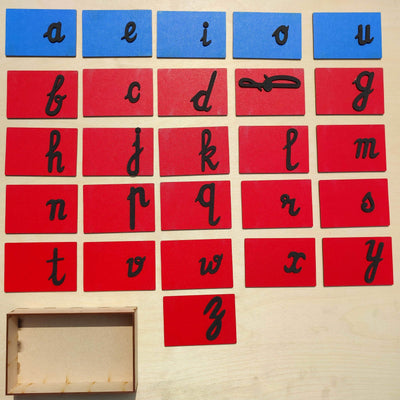
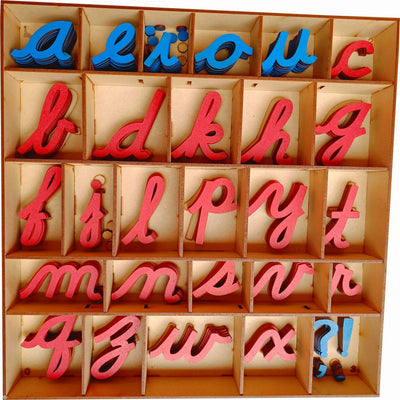
Once individual letters are familiar, the focus shifts to combining them. Movable alphabets, a cornerstone of Montessori Telugu materials, allow children to construct words and short sentences. They can choose letters to spell out words they hear, like 'అమ్మ' (Amma) or 'నీళ్ళు' (Neellu), or match letters to picture cards. Interactive activity kits that encourage storytelling using Telugu words further enhance comprehension and vocabulary, preparing them for formal schooling.
Fostering a Love for Telugu: Beyond Just Letters
Learning a language is more than just recognizing its script; it's about connecting with a culture. Integrate Telugu into daily life through storytelling, celebrating festivals with traditional songs, and involving grandparents in language activities. For DINK couples, where traditional cultural transmission might be less organic, intentional efforts with engaging toys become even more vital in maintaining that connection to their heritage.
The new Indian parent understands that holistic development includes cultural rootedness. This isn't just about academic advantage; it's about identity. Child development experts agree that children who are fluent in their mother tongue tend to develop stronger literacy skills overall and a greater sense of belonging. Tonight, challenge your 4-year-old, like Meera from Chennai, to point out three Telugu letters on a storybook page, making it a playful, no-pressure discovery.
SkilloToys is committed to supporting your child's journey into the rich world of Telugu. Our carefully selected educational toys provide the foundation for a joyful, confident engagement with the language, ensuring that the vibrant heritage of Telugu continues to thrive through the next generation.