Toys for Child Independence India: Beyond 'Owned Assets'
A recent national conversation sparked by a Gurugram CEO's critique of Indian parenting, suggesting children are sometimes "treated like owned assets," resonates deeply with many. This candid observation invites us to re-evaluate how we nurture autonomy. Investing in the right toys for child independence India offers a powerful, tangible way for parents to foster self-reliance and respect from an early age.
Child independence and respect in the Indian context is the capacity for children to make age-appropriate choices and engage in self-directed activities, while understanding their role within the family and community. This approach helps them build internal discipline and self-worth, crucial for thriving in our diverse society.
Montessori Toys for Child Autonomy India: Nurturing Self-Worth Through Play
The Montessori philosophy, founded by Dr. Maria Montessori, inherently champions the child's right to self-directed learning and respect. It offers a powerful antidote to the "owned assets" mindset by recognizing each child as a unique individual with an innate drive to learn and explore. When children choose their own activities, focus intently, and correct their own errors, they internalize their competence.
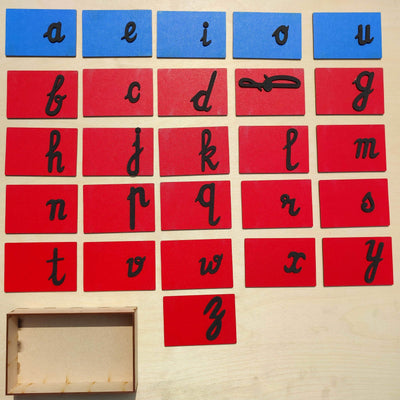
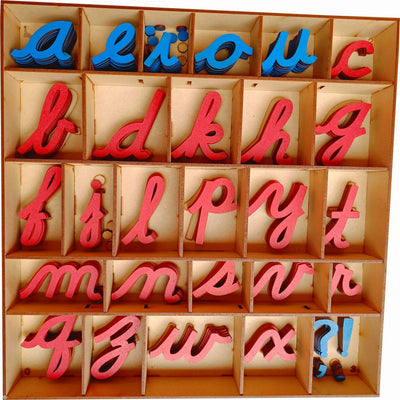
Montessori materials, such as the Pink Tower or practical life dressing frames, are designed for self-correction. A child attempting to stack a tower will immediately see if a block is out of place, learning directly from the material without adult intervention. This process fosters not just problem-solving but a profound sense of achievement and self-worth, empowering them to take charge of their learning journey.
Empowering Play for Indian Kids: Beyond Just Academics
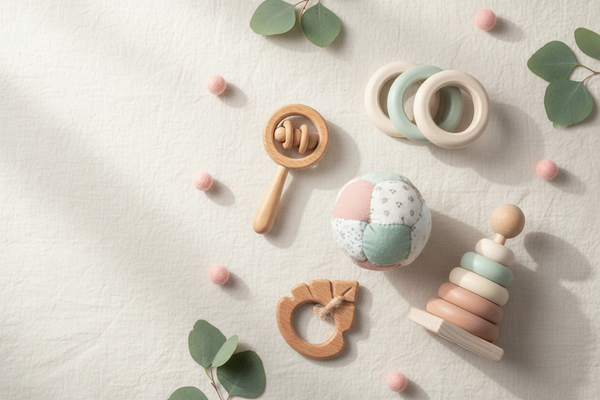
In many Indian homes, particularly in urban centres like Bengaluru, the focus often shifts early to academic achievement. However, child development experts agree that truly empowering play builds foundational skills far beyond rote learning. When a 3-year-old like Aarya in a Bangalore joint family is given a set of age-appropriate wooden blocks, she isn't just playing; she's experimenting with gravity, balance, and spatial reasoning. The satisfying clunk of one block landing on another, the frustrated grunt when the tower falls, the delighted shriek when it stays up – these are all moments of deep learning.
These experiences teach resilience and the joy of discovery, qualities that fuel a lifelong love for learning, rather than just chasing grades. Research consistently shows that children engaged in self-directed, purposeful play develop stronger problem-solving skills and a greater sense of self-efficacy than those primarily involved in structured, adult-led activities.
Fostering Independence with Toys India: Practical Life & Problem-Solving
The idea of children contributing to the household is deeply ingrained in Indian culture, often seen in small chores assigned by grandparents. Educational toys can mirror this by providing opportunities for practical life skills. For instance, a simple wooden puzzle or a set of lacing beads doesn't just develop fine motor skills; it teaches patience, sequencing, and the satisfaction of completing a task independently.
Think of a five-year-old Raghav, diligently sorting his colourful beads or completing a shape sorter. He is building concentration and decision-making abilities that are crucial for managing future responsibilities, whether it's organizing his school bag or helping with a family puja. These hands-on activities, often found in Montessori-inspired activity kits, cultivate a sense of order and personal responsibility for one's environment and actions.
Respectful Parenting Educational Toys: Cultivating Empathy and Responsibility
Respectful parenting extends to how children interact with their environment and others. Toys that encourage collaborative play, like building sets where multiple children can contribute, teach empathy and sharing within a joint family setting or with friends. Role-play props, such as miniature kitchen sets, allow children to mimic daily household chores, fostering an understanding of communal effort and respect for the work involved.
When a child is allowed to choose their play materials, use them purposefully, and then put them back in their designated place, they are practicing respect for their belongings and their play space. This simple act, reinforced by consistent availability of Montessori learning materials, helps them understand the value of care and order, extending beyond just toys to personal belongings and shared family spaces.
The Long-Term Impact: Confident Indian Children Leading Their Own Learning
Moving beyond the "owned assets" mindset means recognizing our children as capable, autonomous beings. By thoughtfully selecting educational toys that foster independence and respect, parents can cultivate intrinsically motivated, resilient, and emotionally intelligent children. These are the children who will confidently navigate the complexities of modern India, making their own choices and contributing meaningfully to their families and communities.
Encouraging this journey doesn't require grand gestures, but consistent, small opportunities for self-direction. Tonight, observe how your child naturally engages with their surroundings. Instead of directing, offer choices and watch as they build their world, one independent decision at a time. Explore thoughtful gifts that foster this autonomy from our curated collection, designed to empower every child.