Toys for Independent Play India: Fostering Autonomy
The recent comments from a Gurugram CEO, widely reported by NDTV, questioning whether Indian children are treated like 'owned assets' have sparked a crucial national conversation. At SkilloToys, we believe that empowering children with true individuality and independence begins with thoughtful play, right from their earliest years. Providing toys for independent play India offers a direct, powerful antidote to this 'owned assets' mindset, fostering self-reliance and personal agency.
This isn't just about buying toys; it's about intentionally shaping an environment where children are respected as capable individuals. By offering tools that encourage self-directed learning and autonomy, we help them build a strong sense of self, preparing them for a future where critical thinking and personal conviction are paramount.
What Does "Fostering Individuality" Mean in an Indian Context?
Fostering individuality in children means nurturing their unique personalities, interests, and decision-making abilities, allowing them to develop a strong sense of self separate from family expectations. This matters because it equips children to navigate complex social dynamics, make informed choices, and pursue their passions, rather than solely conforming to pre-defined paths. Indian parents can actively support this by providing opportunities for self-expression and independent exploration at home.
In many Indian homes, particularly within joint families, the line between collective well-being and individual identity can sometimes blur. While respect for elders and family harmony are vital cultural pillars, ensuring a child's voice is heard and their choices are valued is equally important. This balance allows children to appreciate their heritage while developing their unique perspective, crucial for emotional resilience and mental health, as highlighted by initiatives like '15-Minute Parenting Ritual to Reconnect With Kids' from The Better India.
Montessori Toys for Autonomy: A Powerful Response to the 'Owned Assets' Debate
The Montessori philosophy, founded by Dr. Maria Montessori, is inherently designed to cultivate a child's inner drive for independence and autonomy. It posits that children are naturally curious and capable, thriving in a 'prepared environment' where they are free to choose their activities and learn at their own pace. This approach directly challenges any notion of children as passive recipients or 'owned assets,' instead positioning them as active constructors of their own knowledge.
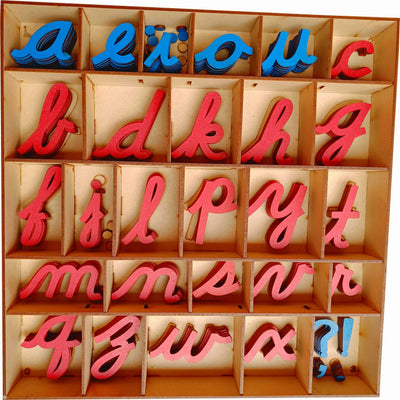
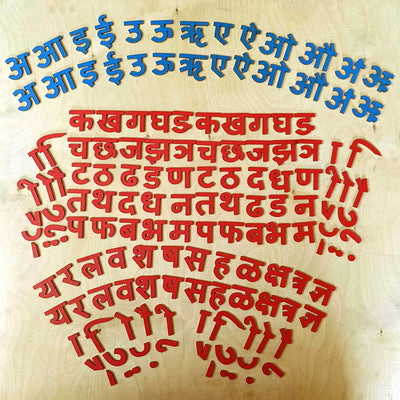
Montessori toys are not merely playthings; they are carefully designed learning materials that encourage self-correction, concentration, and fine motor development. For instance, a child working with a dressing frame or a Montessori sorting activity learns through doing, without needing constant adult intervention. This process builds profound self-confidence and a deep sense of accomplishment.
Child-Led Play Toys India: Empowering Exploration from an Early Age
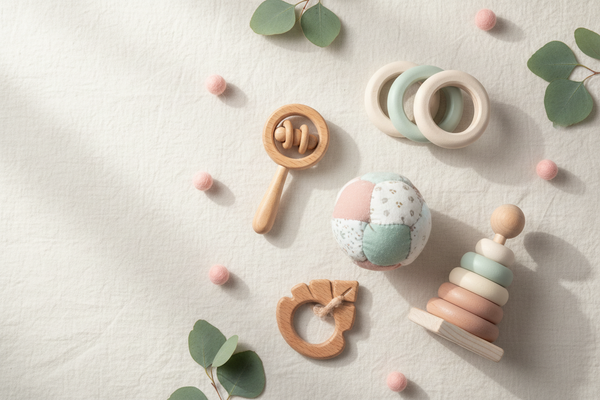
True independence blossoms when children are given the freedom to lead their own play. For toddlers aged 1-3 years, this might mean exploring a wooden block set, stacking them high, or discovering how different shapes fit together in a sorter. These child-led play toys India allow a child to experiment, fail, and succeed on their own terms, developing problem-solving skills organically.
As children grow into the 3-6 years age band, this translates into more complex open-ended play. Perhaps they are building elaborate structures, engaging in imaginative role-play with simple props, or working on intricate puzzles. The key is that the child initiates, directs, and concludes the activity, fostering internal motivation rather than external reward.
Educational Toys for Self-Reliance: Building Competence, Not Compliance
To truly counter the idea of children as 'owned assets,' we must equip them with tools that build genuine competence and self-reliance. Educational toys that encourage sequential thinking, logical reasoning, and perseverance are invaluable in this regard. These aren't just for academic skill-building, but for life skills.
Research by the American Academy of Pediatrics highlights that self-directed play is crucial for developing executive function skills like planning, problem-solving, and self-regulation. Toys such as lacing beads, pattern blocks, or activity kits that involve a series of steps allow children to practice these vital cognitive abilities. They learn to follow instructions (their own, or implied by the material), correct their mistakes, and complete a task, fostering a sense of mastery.
Cultivating Personal Agency with Toys that Foster Individuality in Kids
The toys we provide can either reinforce conformity or celebrate uniqueness. Toys that foster individuality in kids are those that invite open-ended interpretation and creative expression. Think beyond toys with single 'right' answers; consider materials that can be used in countless ways, adapting to a child's evolving interests and imagination.
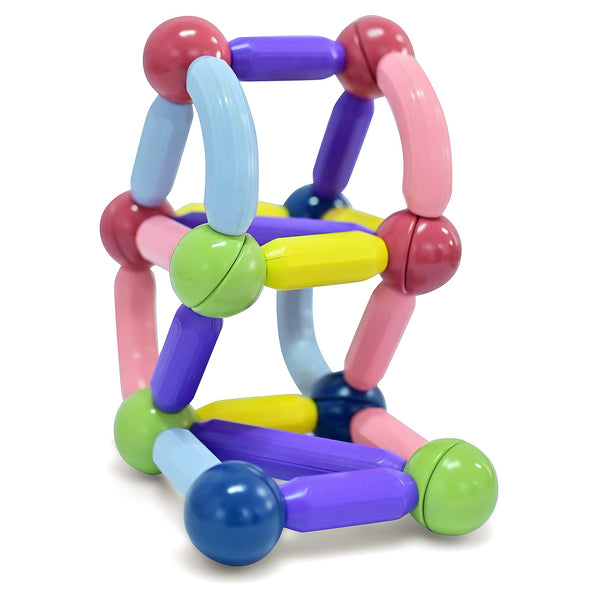
For instance, simple art supplies, magnetic tiles, or construction sets allow children to manifest their unique visions. In a bustling Indian home, where space might be shared, these toys offer a personal creative outlet, a small corner where a child can express their singular perspective without judgment. This empowers them to think innovatively and trust their own ideas.
Creating a Prepared Environment: Beyond Just Buying Toys
Fostering independence extends beyond the toy box. It involves creating a 'prepared environment' at home, one that supports exploration and autonomy. This means making toys accessible on low shelves, having a dedicated (even if small) play area, and, crucially, trusting your child's capabilities. Grandparents, who often play a significant role in Indian households, can be wonderful allies in this, encouraging children to try things on their own before stepping in to help.
Observe your child: what captures their attention? What challenges do they eagerly undertake? By tuning into their cues, you can provide the right balance of support and freedom. Just as parents might thoughtfully choose meaningful names for their children, like those explored in articles about 'The best Indian baby names for parents raising kids in the US', we can thoughtfully choose play experiences that shape their core identity.
Ultimately, nurturing individuality and independence in our children is about respecting their inherent worth and potential. By thoughtfully selecting educational toys that encourage self-reliance and creating an environment where their choices are valued, we move away from any notion of 'owned assets.' Instead, we raise confident, capable individuals ready to contribute their unique light to the world, one independent play session at a time.