Creating a Montessori-Inspired Natural Play Environment
Creating a Montessori-inspired natural play environment in an Indian home involves intentionally curating spaces with thoughtfully chosen wooden educational toys that encourage independence and discovery. Research shows such environments significantly support holistic child development, moving beyond clutter to purposeful learning, and are crucial for cognitive growth in young children. This guide will walk you through setting up such a space, whether you live in a bustling joint family home or a modern apartment.
For eco-conscious Indian parents prioritizing quality over quantity, investing in such an environment means fostering a love for learning that extends far beyond the classroom. It's about providing a sanctuary for exploration, free from the overwhelming plastic and digital distractions often found in modern childhoods.
What is a Montessori-Inspired Natural Play Environment?
A Montessori-inspired natural play environment is a thoughtfully prepared space designed to foster a child's innate curiosity, independence, and concentration using natural, open-ended materials. This matters because it cultivates self-directed learning and holistic development. Indian parents can create such spaces even in compact homes, offering their children a valuable alternative to plastic and digital distractions.
Why Choose a Natural Play Environment for Your Indian Home?
In an era saturated with plastic toys and screen time, Indian parents are increasingly seeking sustainable alternatives that nurture true development. The growing awareness, highlighted by initiatives like 'Christmas Gifts for Kids: 10 Indian Brands Making Thoughtful, Sustainable Toys', underscores a collective shift towards mindful consumption and child-centric design. A natural play environment provides this essential foundation.
Child development experts agree that environments rich in natural materials enhance sensory perception, problem-solving skills, and creativity. Unlike rigid, single-purpose plastic toys, open-ended wooden toys engage multiple senses, encouraging children to think critically and imaginatively. This approach fosters deep engagement over superficial amusement.
For Indian homes, where space can be a premium and joint families often share living areas, a natural play environment reduces clutter and promotes focused play. It transforms a corner into a calm learning zone, offering a tranquil escape from academic pressures and digital noise that can often overwhelm children.
Key Principles for a Montessori Play Space
A successful Montessori play space is built upon foundational principles that empower the child.
Maria Montessori championed an ordered environment where everything has its place, making it easy for a child to choose, use, and return materials independently. This sense of order cultivates respect for their surroundings and builds intrinsic self-discipline, which is invaluable as they grow.
Children thrive when given choices, but within safe and structured boundaries. This means presenting a limited selection of high-quality items rather than overwhelming them with too many options. This 'freedom within limits' encourages deep concentration and prevents decision fatigue, fostering a sense of accomplishment.
Beauty and nature create a calming aesthetic that invites concentration. Natural materials, muted colours, and simplicity are paramount. Incorporating elements like plants, stones, or simple wooden decorative items further grounds the space in nature, connecting the child to the wider world around them.
Curating Your Wooden Educational Toys for Home
Selecting the right wooden educational toys is central to building a natural play environment. The focus should be on toys that are open-ended, durable, and developmentally appropriate, mirroring the ethos of thoughtful Indian brands creating 'Toy-tally Indian' products. These toys are not just for amusement; they are tools for development.
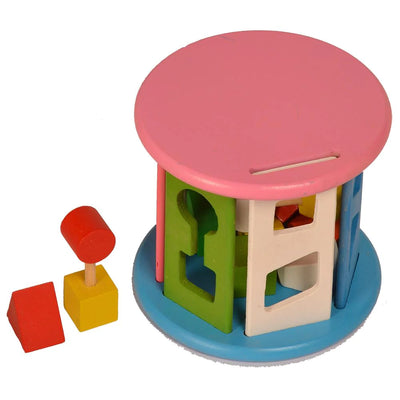
For instance, open-ended wooden blocks encourage imaginative construction and spatial reasoning, while simple wooden puzzles refine fine motor skills and problem-solving abilities. These foundational materials lay the groundwork for more complex learning, appealing to a child's innate drive to manipulate and understand their world.
Introducing practical life materials like a child-sized broom or a pouring activity set, or sensorial materials such as the Montessori pink tower or sandpaper letters, provides concrete learning experiences. These items, made from natural wood, directly engage a child’s senses and build practical skills crucial for independence. Studies indicate that children engaged with natural materials exhibit longer attention spans and deeper cognitive processing compared to those with synthetic toys.
When choosing, prioritize solid, untreated wood that is safe for children and built to last through generations of play. This commitment to quality over quantity ensures that each toy contributes meaningfully to your child’s growth without contributing to plastic waste.
Designing an Eco-Friendly Play Area in Indian Homes
Designing an eco-friendly play area in Indian homes requires creativity and an understanding of diverse living situations. Whether it’s a dedicated corner in a bustling living room or a shared space with grandparents, adaptability is key. The goal is to create an inviting and accessible zone for the child.
Utilize low shelves that allow children to easily access and return their chosen items, promoting independence. Natural light is essential; position the play area near a window if possible. Incorporate floor seating or low cushions to encourage comfortable, sustained engagement. Even small elements, like a plant in a child-safe pot or a small basket of natural treasures collected during a family walk, can enhance the natural feel.
Consider rotating toys to keep the environment fresh and engaging, rather than displaying everything at once. This strategy, suitable for homes with limited space, allows children to delve deeper into specific materials. Integrate the play area seamlessly into family life, perhaps with materials that can be easily stored away for festivals or family gatherings, and brought out again for focused play.
Fostering Child-Led Learning in Your Montessori Play Space
A Montessori-inspired natural play environment is not just about the toys; it's about the philosophy of child-led learning. This means allowing children to choose their activities, work at their own pace, and repeat tasks as often as they need, with the adult acting as a respectful observer and guide.
Parents become facilitators, preparing the environment and then stepping back to allow the child to explore. Observe your child’s interests and needs to guide your choice of materials and the arrangement of the space. This fosters a deep sense of self-motivation and concentration, crucial for long-term learning.
This approach empowers children to become active participants in their own development, fostering problem-solving skills and a strong sense of agency. By trusting in their innate curiosity and providing the right tools, parents can nurture confident, independent learners ready for the challenges of school and life.
Creating a Montessori-inspired natural play environment with wooden educational toys is one of the most thoughtful gifts an Indian parent can give their child. It’s an investment in their holistic development, offering a serene, stimulating space where they can thrive independently, explore naturally, and learn joyfully, preparing them for a future where adaptability and creativity are paramount.
- Montessori environments foster independence and concentration through intentional order and accessibility.
- Wooden educational toys are crucial for sensory development, problem-solving, and imaginative play in children.
- Natural play spaces enhance cognitive skills and attention spans, offering an alternative to screen time.
- Even small Indian homes can be transformed into effective, stimulating child-led learning environments.
- Child-led learning respects a child's innate drive for discovery and builds self-motivation.
- Prioritizing quality, eco-friendly materials supports holistic child development and reduces environmental impact.