Educational Toys: A Guide to Wooden Montessori Play
Choosing and effectively using educational toys is fundamental for nurturing a child's holistic development, fostering skills that extend far beyond early learning. This guide provides eco-conscious Indian parents with a practical, Montessori-inspired approach to selecting wooden educational toys that truly support growth.
What are educational toys? Educational toys are materials specifically designed to stimulate learning, encourage development, and build specific skills through play. This matters because purposeful play forms the bedrock of cognitive, emotional, and physical growth. Indian parents can strategically integrate these toys to enhance their child's natural curiosity and learning journey.
The Enduring Appeal of Wooden Educational Toys in Indian Homes
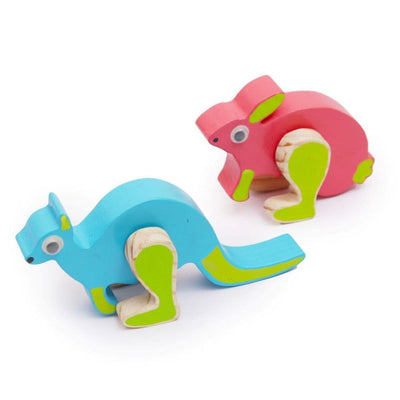
In a world increasingly dominated by plastic, the enduring charm and robust nature of wooden educational toys offer a refreshing, sustainable alternative. For Indian families, where durability and quality are highly valued, wooden toys represent a wise investment. They withstand generations of play, often becoming cherished heirlooms passed down through joint families.
Research shows that the natural textures and weight of wooden toys provide a rich sensory experience that plastic simply cannot replicate. This aligns with the growing trend of thoughtful, sustainable toys from Indian brands, as highlighted by publications like The Better India and The New Indian Express. Brands like Gubbachhi and Smol Block are leading the way, crafting toys rooted in Indian identity and promoting eco-conscious play.
Key Principles for Choosing Montessori Educational Toys
Maria Montessori's philosophy emphasizes child-led learning with purposeful, high-quality materials. When selecting Montessori educational toys, focus on simplicity, a single skill focus, and age-appropriateness. These characteristics ensure the toy supports specific developmental milestones without overwhelming the child.
Child development experts agree that toys which encourage active engagement, rather than passive entertainment, are most beneficial. Look for toys that isolate a specific concept, allowing the child to concentrate and master one skill at a time. This fosters independence and a deep understanding.
Selecting the Best Educational Toys for Kids at Different Stages
Understanding your child's developmental stage is crucial for choosing the best educational toys for kids. Each age brings new curiosities and capabilities that specific toys can perfectly complement. Studies indicate that toys matched to a child's developmental zone maximize engagement and learning outcomes.
- Infants (0-12 months): Opt for simple, graspable wooden rattles or clutching toys that stimulate senses and develop early motor skills.
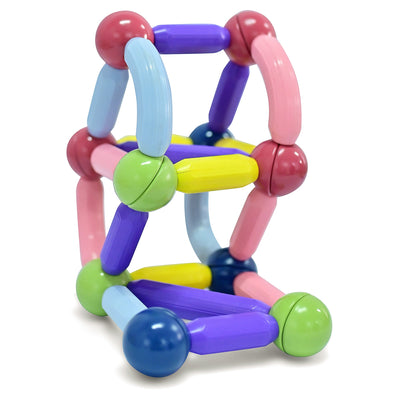
- Toddlers (1-3 years): Introduce wooden stackers, shape sorters, and large block sets. These promote hand-eye coordination, problem-solving, and spatial awareness. Many Montessori materials are perfectly suited for this stage.
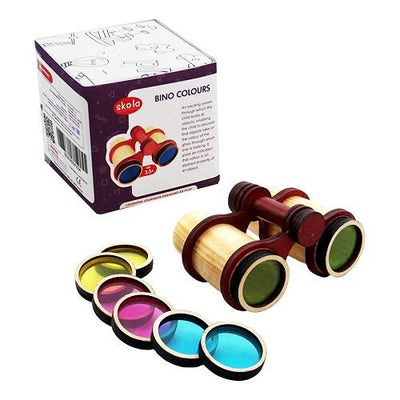
- Preschoolers (3-6 years): Engage them with more complex wooden puzzles, sensorial materials like the Pink Tower, or practical life tools. These foster concentration, fine motor skills, and abstract thinking, preparing them for formal schooling.
Remember, the goal is not to buy many toys, but to select a few high-quality, versatile pieces that encourage genuine exploration and discovery.
Integrating Skill-Building Toys for Holistic Child Development
Once chosen, the effective use of skill-building toys is paramount. Create a 'prepared environment' within your Indian home – a dedicated space where toys are neatly organized, easily accessible, and rotated regularly to maintain interest. This encourages independent play, a cornerstone of Montessori education.
Parents and even grandparents in joint families play a vital role, not as instructors, but as facilitators. Observe your child's interactions with wooden toys, offer assistance only when truly needed, and provide encouragement. This respectful approach empowers children to solve problems independently and develop a strong sense of self-efficacy.
Beyond the Playroom: Life Lessons from Wooden Toys
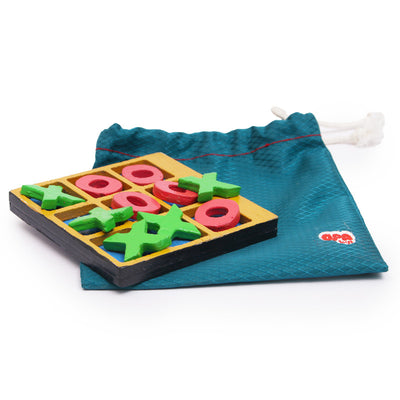
The benefits of wooden educational toys extend beyond just skill acquisition; they instill valuable life lessons. Children learn patience through mastering a puzzle, perseverance by repeatedly stacking blocks, and creativity by transforming simple wooden toys into imaginative worlds. These experiences contribute significantly to a child's emotional and social development.
Moreover, choosing wooden toys inherently teaches children about sustainability and respecting resources. It’s a quiet lesson in valuing craftsmanship and quality over disposable alternatives, a value that resonates deeply within Indian culture.
Making Mindful Choices for Your Child's Future
Investing in quality wooden educational toys from SkilloToys.com means investing in your child's long-term development and a sustainable future. These are not merely playthings but powerful tools for growth, concentration, and discovery. By choosing anti-plastic, eco-aware options, Indian parents make a conscious decision to provide a stimulating, natural, and safe play environment.
Embrace the Montessori-inspired approach to play, focusing on purposeful engagement and holistic development. Explore our collection of skill-building toys and witness the profound impact these carefully crafted wooden educational toys have on your child's learning journey.
- Educational toys are crucial for fostering holistic child development in Indian homes.
- Wooden educational toys offer superior durability, sensory experience, and sustainability compared to plastic alternatives.
- Maria Montessori's principles guide the selection of toys that promote child-led learning and skill isolation.
- Age-appropriate wooden toys are essential for maximizing developmental benefits from infancy through preschool.
- Creating a 'prepared environment' and encouraging independent play with wooden toys enhances concentration and problem-solving.
- Investing in quality wooden toys teaches children about sustainability and craftsmanship, contributing to their emotional and social growth.
What age are Montessori wooden toys suitable for?
Montessori wooden toys are suitable from infancy through early childhood, with specific designs catering to developmental stages from 0-6 years. They are designed to grow with a child, offering new challenges as skills advance.
How do wooden toys support holistic child development?
Wooden toys support holistic development by engaging multiple senses, fostering fine motor skills, encouraging problem-solving, and promoting concentration. Their natural textures and simplicity also connect children to nature and creativity.
Why are Montessori educational toys considered superior?
Montessori educational toys are considered superior because they are purpose-built to encourage self-directed learning, independence, and concentration. They typically isolate one concept or skill, allowing children to master it at their own pace without distraction.
How can I introduce wooden educational toys into my child's playroom?
Introduce wooden educational toys by creating a 'prepared environment' where toys are accessible, organized, and rotated periodically. Present one toy at a time, demonstrating its intended use, then allow the child to explore independently.
Are wooden toys sustainable and eco-friendly for Indian families?
Yes, high-quality wooden toys are inherently sustainable and eco-friendly, especially when sourced from responsibly managed forests. They are durable, non-toxic, and biodegradable, aligning perfectly with eco-conscious values increasingly embraced by Indian families.