Educational Toys: India's Future is Wooden & Natural Play
As India confidently writes its own vibrant 'Toy Story,' prioritizing indigenous innovation and sustainable practices, educational toys crafted from natural wood are definitively shaping the future of childhood development across the nation. This exciting shift, highlighted by national dialogues around 'Make in India' initiatives, signals a profound move towards thoughtful, enduring playthings over mass-produced plastic. For eco-conscious Indian parents, choosing wooden and natural toys is not just a trend; it's a commitment to a child's holistic growth, cultural roots, and a healthier planet.
What are educational toys? Educational toys are playthings designed to stimulate learning, encourage skill development, and foster cognitive growth through engaging experiences. They are distinct from simple entertainment, focusing on developing specific abilities like problem-solving, fine motor skills, and creative thinking. Indian parents choose them to provide meaningful engagement beyond rote learning.
India's Toy Story: A New Chapter for Conscious Play
The recent MyGov Blogs article, 'To Infinity and Beyond: How India is writing its own Toy Story,' eloquently captures a national momentum: India is consciously shifting its focus in the toy industry. This movement champions local craftsmanship and sustainable production, moving away from a reliance on imported, often plastic, playthings. Publications like The Better India further underscore this trend, spotlighting innovative Indian brands making thoughtful, sustainable toys, reflecting a deeper desire among parents for quality over mere quantity.
This evolving narrative is more than economic; it's cultural. It supports the transformative art of wood toy carvers in places like Varanasi, ensuring traditional skills endure while meeting modern developmental needs. For families in Bengaluru and across India, this means access to toys that are not only safer and eco-friendly but also resonate with local heritage, fostering a sense of pride and connection in play.
The Enduring Value of Wooden Educational Toys India Trusts
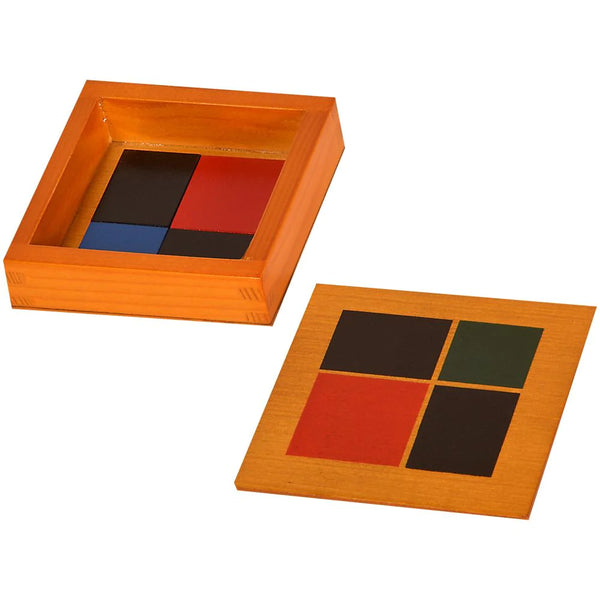
When we talk about wooden educational toys India increasingly embraces, we're talking about a philosophy deeply rooted in principles pioneered by Maria Montessori. Her approach emphasizes hands-on, self-directed activity and collaborative play, with specific materials designed to foster intrinsic learning. Imagine a child engaging with a wooden pink tower, feeling the distinct weight and size of each block, or tracing the texture of sandpaper letters.
These experiences are far richer than those offered by plastic alternatives. Research by institutions like the Harvard Center on the Developing Child highlights the importance of multi-sensory engagement in early learning, which natural wooden toys inherently provide. They enhance fine motor skills, problem-solving, and concentration through tactile, visual, and even auditory feedback (the satisfying clunk of blocks!). As an anti-plastic choice, wooden toys offer peace of mind, free from harmful chemicals often found in synthetic materials, ensuring a safer play environment for children from 18-24 months and beyond.
Cultivating Natural Play India for Future-Ready Minds
The future of play in India isn't about more screens or more complicated electronics; it's about deeper, more meaningful engagement. The true 'smart' toy isn't one that talks or lights up, but one that encourages the child to be smart by requiring them to imagine, create, and solve problems. This is where natural play India champions shines.
A simple set of wooden blocks, for instance, transforms into a bustling market stall in a joint family home, a towering temple, or a busy flyover in Bengaluru. This open-ended play is crucial. Studies from the American Academy of Pediatrics indicate that unstructured, open-ended play is vital for developing executive functions like problem-solving, critical thinking, and self-regulation in young children. Such play is a powerful antidote to the pressures of excessive screen time, offering tangible, creative outlets that grandparents and parents can easily share.
SkilloToys: Guiding India's Children Towards Meaningful Growth
As the Indian toy retail market continues its rapid expansion, SkilloToys remains committed to providing parents with choices that align with their values for quality, sustainability, and educational excellence. We believe in the power of well-crafted, natural toys to shape resilient, imaginative, and capable minds. Our curated collection of Montessori learning materials and wooden toys represents an investment in your child's holistic development, offering tools for genuine growth, not just fleeting amusement.
For parents looking to make a conscious choice, the answer is clear: embrace wooden and natural educational toys. Observe how your child interacts, creates, and learns. Tonight, instead of a screen, introduce a wooden puzzle or a set of building blocks, and watch their imagination build new worlds. This choice is a testament to the enduring appeal and profound impact of thoughtful play on India's future generations.