Educational Toys: Lifetime Skills with Quality Wood
In India, discerning parents are increasingly looking beyond fleeting trends, seeking investments that truly benefit their children's future. The enduring value of educational toys, particularly those crafted from wood, lies in their profound ability to build core skills that last a lifetime. These timeless playthings offer a foundational learning experience, making them a wise choice for families prioritising quality, sustainability, and holistic child development over temporary gratification.
What Defines True Educational Toys?
Educational toys are objects designed to stimulate learning and development through play. This matters because they actively engage a child's mind, fostering cognitive, physical, and social-emotional growth. Indian parents can identify them by their open-ended nature, emphasis on discovery, and alignment with developmental milestones, rather than mere entertainment.
Wooden Educational Toys: An Investment in Holistic Development
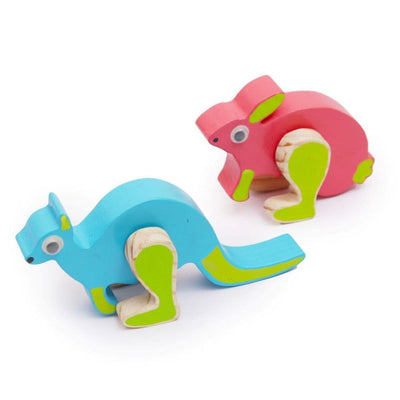
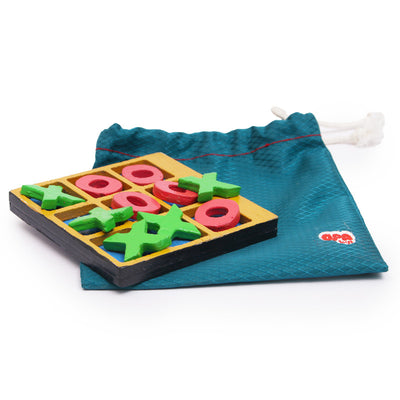
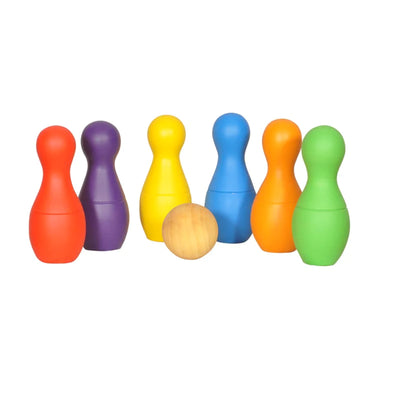
Wooden educational toys are a cornerstone of effective child development, offering unparalleled benefits that plastic alternatives simply cannot match. Research consistently shows that natural materials provide a richer sensory experience, crucial for brain development in early childhood. Unlike mass-produced plastic toys, quality wooden pieces are robust, safe, and often handcrafted, reflecting the dedication seen in brands highlighted in "The Better India" for making thoughtful, sustainable toys.
For eco-conscious Indian families, choosing quality wooden toys aligns with a commitment to environmental stewardship. These durable toys withstand years of enthusiastic play, often becoming cherished heirlooms passed down through generations within joint families, embodying a sustainable ethos that transcends fleeting consumerism. This makes them a true investment in both a child's future and the planet's well-being.
Montessori Skill Development: Laying Foundational Blocks for Life
Maria Montessori's profound philosophy on child development champions self-directed learning through purposeful activity. Montessori skill development, facilitated by specific wooden materials, provides children with concrete experiences essential for abstract thought. Items like the Pink Tower help children understand dimension, while Sandpaper Letters introduce tactile phonics, building foundational literacy skills long before formal schooling begins.
Child development experts agree that such hands-on engagement fosters concentration, problem-solving, and independence – skills invaluable for navigating India's competitive academic landscape. By engaging with these Montessori learning materials, children develop a deep understanding of concepts, preparing them not just for school but for lifelong learning. This focused, self-paced interaction promotes genuine curiosity and a love for discovery, making them true long-term learning toys.
Beyond Playtime: Nurturing Cognitive & Creative Growth
The simplicity of wooden toys often belies their profound impact on a child's cognitive and creative development. Unlike battery-operated toys that dictate play, wooden blocks, puzzles, and figures encourage open-ended exploration and imaginative storytelling. This fosters critical thinking, as children must devise their own scenarios and solutions, strengthening neural pathways.
Studies indicate that children engaged in imaginative play develop superior language skills, emotional intelligence, and problem-solving abilities. In Indian homes, where storytelling and collaborative play with siblings and grandparents are cherished, these versatile wooden toys become catalysts for shared experiences, transforming simple playtime into rich opportunities for child development benefits that extend far beyond mere entertainment.
Quality Wooden Toys India: A Sustainable Choice for Future Generations
For Indian parents, the choice of toys reflects values. Investing in quality wooden toys India means choosing products that are safe, non-toxic, and ethically sourced. Brands like Gubbachhi, as highlighted by "The New Indian Express," are creating toys rooted in Indian identity, offering culturally relevant and sustainable options that resonate deeply with families.
These robust toys are designed to endure, resisting breakage and outliving their plastic counterparts, thereby reducing waste and promoting sustainable living. This focus on durability and craftsmanship ensures that each toy remains a valuable resource, capable of sparking joy and learning for many children over many years, a testament to thoughtful consumption in an increasingly plastic-filled world.
- Wooden educational toys build essential core skills for a child's lifetime.
- Montessori-inspired wooden toys foster concentration, independence, and problem-solving.
- Natural wooden materials provide superior sensory experiences compared to plastic.
- Investing in quality wooden toys aligns with eco-conscious parenting and sustainability goals.
- Wooden toys encourage open-ended, imaginative play crucial for cognitive and creative development.
- Durable wooden toys are a cost-effective, long-term investment that can be passed down through generations.
Are wooden educational toys truly better than plastic ones?
Yes, wooden educational toys are demonstrably superior due to their durability, natural feel, and often open-ended design. They offer a richer sensory experience and are a more sustainable, eco-friendly choice for conscientious Indian families.
How do Montessori toys aid long-term learning?
Montessori toys are specifically designed to promote self-directed, hands-on learning, which fosters concentration, problem-solving, and independence. This approach builds a strong foundation for cognitive development and academic success over a lifetime.
What core skills do wooden toys help develop?
Wooden toys are instrumental in developing fine motor skills, gross motor skills, cognitive abilities, creativity, problem-solving, and sensory perception. Their simple, tactile nature encourages imaginative play and deeper engagement.
Are quality wooden toys a good investment for Indian parents?
Absolutely. Quality wooden toys are a sound investment because they are built to last, can be passed down through generations, and offer enduring educational value. They align with the Indian ethos of quality over quantity and sustainability.
At what age should children start playing with wooden educational toys?
Children can begin engaging with wooden educational toys from infancy, starting with simple rattles and grasp toys. As they grow, age-appropriate wooden materials can be introduced, supporting developmental milestones from 6 months to 6 years and beyond.