Educational Toys: Natural Wood Fuels Deeper Learning & Creativity
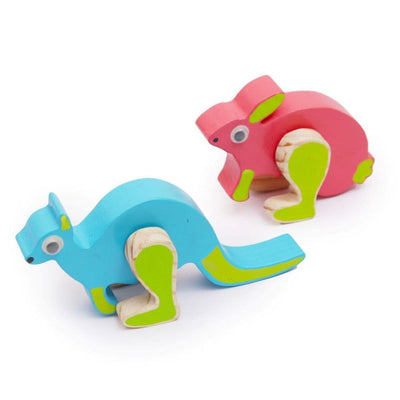
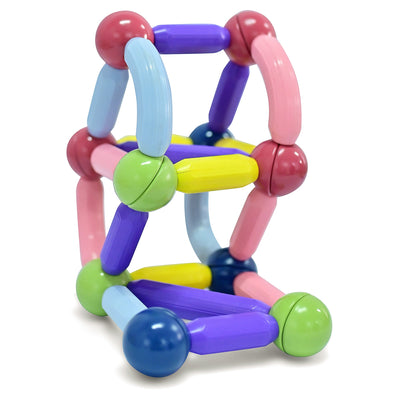
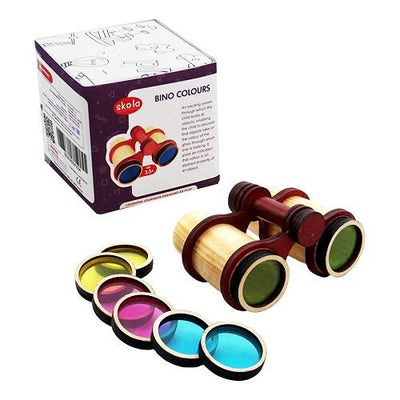
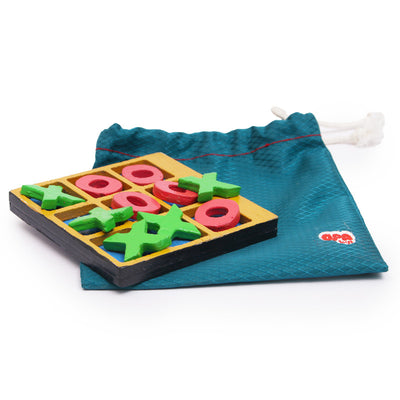
Educational toys provide unparalleled opportunities for growth, and research definitively shows that natural wooden educational toys, especially for Indian children, are superior for fostering deeper cognitive and creative development. These toys stimulate learning by engaging multiple senses and encouraging open-ended play, fostering problem-solving skills and robust cognitive growth. Their inherent simplicity invites imagination, allowing young minds to be the architects of their own enriching play experiences. This approach aligns perfectly with our ethos at SkilloToys, promoting wholesome learning in every Indian home.
Natural simplicity in wooden toys refers to their inherent design – minimal features, lack of electronic stimulation, and authentic material texture. This matters because it removes distractions, prompting children to actively engage their imagination and develop their own play narratives. Indian parents can leverage this by choosing fewer, high-quality wooden toys that inspire multifaceted exploration.
Wooden Toy Sensory Development: Engaging All Five Senses
Child development experts agree that a rich sensory environment is fundamental for early brain development. Unlike their plastic counterparts, natural wooden toys offer a dynamic tactile experience that stimulates neural pathways. The varying textures, from smooth polished surfaces to the gentle grain of unfinished wood, provide genuine sensory input, enhancing a child's proprioception and fine motor skills. Studies indicate that children who interact with diverse natural materials develop a more refined sensory discrimination.
Beyond touch, the subtle, earthy scent of natural wood provides a calming olfactory experience, often missing in synthetic toys. The weight and solidity of wooden stacking toys also offer meaningful feedback to a child’s muscles and joints, aiding in body awareness and coordination. This multi-sensory engagement is crucial for infants and toddlers, like those between 18-24 months, who are constantly making sense of their physical world through exploration.
In many Indian homes, children naturally encounter diverse textures through everyday objects, from granite mortar and pestles to cotton saris. Wooden toys extend this organic exploration, providing a consistent and safe medium for sensory learning. This deep, holistic engagement creates a strong foundation for future academic and creative pursuits, truly embodying natural play benefits.
Simplicity in Toys Learning: Fueling Imagination & Problem-Solving
The brilliance of natural wooden educational toys lies in their simplicity. Without flashing lights, pre-programmed sounds, or specific functions, children are compelled to use their own minds to define the play. This open-ended nature transforms a simple wooden block into a telephone for talking to grandparents, a piece of 'ghar ka khana,' or a component of an elaborate city – the possibilities are endless and driven by the child’s burgeoning imagination.
Studies consistently demonstrate that open-ended toys foster superior problem-solving skills and critical thinking. When a child decides how to use a toy, they are actively engaging in planning, hypothesis testing, and adapting. This self-directed learning is a cornerstone of Montessori principles, where materials like the Montessori pink tower or sandpaper letters offer clear, simple pathways for discovery. The absence of immediate gratification from electronics encourages sustained attention and deeper engagement.
For Indian parents navigating school pressures, fostering intrinsic motivation and creativity early on is invaluable. Simple wooden toys empower children to take ownership of their learning, building confidence and a love for discovery that extends far beyond the playroom. This form of simplicity in toys learning is a powerful catalyst for cognitive development.
Creativity Wooden Toys: The Open-Ended Play Advantage
When toys are simple, the child becomes complex. This mantra perfectly encapsulates how natural wooden educational toys ignite creativity. Unlike highly prescriptive toys that dictate how a child should play, wooden toys provide a blank canvas. A set of plain wooden blocks can become a train, a fort, or a collection of ingredients for a pretend feast during Diwali. This encourages divergent thinking – the ability to find multiple solutions to a single problem or multiple uses for a single object.
Psychological studies confirm that children engaging in open-ended play develop stronger narrative skills, complex role-playing abilities, and greater emotional intelligence. They learn to negotiate, collaborate, and express themselves without the limitations imposed by a toy’s built-in features. This creative freedom is particularly vital for developing self-expression, a critical skill in a diverse country like India where storytelling is an integral part of our culture and 'sanskriti.'
Consider the timeless appeal of wooden train sets or simple wooden peg puzzles; they invite children to construct their own worlds and stories. This sustained, imaginative play is far more beneficial for developing innovative minds than passive consumption of digital content. Creativity wooden toys are truly investments in a child's potential.
Natural Play Benefits: Beyond the Screen and Plastic
In an era dominated by screens and mass-produced plastic, the choice of natural wooden toys stands as a conscious decision for many eco-conscious Indian parents. The natural play benefits extend beyond cognitive and creative development to encompass environmental responsibility and child safety. Wooden toys are inherently durable, often becoming cherished heirlooms passed down through generations, embodying sustainability and reducing waste. This aligns with the ethos highlighted by initiatives like 'The Better India,' promoting sustainable choices.
Furthermore, paediatricians advise caution regarding excessive screen time, which often replaces active, imaginative play. Wooden toys offer a tangible, unplugged alternative that promotes physical activity and real-world interaction. They are also free from harmful chemicals and plastics, ensuring a safer play environment for children who explore with their mouths and hands, giving parents peace of mind.
The current news context, celebrating Indian brands like Gubbachhi for their thoughtful, sustainable toys rooted in Indian identity, underscores a growing appreciation for quality, natural materials. Choosing natural wooden educational toys is not just about a toy; it is about embracing a philosophy of mindful consumption, environmental care, and fostering truly holistic development for our children, echoing values upheld by SkilloToys.
- Natural wooden educational toys are scientifically proven to enhance cognitive and creative development.
- Their inherent simplicity encourages open-ended play, leading to stronger problem-solving skills.
- Multi-sensory engagement with wood (texture, weight, smell) significantly benefits neurological development.
- Wooden toys promote sustained attention and imaginative play over passive, electronic entertainment.
- Choosing natural wood reflects an eco-conscious commitment to durability and sustainability.
- These toys provide a safe, chemical-free play environment, fostering holistic growth in Indian children.
Why are wooden toys considered superior educational toys for Indian children?
Wooden toys are considered superior educational toys for Indian children because their natural textures and simplicity stimulate multiple senses and encourage open-ended imaginative play. This approach fosters critical thinking and problem-solving skills, aligning with a holistic development philosophy valued in Indian households.
How does simplicity in wooden toys enhance a child's learning?
Simplicity in wooden toys enhances learning by removing distractions and requiring the child to be the primary actor in their play. This absence of predetermined functions encourages divergent thinking, narrative creation, and active problem-solving, thereby building stronger cognitive pathways.
Are wooden toys better for sensory development than plastic toys?
Yes, wooden toys are definitively better for sensory development than plastic toys. Their varied textures, natural weight, and subtle scents engage touch, proprioception, and smell more authentically than uniform plastic, which enriches neurological connections and spatial awareness in young children.
What age ranges benefit most from natural wooden educational toys?
All age ranges benefit significantly, but natural wooden educational toys are particularly impactful for toddlers (18-36 months) and preschoolers (3-6 years). During these critical developmental stages, children are highly receptive to sensory input and imaginative exploration, which wooden toys inherently provide.
How do wooden toys support creativity in children?
Wooden toys support creativity by offering open-ended possibilities without specific instructions or electronic interference. Children use their imagination to transform simple blocks into castles or cars, developing storytelling skills, role-playing scenarios, and innovative solutions, which are foundational for creative thinking.