Educational Toys: Why Essential for Child Development
Educational toys are not just playthings; they are fundamental tools that actively support a child's cognitive, physical, social, and emotional development from infancy through school years in Indian homes. These thoughtfully designed resources provide purposeful engagement, fostering crucial skills like problem-solving, creativity, and critical thinking essential for thriving in today's world.
Understanding their profound impact allows parents to make informed choices, moving beyond fleeting entertainment to invest in their child's holistic growth. This guide will explore the undeniable importance of educational play and highlight why wooden Montessori toys excel in fulfilling this critical role.
What Are Educational Toys?
Educational toys are objects specifically designed to stimulate learning and growth through play, moving beyond simple entertainment. This matters because they provide a structured yet joyful environment for skill acquisition, from fine motor coordination to early literacy. Indian parents can select these toys to build a strong foundation for their child.
The Unparalleled Benefits of Educational Play for Indian Children
Research consistently shows that engaging with high-quality educational toys significantly enhances a child's developmental trajectory across multiple domains. For Indian children, who often navigate academic pressures from a young age, the balance provided by purposeful play is invaluable.
These toys nurture critical thinking, improve hand-eye coordination, and foster social-emotional intelligence, preparing them not just for school but for life. Child development experts agree that play is a child's work, and educational toys are their essential tools.
Boosting Cognitive & Problem-Solving Skills
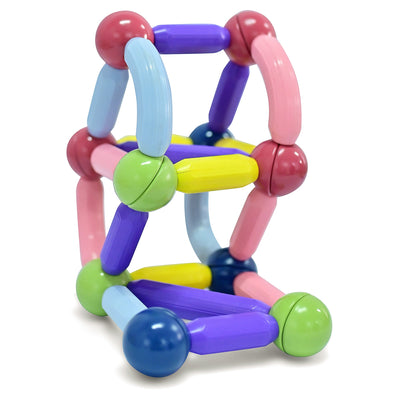
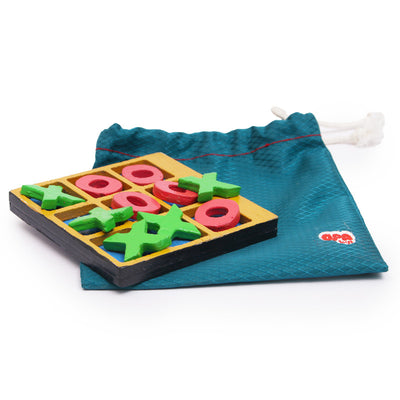
Educational toys challenge children to think, strategize, and solve problems independently. Puzzles, building blocks, and sorting games, for instance, encourage spatial reasoning and logical thought, which are crucial skills for academic success and everyday decision-making.
Children learn cause and effect, practice pattern recognition, and develop persistence as they work through tasks. This active engagement strengthens neural pathways, leading to enhanced learning capabilities.
Fostering Social-Emotional Development
Through imaginative play with dolls, play kitchens, or role-playing sets, children learn to express emotions, understand social cues, and practice empathy. These experiences are vital for developing strong interpersonal skills, especially in India's joint family setups where collaboration and understanding others are paramount.
Cooperative games teach sharing, negotiation, and teamwork, laying the groundwork for healthy relationships. These interactions help children navigate complex social situations with confidence and compassion.
Enhancing Fine & Gross Motor Skills
Toys designed for stacking, grasping, lacing, or riding bicycles directly contribute to developing both fine and gross motor skills. Fine motor skills, essential for writing and self-care, are honed through manipulating small objects.
Gross motor skills, vital for physical health and coordination, are improved through active play. These foundational physical competencies are critical for a child's overall independence and well-being.
Why Wooden Montessori Toys Lead the Way in Child Development
In the quest for meaningful play experiences, wooden Montessori learning materials stand out as superior choices for eco-conscious Indian parents. Rooted in Dr. Maria Montessori's philosophy, these toys are designed with specific developmental purposes, encouraging self-directed learning and intrinsic motivation.
They embody durability, simplicity, and a focus on natural sensory experiences, providing a stark contrast to fleeting, plastic alternatives. As noted in recent reports like 'Christmas Gifts for Kids: 10 Indian Brands Making Thoughtful, Sustainable Toys' by The Better India, there's a growing appreciation for such sustainable, quality craftsmanship in India.
The Power of Natural Materials & Sensory Appeal
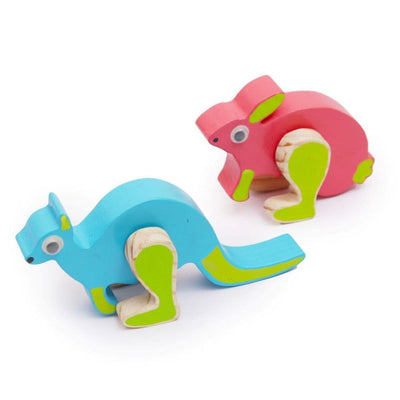
Unlike plastic, wooden educational toys offer a unique tactile experience, connecting children to nature through their weight, texture, and natural scent. This multi-sensory engagement is crucial for brain development, providing rich information that synthetic materials often lack.
Studies indicate that children interacting with natural materials exhibit greater focus and a deeper understanding of physical properties. Brands like Gubbachhi, highlighted in The New Indian Express, exemplify this commitment to natural, Indian-rooted toy design.
Durability & Sustainability: An Anti-Plastic Stance
Wooden toys are built to last, enduring years of play and often becoming cherished heirlooms passed down through generations in Indian families. This durability makes them a sustainable choice, significantly reducing waste compared to fragile plastic toys that quickly break and end up in landfills.
Choosing wooden toys reflects an anti-plastic stance, supporting environmental conservation and teaching children the value of responsible consumption. Goa-based Smol Block, for instance, champions sustainable wooden toys, resonating with the growing demand for eco-friendly options.
Open-Ended Play & Self-Correction
Montessori wooden toys are often open-ended, meaning they can be used in various ways, sparking creativity and imaginative play. Materials like the Pink Tower or Sandpaper Letters, while structured, also invite exploration and allow children to discover concepts at their own pace.
These designs often incorporate a 'control of error', allowing children to self-correct without adult intervention. This fosters independence, resilience, and a deeper understanding of concepts, empowering children to become active participants in their learning journey.
Choosing the Right Educational Toys for Your Child in India
Selecting the ideal educational toys for your child involves considering their developmental stage, interests, and the quality of the materials. It's about investing in tools that will genuinely support their growth, rather than merely entertain.
Look for toys that are age-appropriate, made from non-toxic, sustainable materials, and encourage active participation. Prioritize quality over quantity, building a thoughtful collection that evolves with your child's needs.
For toddlers aged 18-24 months, stackers, shape sorters, and simple puzzles are excellent for developing fine motor skills and spatial awareness. As they grow, materials like lacing beads, early building blocks, and practical life tools become invaluable.
Key Takeaways
- Educational toys are vital tools for a child's holistic development, impacting cognitive, social-emotional, and physical growth.
- High-quality educational play helps Indian children balance academic pressures by fostering essential life skills and a love for learning.
- Wooden Montessori toys offer superior sensory experiences, durability, and promote self-directed, open-ended play.
- Choosing sustainable wooden toys aligns with eco-conscious parenting and reduces plastic waste in landfills.
- Parents should prioritize age-appropriate, non-toxic, and engaging educational toys that support specific developmental milestones.
- Investing in thoughtful, quality toys fosters independence, problem-solving, and creativity in children.
Are wooden Montessori toys truly better than plastic ones?
Yes, wooden Montessori toys are demonstrably superior to plastic alternatives due to their durability, sensory appeal, and non-toxic properties. They offer a richer tactile experience and are inherently more sustainable, aligning with eco-conscious parenting values.
What age is best to introduce educational toys to a child?
Educational toys can be introduced from birth, with age-appropriate selections. Even infants benefit from high-contrast visuals and simple tactile objects, laying early foundations for sensory and cognitive development.
How do educational toys support a child's readiness for school?
Educational toys build foundational skills like fine motor coordination, problem-solving, attention span, and early literacy, which are crucial for school readiness. They help children develop independence and a love for learning, making the transition to formal education smoother.
Can educational toys help with managing screen time for kids?
Absolutely, high-quality educational toys provide engaging, hands-on alternatives to screens, promoting active learning and imaginative play. Offering a stimulating environment with purposeful toys can significantly reduce reliance on digital devices.
Where can Indian parents find authentic wooden educational toys?
Indian parents can find authentic wooden educational toys at specialized stores like SkilloToys.com, which offer a curated selection of Montessori-aligned and sustainably made products. Look for brands committed to quality, safety, and child development principles.