Indian Cultural Toys: Nurturing Identity in Kids
Empowering children to connect with their heritage is a profound aspect of Indian parenting, and Indian cultural toys are indispensable tools for this journey. These thoughtfully designed wooden treasures don't just entertain; they are powerful conduits for nurturing a strong Indian identity and fostering a deep appreciation for our rich cultural tapestry right from their early years.
In today's fast-paced world, where global influences are ever-present, many eco-conscious Indian parents in Bengaluru and beyond are seeking ways to ground their children in their roots. We understand the desire for toys that are not only safe and sustainable but also meaningful, resonating with the stories and traditions passed down through generations in our joint families.
What Are Culturally Rooted Wooden Toys?
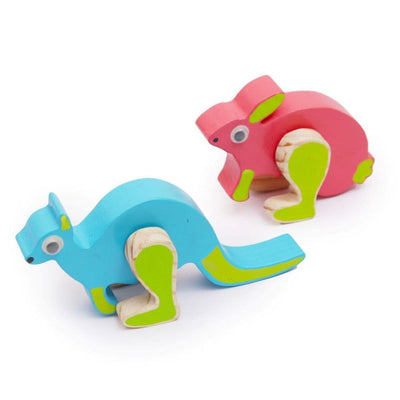
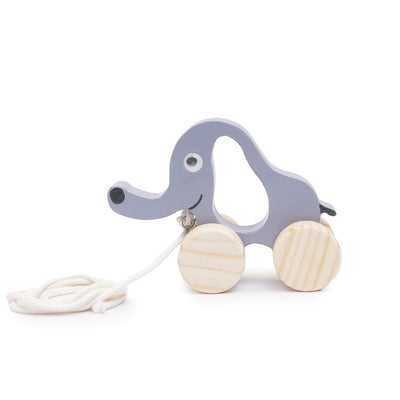
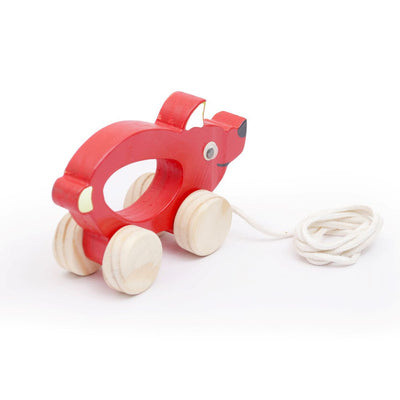
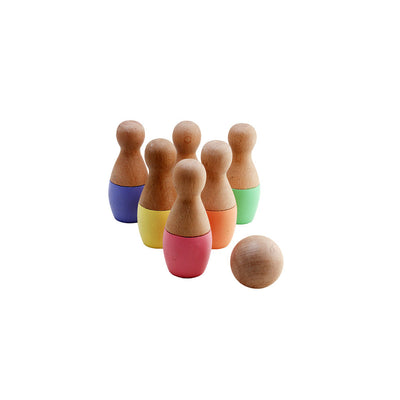
Culturally rooted wooden toys are playthings meticulously crafted from natural wood, designed to reflect the unique narratives, art, festivals, and daily life of India. These toys are tangible representations of our heritage. This matters because they provide children with authentic, hands-on experiences that build cultural literacy and pride. Indian parents can integrate these toys to make learning about their traditions a joyful, everyday experience.
Fostering Indian Heritage with Culturally Rooted Toys India
Integrating culturally rooted toys India into a child's play environment creates an organic connection to their heritage. When children play with wooden dolls dressed in traditional attire or build miniature replicas of Indian temples, they are engaging with their culture in a concrete, memorable way. This exposure is particularly important as brands like Gubbachhi are gaining recognition for creating toys that are deeply 'Toy-tally Indian,' as highlighted by The New Indian Express, resonating with parents who value authenticity.
Child development experts agree that early exposure to cultural elements significantly influences a child's sense of self and belonging. Wooden puzzles and blocks depicting scenes from the Ramayana or Mahabharata, or animals native to India, encourage storytelling and imaginative play that is uniquely Indian. This helps children understand and celebrate festivals like Diwali and Holi not just as events, but as rich narratives they can reenact and explore.
Montessori Cultural Toys: A Bridge to Identity
The Montessori philosophy, championed by Maria Montessori, inherently values real-world experiences and cultural immersion. Montessori cultural toys extend this principle by offering hands-on materials that introduce children to their world, including their own culture. A set of wooden counting beads, for instance, can be used to teach basic numeracy while also referencing traditional Indian counting systems or the number of days in a particular festival.
Montessori education emphasizes sensorial exploration, and wooden cultural toys provide just that. From the smooth texture of a meticulously carved Ganesha idol to the vibrant, non-toxic paints on a wooden kitchen set mirroring an Indian household, these materials engage the senses. Studies indicate that tactile engagement with culturally relevant objects enhances memory and understanding, making abstract concepts of heritage more concrete for young minds, especially for ages 18-24 months.
Choosing Quality Toys for Indian Heritage: A Guide for Parents
For eco-conscious Indian parents, choosing toys means prioritizing quality over quantity and making sustainable choices. When selecting toys for Indian heritage, focus on natural materials like ethically sourced wood, free from plastics and harmful chemicals. This commitment to sustainability is echoed by initiatives like The Better India's feature on '10 Indian Brands Making Thoughtful, Sustainable Toys,' underscoring the growing market for such products.
Look for open-ended wooden activity toys that encourage imaginative play and can be used in multiple ways, rather than single-function plastic toys. Consider the craftsmanship – hand-carved details or traditional art forms like 'Channapatna' or 'Kondapalli' toys speak volumes about our heritage. These choices not only offer a healthier play environment but also support local artisans and traditional craft practices, connecting children to a broader community of heritage keepers.
Beyond Playtime: Integrating Traditional Indian Toys Modern Context
Bringing traditional Indian toys modern context doesn't mean sacrificing contemporary living. These timeless wooden pieces seamlessly integrate into any home, from a bustling joint family in Bengaluru to a nuclear setup. They can become focal points for storytelling sessions with grandparents, bridging generational gaps and making heritage a living, breathing part of daily life. For example, a beautifully crafted wooden tree house, like those from Goa-based Smol Block mentioned in Caleidoscope.in, offers both sustainable play and a connection to nature, fitting perfectly in modern Indian homes.
Research shows that children who are exposed to their cultural heritage through play exhibit greater self-confidence and a stronger sense of identity. In an educational system that often prioritises academic pressure, these toys provide a crucial balance, offering a comforting and grounding connection to home and tradition. They allow children to decompress, engage creatively, and absorb their cultural surroundings naturally, fostering a lifelong appreciation.
- Indian cultural toys are essential for nurturing a strong sense of identity and belonging in children.
- Culturally rooted wooden toys offer tangible, hands-on experiences that foster cultural literacy from an early age.
- Montessori principles align perfectly, utilizing cultural items as authentic, sensorial learning materials.
- Choosing sustainable, open-ended wooden toys supports both child development and traditional Indian craftsmanship.
- Integrating traditional toys into modern homes strengthens generational bonds and provides a crucial balance to academic pressures.
- Early exposure to cultural play through wooden toys enhances children's self-confidence and appreciation for heritage.
Why are Indian cultural toys important for child development?
Indian cultural toys are crucial because they provide a tangible connection to heritage, fostering a strong sense of identity and belonging. They also support cognitive, emotional, and social development by encouraging imaginative play rooted in familiar cultural narratives and aesthetics.
How do Montessori principles align with culturally rooted toys?
Montessori principles align perfectly by emphasising hands-on, sensorial learning that is relevant to a child's environment. Culturally rooted toys become authentic Montessori materials when they are real, beautiful, and allow children to explore and understand their own cultural context independently.
What kind of culturally rooted wooden toys should I look for?
Look for toys that reflect Indian stories, festivals, art forms, and daily life, such as wooden dolls in traditional attire, puzzles depicting Indian monuments, or craft kits using natural dyes. Prioritise open-ended designs made from sustainable wood, promoting creativity and extended play.
Can traditional Indian toys fit into a modern, minimalist home?
Absolutely. Modern traditional Indian toys are often designed with clean lines and natural aesthetics, complementing a minimalist decor beautifully. Choosing high-quality, durable wooden pieces reduces clutter and offers timeless play value, fitting perfectly with a 'quality over quantity' ethos.
How can I introduce Indian cultural toys to a child already used to mainstream toys?
Introduce them gradually and through play, perhaps by sharing a story connected to the toy or integrating it into existing play scenarios. Children are naturally curious; presenting these toys as exciting new tools for storytelling and imaginative adventures will spark their interest effectively.