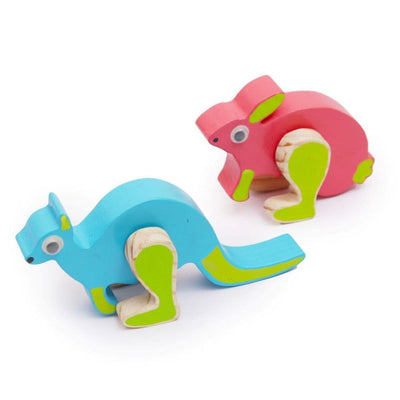
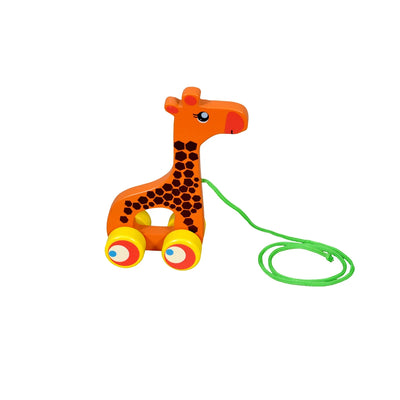
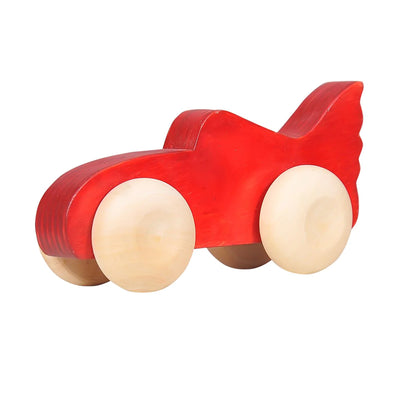
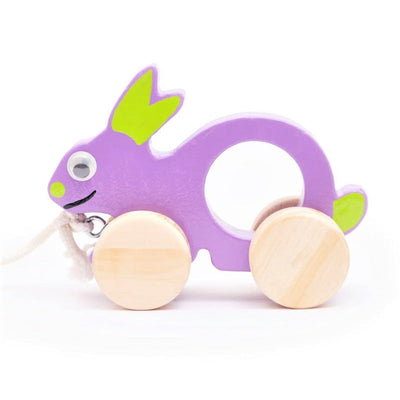
Indian Cultural Wooden Toys: Crafting Heritage
Indian cultural wooden toys are not merely playthings; they are carefully crafted narratives, meticulously designed by local artisans and visionary brands to transmit India's rich heritage and values to the next generation. These makers infuse culture by drawing inspiration from traditional art forms, regional festivals, and everyday Indian life, transforming simple wood into engaging educational tools that foster a deep connection to identity.
Culturally infused wooden toys are play objects meticulously designed to reflect and teach specific aspects of a culture, such as Indian art, history, and traditions. This matters because they provide children with an authentic connection to their roots, fostering identity and pride. Indian parents can choose these toys to offer a tangible, joyful link to their heritage.
In an era where global brands often dominate toy shelves, a significant shift is underway in India. Recent features, like those in The New Indian Express highlighting Gubbachhi’s commitment to toys rooted in Indian identity, and The Better India’s focus on thoughtful, sustainable Indian brands for Christmas gifts, underscore a growing movement. Eco-conscious Indian parents are increasingly seeking products that tell a story, connect children to their roots, and support local craftsmanship. This growing appreciation for authentic, heritage-rich play is redefining the Indian toy landscape.
Crafting Stories: The Design Philosophy Behind Indian Identity Toys
Child development experts agree that early exposure to cultural elements significantly strengthens a child's sense of self and belonging. Indian toy makers meticulously research traditional art, folklore, and festivals, weaving these into their creations. For instance, the intricate motifs seen in Warli paintings might inspire natural wooden blocks, or the vibrant colours of a Durga Puja celebration could be reflected in stacking toys. This design philosophy moves beyond mere aesthetics, aiming to embed cultural literacy directly into the play experience, making learning about India’s diverse heritage an organic, joyful process. It's about ensuring every puzzle piece or figurine resonates with a familiar, comforting echo of home and shared tradition for young minds.
From Artisans to Playrooms: The Legacy of Traditional Indian Wooden Toys
The creation of traditional Indian wooden toys is a testament to generations of skilled artisans. From Channapatna’s lacquered wonders to Etikoppaka’s vibrant creations and Kondapalli’s intricate dolls, these crafts represent a living heritage passed down through families. Studies indicate that the global market for sustainable toys is rapidly expanding, with traditional crafts playing a vital role in this growth, particularly in India. By choosing these timeless wooden toys, parents are not just investing in durable, anti-plastic alternatives; they are directly supporting the livelihoods of these artisans, preserving invaluable skills, and ensuring that these intricate art forms continue to thrive. This commitment to local craftsmanship ensures each toy carries a unique story of its origin and journey to your child’s playroom.
Cultural Learning Toys India: More Than Just Play
Cultural learning toys India goes beyond simple entertainment, offering profound developmental benefits. Imagine an 18-24 month old exploring miniature brass vessels, mirroring the culinary traditions of a joint family kitchen, or an older child assembling a puzzle depicting famous Indian monuments. Maria Montessori herself championed the idea that children learn best through hands-on interaction with their environment, including culturally relevant materials. These experiences, much like the Montessori Method learning materials such as the Pink Tower or Sandpaper Letters, foster fine motor skills, problem-solving, and cognitive development, all while immersing children in their own cultural narrative. It's learning through direct experience, rooted firmly in Indian life and customs.
"Made in India Toys": A Testament to Quality and Heritage
The surge in demand for "Made in India toys" signifies a renewed trust in local products and craftsmanship. These toys, often crafted from sustainably sourced neem or rubber wood, adhere to high safety standards, offering eco-conscious parents peace of mind. The 'Made in India' initiative has significantly boosted local manufacturing, promoting stringent quality checks and sustainable sourcing within the toy industry. When grandparents seek meaningful gifts for their grandchildren, these locally produced wooden toys become the ideal choice – embodying a blend of quality, safety, and a heartfelt connection to Indian heritage that resonates across generations. It's a conscious decision to choose products that are good for children, the environment, and the national economy.
Preserving Heritage Through Wooden Toy Craftsmanship
The intricate wooden toy craftsmanship found across India is not just about carving; it’s about a philosophy of creation. Artisans use natural, non-toxic colours derived from vegetables and lac, ensuring child safety while also respecting the environment. Research from various cultural institutions indicates that supporting traditional craftsmanship is crucial for maintaining cultural diversity and intergenerational knowledge transfer. This dedication to natural materials and traditional techniques mirrors the values many Indian homes uphold, promoting a holistic approach to life. It's about giving children toys that are not just aesthetically pleasing but also carry the wisdom of generations, making them cherished heirlooms rather than disposable plastic items that contribute to waste.
- Indian toy makers intentionally design wooden toys to transmit cultural identity and values to children.
- Traditional craftsmanship supports local artisans and preserves invaluable heritage art forms across India.
- Culturally infused wooden toys foster a strong connection to Indian heritage and promote holistic child development, aligning with Montessori principles.
- The "Made in India" movement for toys emphasizes quality, safety, and sustainable practices, gaining trust among discerning parents.
- Choosing wooden toys rooted in Indian culture ensures eco-friendly play and creates cherished, durable heirlooms.
- These toys provide an authentic, hands-on link to India’s diverse traditions, making learning a joyful and integral part of playtime.
What defines an Indian cultural wooden toy?
Indian cultural wooden toys are specifically designed to reflect and teach aspects of India's diverse heritage, including traditional art, folklore, festivals, and everyday life. They are typically handcrafted by local artisans using sustainable wood and non-toxic, natural dyes.
How do these toys benefit a child's development?
These toys foster a strong sense of cultural identity and pride, while simultaneously promoting critical developmental skills such as fine motor coordination, problem-solving, and cognitive abilities. They offer a tangible, authentic connection to their Indian roots.
Are "Made in India" wooden toys truly sustainable?
Yes, many "Made in India" wooden toys prioritize sustainability by using locally sourced, renewable woods like neem or rubber wood and employing natural, non-toxic colours. This approach minimizes environmental impact and supports eco-friendly practices.
How can parents choose authentic Indian wooden toys?
Parents should look for toys that clearly state their origin, mention traditional craft techniques (e.g., Channapatna, Etikoppaka), and highlight the use of natural materials and dyes. Reviews and certifications from reputable brands also help ensure authenticity.
What is the role of traditional Indian craftsmanship in modern toy making?
Traditional craftsmanship ensures that toys are not just mass-produced items, but pieces of art imbued with cultural stories and values. It preserves ancestral skills, supports artisan communities, and offers unique, durable, and sustainable alternatives to plastic toys.