Indian Wooden Toy Craftsmanship: Artistry & Heritage
The intricate artistry of Indian wooden toy craftsmanship represents a vibrant cultural legacy, offering eco-conscious Indian parents more than mere playthings but tangible pieces of heritage. These meticulously carved wooden toys, rooted in centuries-old traditions, hold immense cultural significance by preserving ancestral skills and fostering a connection to India's diverse artistic identity. They stand as a testament to sustainable living, providing children with natural, enriching play experiences that plastic alternatives often cannot match, resonating deeply with families prioritizing quality and tradition.
Indian wooden toy craftsmanship is the art of hand-carving and decorating toys from sustainably sourced wood, often using natural dyes and traditional techniques passed down through generations. This matters because it creates durable, non-toxic playthings that stimulate a child's senses and imagination while upholding cultural heritage. Indian parents can choose these toys to introduce their children to rich cultural narratives and promote eco-friendly values from an early age.
The Roots of Indian Wooden Toy Craftsmanship: A Timeless Tradition
Research shows that the origins of Indian wooden toy craftsmanship stretch back millennia, with evidence found in ancient texts and archaeological sites across the subcontinent. This deep historical lineage ensures that each toy carries not just artistic skill, but also a narrative of India's enduring cultural identity and wisdom. These traditional playthings were historically designed not only for amusement but also for teaching cultural stories, moral values, and practical skills, deeply integrated into daily life within homes and joint families, particularly during auspicious festivals like Diwali and Sankranti. The legacy of these toys emphasizes the importance of learning through play, a principle revered in Indian parenting.
Varanasi Wooden Toys: A Hub of Traditional Indian Toy Art
The ancient city of Varanasi, a spiritual and cultural epicentre, stands out as a significant hub for Varanasi wooden toys and traditional Indian toy art. Recent media spotlights, such as 'The Transformative Art of Wood Toy Carvers in India’s Varanasi', highlight how skilled artisans here continue to employ ancient techniques, turning simple wood into intricate, educational masterpieces. These carvers often depict local flora, fauna, and revered mythological figures, creating toys that are uniquely Indian in spirit and design, thereby enriching a child's understanding of their rich cultural heritage from a young age.
The Meticulous Wooden Toy Making Process: From Wood to Wonder
Child development experts agree that the quality of a toy profoundly impacts a child's interaction and learning, influencing their cognitive and physical growth. The wooden toy making process for authentic Indian toys is a testament to meticulous handcraft and an unwavering commitment to quality and sustainability. Artisans carefully select sustainable woods like haldu, neem, or pine, chosen for their durability, smooth texture, and inherent anti-bacterial properties, ensuring the toys are safe and pleasant to touch for children from infancy (18-24 months) onwards, even for those prone to mouthing toys.
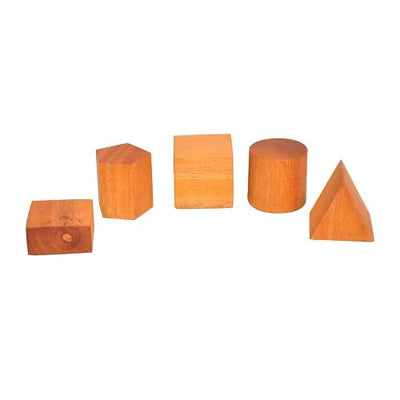
Each piece undergoes a detailed journey of precise carving, careful sanding to eliminate any rough edges, and often natural lacquering or painting with non-toxic, vegetable-based dyes. This traditional, hands-on process ensures that every curve and contour is intentional, offering a superior sensory experience that machine-made plastic toys simply cannot replicate. For example, handcrafted wooden blocks from skilled artisans offer unique tactile feedback, promoting fine motor skills, spatial reasoning, and creative construction as children build and explore their imaginative worlds.
Why Traditional Indian Toy Art Matters for Modern Indian Families
In an era dominated by screens and mass-produced plastic, traditional Indian toy art offers a vital counter-narrative, aligning perfectly with the values of eco-conscious Indian parents who seek mindful consumption. Studies indicate that open-ended wooden toys foster greater creativity, imaginative play, and problem-solving skills compared to highly prescriptive electronic toys, supporting holistic development. These handcrafted pieces encourage children to create their own stories and scenarios, much like their grandparents once did, fostering an independent spirit unhindered by predetermined functions.
Moreover, these toys, imbued with cultural heritage, provide a tangible link to India's rich past, helping children appreciate their roots and cultural identity in an increasingly globalized world. Maria Montessori herself championed natural, tactile materials, recognizing their crucial role in developing concentration, coordination, and independence, particularly through sensory exploration. Choosing high-quality, sustainable wooden toys, such as those found in our diverse collection of Montessori Method learning materials, ensures children are engaging with safe, enriching tools for growth, moving decisively away from the ephemeral nature and environmental impact of plastic toys.
Artisan Wooden Toys India: SkilloToys' Commitment to Quality and Heritage
SkilloToys.com proudly supports the enduring legacy of artisan wooden toys India, collaborating directly with skilled craftspeople across the nation who pour their heart and soul into each creation. Our carefully curated selection directly champions these artisans, ensuring their unique skills and the profound cultural narratives embedded in their work continue to thrive, thereby preserving a precious part of Indian heritage. We believe that by offering meticulously crafted natural wood toys and other educational pieces, we provide more than just playthings; we offer invaluable tools for developmental growth and cultural connection.
For parents in Bengaluru and across India, choosing these artisan-made wooden toys is a conscious decision to invest in their child's holistic development, encouraging mindful play, while also supporting sustainable practices and local craft economies. This approach resonates strongly with the growing sentiment seen in recent features like 'Toy-tally Indian: Gubbachhi founders on their toys rooted in Indian identity' and 'Goa-Based Smol Block Introduces Sustainable Wooden Tree House Toys for Children', highlighting a collective movement towards meaningful, Indian-centric, and environmentally responsible play. By choosing SkilloToys, you empower artisans and enrich your child's world with authentic, sustainable beauty.
- Indian wooden toy craftsmanship preserves millennia-old artistic traditions, offering cultural depth.
- Varanasi is a prominent centre for exquisite traditional Indian wooden toy art.
- The meticulous hand-carving process of wooden toys ensures superior quality and safety.
- Wooden toys promote enhanced sensory exploration and foster greater creativity in children.
- Choosing artisan-made wooden toys supports sustainable practices and India's local craft economy.
- These toys align with Montessori principles, emphasizing natural materials and purposeful play.
What makes Indian wooden toy craftsmanship unique?
Indian wooden toy craftsmanship is unique due to its deep historical roots, the use of sustainably sourced native woods, and traditional hand-carving techniques. Artisans often incorporate cultural motifs, natural dyes, and lacquering methods passed down through generations, making each toy a distinct piece of cultural art.
How do Varanasi wooden toys contribute to child development?
Varanasi wooden toys contribute significantly to child development by offering tactile and sensory rich experiences that stimulate imagination and fine motor skills. Their natural materials and open-ended designs encourage creative play, problem-solving, and a deeper connection to cultural narratives.
Are artisan wooden toys India safe for children?
Yes, artisan wooden toys from India are generally very safe for children, particularly those from reputable brands. They are typically made from non-toxic, natural woods and finished with natural dyes or lacquers, avoiding the harmful chemicals often found in plastic toys. Quality craftsmanship ensures smooth, splinter-free surfaces.
What is the cultural significance of traditional Indian toy art?
The cultural significance of traditional Indian toy art lies in its role as a vessel for heritage, stories, and values. These toys often depict elements of Indian folklore, festivals, and daily life, allowing children to connect with their cultural identity and appreciate the artistic legacy of their ancestors.
Why should parents choose wooden toys over plastic ones for their children?
Parents should choose wooden toys over plastic ones for several reasons: they are more durable, sustainable, and free from harmful chemicals. Wooden toys promote open-ended, imaginative play and offer a superior sensory experience, aligning with eco-conscious parenting and supporting a child's natural development.