Malayalam Culture & Stories: Wooden Montessori Toys
Wooden Montessori toys offer a unique pathway to introduce children to Malayalam culture and stories, fostering a deep appreciation for their heritage right from home. Child development experts agree that early exposure to cultural narratives through tangible, natural materials significantly enhances a child's identity and linguistic development. This approach goes beyond simple vocabulary, creating a holistic immersion.
This rich engagement matters because it grounds young Indian minds in their roots, preparing them not just for school but for a culturally aware life. Eco-conscious Indian parents in Bengaluru, seeking quality over plastic, increasingly choose wooden toys as thoughtful Christmas gifts for their children, valuing both sustainability and cultural authenticity, as highlighted by features in 'The Better India' on thoughtful Indian toy brands.
What is Malayalam Cultural Education with Wooden Montessori Toys?
Malayalam cultural education with wooden Montessori toys uses natural, tactile materials to introduce children to the traditions, stories, and values of Kerala. This matters because it provides a multi-sensorial foundation for cultural literacy, making heritage tangible and engaging for young minds. Indian parents can facilitate this by selecting open-ended wooden toys for cultural storytelling.
Malayalam Culture for Kids: Building Bridges Through Play
Introducing Malayalam culture for kids becomes an organic process when woven into their daily play. Wooden Montessori toys, with their simplicity and natural textures, serve as perfect vehicles for this. Instead of abstract concepts, children can touch, stack, and manipulate toys that subtly reflect elements of Kerala's rich traditions, from its architecture to its vibrant performing arts.
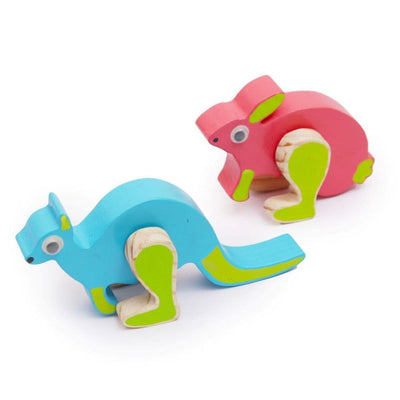
Imagine a child arranging a set of smooth, wooden blocks to mimic a traditional Kerala home or using wooden animal figurines to act out local fables. These hands-on experiences are invaluable, especially in joint families where grandparents become the primary storytellers. They can use these durable, tactile toys to share tales of Onam, Vishu, or local deities, making ancient narratives feel alive and immediate.
Studies indicate that children who engage with toys rooted in their cultural context develop stronger self-identity and a greater sense of belonging. This is particularly true for wooden puzzles depicting Kathakali dancers or simple wooden figures representing characters from regional folklore. Such play connects children to their roots in a way that is both meaningful and memorable. Explore our collection of wooden puzzles and blocks to begin this journey.
Malayalam Stories Wooden Toys: Nurturing Imagination and Heritage
The power of Malayalam stories wooden toys lies in their ability to foster imagination, transforming simple objects into characters and settings. Unlike electronic gadgets that dictate play, wooden toys invite children to create their own narratives, becoming active participants in the storytelling process. This is where the magic of heritage truly comes alive.
Consider a set of wooden stacking stones becoming the majestic mountains of the Western Ghats, or a series of wooden lacing beads representing the vibrant colours of a temple festival. Children can re-enact popular Malayalam children's stories like those found in 'Poompatta' magazines or timeless folk tales shared across generations. This not only nurtures their imagination but also strengthens their understanding and memory of cultural narratives.
Child development research consistently shows that open-ended play with materials like wooden blocks or animal figurines significantly boosts cognitive development and language skills. When these materials are used to tell cultural stories, children absorb not just vocabulary, but also values, customs, and the nuances of their heritage, turning playtime into a profound learning experience.
Montessori Malayalam Cultural Education: A Holistic Approach
The Montessori philosophy, championed by Maria Montessori, emphasizes hands-on learning and practical life skills, making it an ideal framework for Montessori Malayalam cultural education. Wooden materials, central to the Montessori method, naturally align with this goal, providing children with concrete experiences that connect them to their cultural environment.
For instance, a wooden practical life set can be used to mimic the preparation of traditional Kerala snacks, teaching fine motor skills alongside cultural practices. Sensorial materials, like wooden sorting trays, can introduce children to the distinct textures and colours found in local crafts or natural elements of Kerala. This integrated approach ensures learning is not confined to textbooks but is an active, lived experience.
Maria Montessori believed that children thrive when given purposeful activities that relate to their world. By selecting wooden toys that resonate with Malayalam culture – perhaps simple wooden sorting games featuring local fruits or vegetables, or bead stringing activities that mirror traditional designs – parents are providing a holistic education that celebrates their child’s identity. Browse our diverse range of Montessori practical life materials for culturally relevant options.
Wooden Toys Indian Heritage: A Conscious Choice for Tomorrow
Choosing wooden toys Indian heritage is a deliberate step towards a more sustainable and culturally rich future for our children. In an era dominated by plastic, eco-conscious Indian parents are increasingly recognizing the enduring value of natural, handcrafted toys that stand the test of time and tradition. This aligns perfectly with the ethos of brands celebrated by 'The New Indian Express' for their toys rooted in Indian identity, like Gubbachhi.
Wooden toys offer unmatched durability, becoming cherished heirlooms passed down through generations rather than disposable plastic clutter. This anti-plastic stance not only benefits the environment but also instills in children a respect for quality craftsmanship and thoughtful consumption. Research shows that natural materials foster a deeper connection to nature and a more grounded play experience.
By investing in wooden Montessori toys, parents are making a conscious choice that reflects their values – a commitment to sustainability, quality education, and the preservation of Indian heritage. These toys are not just playthings; they are investments in a child's holistic development and a bridge to their cultural legacy, offering lasting educational and emotional value.
- Wooden Montessori toys offer a tangible way to introduce children to Malayalam culture and stories, fostering deep appreciation.
- Early exposure to cultural narratives through natural materials significantly enhances a child's identity and linguistic development.
- Malayalam cultural education uses tactile wooden toys to make heritage engaging and understandable for young Indian minds.
- Open-ended wooden toys are ideal for recreating Malayalam stories and traditional practices, nurturing imagination and cultural memory.
- The Montessori method, with its focus on hands-on learning, seamlessly integrates with cultural education using wooden materials.
- Choosing wooden toys supports sustainability, reflects Indian heritage, and provides children with durable, high-quality learning tools.