Support Sustainable Toy Makers India: Why They Struggle
A critical challenge confronts our nation's finest toy makers: India's cherished artisans producing quality wooden toys are struggling to survive. To effectively support sustainable toy makers India, eco-conscious parents must understand the unseen pressures pushing these invaluable creators to the brink, and actively choose ethical options for their children.
This pressing issue was recently highlighted by 'The Swaddle' in their poignant article, 'The Makers of the Best Kids’ Toys Are The Ones Going Out of Business', underscoring a grim reality for businesses dedicated to craftsmanship and child development. While parents increasingly seek natural, enriching play experiences, the infrastructure to sustain these dedicated makers is faltering. Your informed purchasing decisions can provide the crucial lifeline needed to preserve this vital industry for future generations.
What is Conscious Consumerism in Toys?
Conscious consumerism in toys is the deliberate act of choosing products based on their ethical, environmental, and social impact, rather than solely on price or brand recognition. This matters because every purchase supports a value chain, either reinforcing sustainable practices or contributing to environmental degradation and unfair labor. Indian parents can actively engage by researching brands, choosing quality over quantity, and prioritising locally made, natural products.
The Unseen Struggles of India's Quality Wooden Toy Makers
Research shows that many of India's esteemed producers of quality wooden toys India face an uphill battle against overwhelming competition from cheap, plastic imports and a global market skewed towards mass production. These are not merely toy manufacturers; they are custodians of traditional craftsmanship, often employing age-old techniques passed down through generations within families and communities.
The current news cycle, which often discusses 'How to Dropship Toys: Bestselling Toys to Dropship in 2026', highlights the very trend that challenges these artisans. While large-scale distribution focuses on volume and low cost, our local makers grapple with higher production costs associated with ethically sourced natural wood, non-toxic paints, and fair wages for skilled artisans. They often lack the marketing budgets to compete with aggressive campaigns from multinational corporations, making it difficult for their exceptional products to reach the right audience, as noted by 'The New Indian Express' discussing brands like Gubbachhi.
Why Ethical Toy Brands India Deserve Your Support
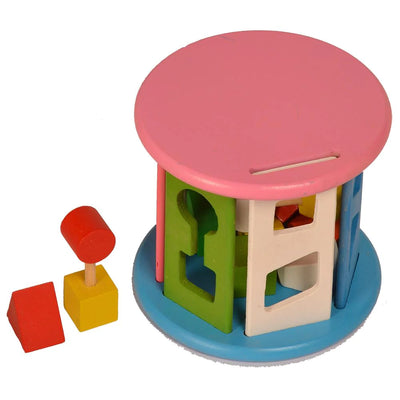
Choosing ethical toy brands India is more than a purchase; it's an investment in your child's holistic development and the planet's well-being. Child development experts agree that toys made from natural materials offer unparalleled sensory experiences, grounding children in the tactile world. For instance, well-crafted Montessori materials, like a smooth wooden shape sorter or a durable building block set, foster concentration, problem-solving, and fine motor skills in children from 18-24 months and beyond.
Moreover, these brands embody true sustainability. They avoid harmful plastics, reducing landfill waste and chemical exposure in Indian homes. By supporting them, you contribute directly to local economies, creating sustainable livelihoods for artisans in villages and towns across India. This decision strengthens communities and preserves unique regional craftsmanship, ensuring that future generations can inherit not just toys, but also a rich cultural heritage.
Empowering Montessori Toy Makers India: A Path to Sustainability
To truly support sustainable toy makers India, particularly the dedicated Montessori toy makers India, parents can take specific, impactful actions. Firstly, prioritise purchasing from reputable Indian brands known for their transparency in sourcing and manufacturing. Look for brands that clearly state their use of sustainable wood and non-toxic, child-safe finishes.
Secondly, engage with brands directly or through curated platforms like SkilloToys.com that champion ethical craftsmanship. By choosing products such as intricate wooden puzzles or classic Montessori tools like the pink tower and sandpaper letters, you directly contribute to the artisan's livelihood. This approach helps these makers gain the visibility they desperately need, fostering a direct connection between creator and consumer.
Research indicates that when consumers actively seek out and support local, ethical producers, it significantly boosts the viability of these businesses. It allows them to invest in better infrastructure, innovative designs, and broader distribution, ensuring their survival against larger, less sustainable competitors. Your decision to seek out an Indian-made educational toy rather than a generic plastic one sends a powerful message to the market.
Making a Difference: Your Role in Preserving Indian Craftsmanship
Your choice as an eco-conscious Indian parent directly impacts the future of quality toy making in our country. By opting for durable, thoughtful educational toys over fleeting plastic novelties, you're embracing a philosophy of conscious consumption that benefits everyone. This aligns perfectly with the Indian tradition of cherishing well-made items, often passed down from grandparents, instilling a sense of history and value in children.
Studies consistently highlight the detrimental environmental impact of plastic toys, from production to disposal. Conversely, supporting sustainable wooden toy makers significantly reduces this ecological footprint, contributing to a cleaner, healthier India for your children to grow up in. Your active participation in this movement ensures that the legacy of beautiful, functional, and safe Indian-made toys continues to thrive, shaping joyful and enriching childhoods.
The current landscape for India's best wooden toy makers is precarious, but not insurmountable. With the collective power of eco-conscious parents making informed choices, we can ensure these invaluable artisans not only survive but flourish. Let's commit to preserving the artistry, quality, and sustainability that define India's true treasures in children's play.
- India's quality wooden toy makers face significant struggles from cheap imports and lack of visibility.
- Conscious consumerism involves choosing toys based on ethical, environmental, and social impact.
- Supporting ethical Indian toy brands strengthens local economies and preserves traditional craftsmanship.
- Montessori toys, by design, are often sustainable, using natural materials for durability and development.
- Parents' purchasing decisions directly impact the survival and growth of sustainable toy makers in India.
- Choosing quality wooden toys reduces plastic waste and promotes healthier play environments.
Why are quality Indian toy makers struggling?
Quality Indian toy makers struggle due to intense competition from cheaper, mass-produced imports, rising costs of natural materials, and limited market visibility compared to larger brands. This situation is worsened by policy gaps and a lack of awareness among consumers about the value of ethical toys.
How can parents identify ethical toy brands in India?
Parents can identify ethical toy brands in India by looking for certifications, transparent sourcing of materials like sustainably harvested wood, and clear statements about fair labor practices. Researching brand stories, local craftsmanship, and product durability also indicates a commitment to ethical production.
What is conscious consumerism in the context of toys?
Conscious consumerism in toys means making purchasing decisions based on the ethical, environmental, and social impact of the product, beyond just its immediate utility. This involves choosing durable, non-toxic, and sustainably made toys from brands that support fair labor and local economies, ensuring a positive impact on both children and society.
Are Montessori toys typically more sustainable?
Yes, Montessori toys are typically more sustainable by design. They emphasize natural materials like wood, metal, and cotton, are built for durability to be passed down through generations, and encourage open-ended play, reducing the need for frequent replacements. This aligns with a philosophy of minimal environmental impact.
What is the long-term impact of supporting local toy makers?
Supporting local toy makers in India ensures the preservation of traditional craftsmanship, sustains local economies, and fosters unique cultural identity in children's play. It also guarantees higher quality, safer products for children while reducing environmental impact through ethical production and sustainable material sourcing.