Baby Development Games: Boost Cognitive, Motor, Sensory (0-12 Months)
Playing simple, everyday baby development games is a profound way to boost your little one's cognitive, motor, and sensory skills from birth through their first year. Research shows that consistent, joyful interaction through play is fundamental to early brain development, creating a strong foundation for future learning.
What are Baby Development Games?
Baby development games are simple, interactive activities designed to stimulate an infant's growing brain and body. These matter immensely because they foster essential neural pathways and physical coordination. Indian parents can easily integrate these playful moments into daily routines, using everyday objects and natural interactions.
As new parents across India navigate the beautiful chaos of their baby's first year, anxiety about milestones is natural. Child development experts agree that play is not just fun; it is how babies learn. This sentiment resonates with recent insights, including UNICEF's emphasis on the 'Right to Play' and discussions in The Hindu and India Today about early investment in children through play-based learning being key to India's future. You don't need elaborate setups; your home, a few simple items, and your loving presence are more than enough.
Nurturing Cognitive Growth with Easy Cognitive Games for Babies (0-12 Months)
Cognitive development involves your baby's ability to think, learn, and problem-solve. Engaging them with simple activities builds crucial connections in their brain. Studies indicate that early exposure to varied stimuli enhances a baby's memory, attention span, and curiosity.
Peek-a-Boo: This classic game, beloved in every Indian home, teaches object permanence – the understanding that things still exist even when you can't see them. Covering your face with a dupatta or your hands and reappearing delights babies and reinforces this core concept. It also builds anticipation and social connection.
Story Time & Conversations: Regularly reading colourful books, even simple board books, or narrating your daily activities (e.g., "Mamma is cooking dal now") helps with language acquisition. Use different tones and expressions. For younger infants, simply talking to them as you go about your day, perhaps while they are in a language development activity centre, significantly boosts their vocabulary and listening skills.
Discovery Baskets: Create a small basket with safe, everyday items of different textures and colours – a soft cotton ball, a wooden spoon, a metal key (ensure no choking hazards). Let your baby explore these under supervision. This open-ended play encourages critical thinking and classification.
Enhancing Motor Skills Through Infant Development Activities
Motor skills involve the coordination of muscles and movements, vital for sitting, crawling, and eventually walking. Gross motor skills are large movements, while fine motor skills are small, precise movements. Experts agree that a varied environment encourages babies to explore and strengthen their bodies.
Tummy Time Adventures: Lay your baby on their tummy for short periods multiple times a day. Place engaging toys slightly out of reach to encourage reaching and pushing up. This strengthens their neck, back, and core muscles, which are essential for sitting and crawling. Grandparents often enjoy this bonding time, gently encouraging the baby.
Reaching & Grasping Games: Offer safe, lightweight objects for your baby to grasp. Rattles, soft fabric toys, or Montessori-inspired grasping toys encourage hand-eye coordination and fine motor development. Hold objects slightly away, prompting them to reach out and grab.
Rolling Fun: As your baby gains strength, encourage rolling by placing toys to their side. Gently guide their hips to initiate the roll. This activity builds core strength and body awareness, crucial precursors to crawling and walking. A soft mat on the floor of your living room is a perfect play zone for this.
Stimulating Senses with Engaging Sensory Play Ideas 0-12 Months
Sensory development is how babies learn about the world through their five senses: touch, sight, sound, smell, and taste. Providing rich sensory experiences helps build neural pathways and aids in understanding their environment. Research indicates that multi-sensory play significantly boosts brain development in infants.
Texture Exploration: Provide a variety of safe textures for your baby to touch and feel. This could be soft fabric scraps (silk, cotton, wool), smooth wooden blocks, or crinkly paper. Under supervision, let them explore with their hands and feet. This is particularly easy in an Indian home with various textiles readily available.
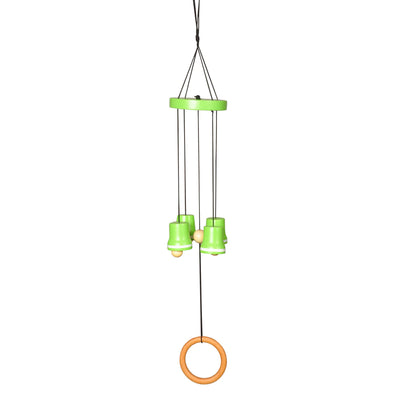
Sound Safari: Use safe, everyday objects to create different sounds – a gentle rustle of leaves outside, the soft jingle of bangles, or a calming lullaby. Talk about the sounds and watch your baby's reactions. Introduce simple musical instruments like maracas or soft bells. Our collection of Montessori sensory balls often include different textures and gentle sounds, perfect for this.
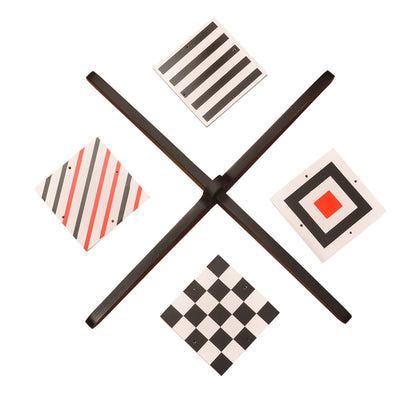
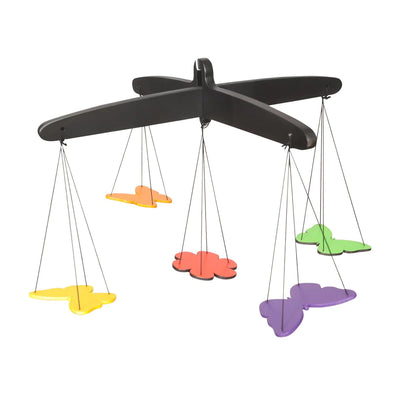
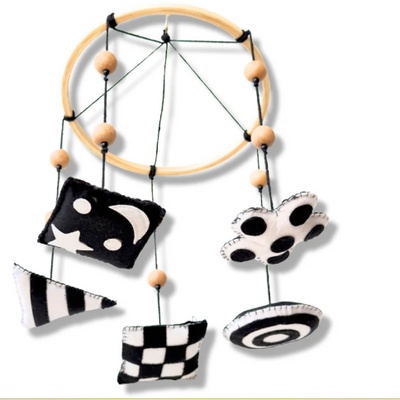
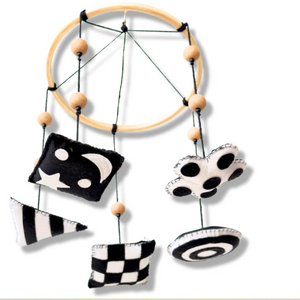
Visual Tracking: Slowly move a colourful toy or your hand across your baby's field of vision, encouraging their eyes to follow. This strengthens eye muscles and improves focus. High-contrast cards are also excellent for newborns to stimulate visual development.
The Montessori Approach to Infant Development Activities
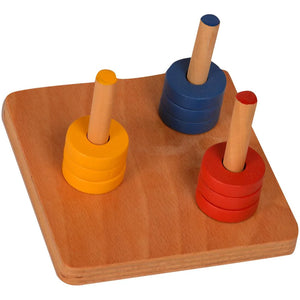
The philosophy of Maria Montessori champions the idea that children are naturally curious and capable learners. When it comes to infant development activities, the Montessori approach encourages observing your baby's interests and providing a "prepared environment" – a safe, stimulating space where they can explore freely. This means offering simple, purposeful materials that invite engagement without overwhelming them. For instance, allowing your baby to focus on one activity at a time, like grasping a specific wooden ring, nurtures concentration and independence, fundamental skills that begin developing even in the first year.
- Everyday games are vital for a baby's cognitive, motor, and sensory development from 0-12 months.
- Consistent play interactions significantly boost neural connections and early brain architecture.
- Cognitive games like Peek-a-Boo and talking enhance object permanence and language skills.
- Motor skill activities such as Tummy Time and grasping strengthen muscles and coordination.
- Sensory play using varied textures and sounds builds a baby's understanding of their environment.
- The Montessori approach advocates for observation and a prepared environment to foster natural learning in infants.
How do everyday games support a baby's overall development?
Everyday games provide crucial stimulation for a baby's brain, helping them make sense of the world. They strengthen neural connections, refine motor skills, and expose infants to various sensory experiences essential for healthy growth.
What kind of toys are best for cognitive development in babies?
For cognitive development, simple, open-ended toys are best as they encourage problem-solving and exploration. Examples include stacking cups, shape sorters, and wooden blocks, which foster critical thinking and spatial awareness.
How much playtime should a 0-12 month old baby have daily?
Babies from 0-12 months benefit from frequent, short bursts of interactive playtime throughout the day. Rather than a fixed duration, focus on responsive play, observing your baby's cues for engagement and rest, which can amount to several hours of varied activity.
Are traditional Indian games beneficial for baby development?
Absolutely, many traditional Indian games, like clapping hands (Chappa Chappa), playing with a soft cloth (rumaal), or gentle rocking, naturally incorporate elements that boost motor skills, rhythm, and social-emotional bonding, making them highly beneficial.
When should I introduce structured educational games to my baby?
For babies 0-12 months, 'structured' often means engaging them with simple, purposeful activities rather than rigid games. Introduce Montessori-inspired materials like grasping beads or soft books when your baby shows interest, always following their lead and ensuring safety.