Telugu Letters with Pictures: Visual Learning for Your Baby (0-12 Months)
For new parents in Bengaluru, introducing telugu letters with pictures to your baby (0-12 months) is a beautiful way to connect them with their mother tongue right from the start. This visual approach, deeply rooted in Montessori principles, focuses on gentle exposure, nurturing their absorbent minds and laying a strong foundation for early language development.
Child development experts agree that the first year of life is a critical period for brain development, where babies rapidly absorb information from their environment. Providing rich, multi-sensory language experiences, including visual cues, can significantly enhance a baby's cognitive and linguistic pathways. Research from institutions like the Harvard Center on the Developing Child highlights the immense plasticity of an infant's brain, making early, thoughtful language exposure incredibly beneficial.
The Power of Visual Learning for Tiny Minds (0-12 Months)
Visual learning for babies isn't about memorization; it's about observation and pattern recognition. From birth, infants are drawn to high-contrast images and human faces, actively processing their surroundings. Introducing Telugu letters with accompanying pictures taps into this innate visual curiosity, helping them distinguish shapes, understand sequences, and subtly connect symbols with spoken words. This early exposure helps the brain create neural networks crucial for future reading and language comprehension, long before they utter their first word.
Think of it as preparing their brain for the symphony of language. Just as a gardener prepares the soil, we are enriching the baby's cognitive landscape. Studies indicate that early exposure to diverse linguistic stimuli can enhance a child's phonological awareness and vocabulary later in life, supporting the UNICEF's emphasis on early childhood development in India.
Montessori Principles for Early Telugu Alphabet Exposure
Maria Montessori's philosophy emphasizes respecting the child as an individual learner, providing a 'prepared environment,' and engaging their senses. For infants (0-12 months), applying these principles to Telugu alphabet for babies means creating opportunities for natural, unpressured interaction with language visuals.
Creating a 'Prepared Environment' for Language Discovery
A prepared environment for your little one could be a cozy corner in your Bengaluru home, perhaps near their play mat or changing station. Display a few large, clear picture cards featuring Telugu letters and corresponding images at their eye level. For instance, a card with 'అ' next to a picture of 'అమ్మ' (Amma - mother) or 'ఆ' next to an 'ఆవు' (Aavu - cow). These aren't just decorations; they are invitations to learn. Ensure the cards are made from durable, baby-safe materials, reflecting the quality of Montessori language materials available at SkilloToys.
Sensorial Engagement: Beyond Just Looking
Montessori education thrives on sensorial experiences. While a baby primarily takes in visual information, you can enhance this by incorporating touch and sound. When you show a card with 'క' (Ka) and a picture of 'కన్ను' (Kannu - eye), gently trace the letter with your finger, letting your baby watch, and softly say the letter sound and the word. This multi-sensory input reinforces the learning, making it a richer experience than passive viewing. Grandparents often naturally do this, pointing to objects and naming them in Telugu, a precious cultural connection.
Crafting Effective Telugu Letters with Pictures: A Practical Guide
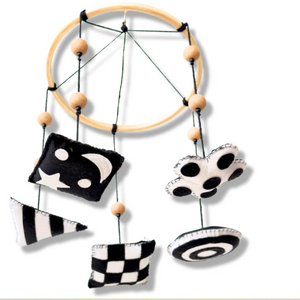
To make the most of visual learning, the quality and presentation of your materials matter. For your baby, simplicity and clarity are paramount. Consider using high-contrast visual aids like black and white cards for newborns, gradually introducing color as their vision develops.
You can create your own simple picture cards or explore options for early sensorial learning tools. Ensure each card features one large, clear Telugu letter and one corresponding, easily recognizable picture. For example, 'గ' with a picture of a 'గడియారం' (Gadiyaram - clock). Keep the background plain to minimize distractions and help your baby focus on the letter and image. This focused attention builds concentration, a foundational skill encouraged by Montessori pedagogy.
When presenting the cards, sit with your baby, hold the card about 8-12 inches from their face, and gently name the letter and the picture in clear Telugu. Observe their gaze; if they are looking intently, you know they are absorbing. Remember, this is about exposure and delight, not testing. This gentle, interactive approach is key to early language development in India, where multilingual exposure is common.
Integrating Visual Learning into Daily Indian Life
Incorporating visual Telugu learning doesn't require a rigid schedule; it blends seamlessly into daily routines. During playtime, narrate what you are doing in Telugu, pointing to objects and their corresponding letters if you have them displayed. When your Akka (elder sister) or Mama (uncle) visits, encourage them to interact with the cards, naming letters and pictures, reinforcing a joyful, shared learning experience.
For example, if you're holding your baby and looking at a card with 'మామిడి' (Mamidi - mango) next to the letter 'మ' (Ma), you could say, "చూడు, మామిడి! మ" (Chooḍu, Mamidi! Ma - Look, mango! Ma). This makes learning organic and part of their everyday world. As your baby grows, they might even reach for the cards, indicating their engagement. This respectful approach to the child's readiness is a cornerstone of Montessori education, and you can find many appropriate Montessori method learning materials to support this journey.
By thoughtfully introducing telugu letters with pictures, you are not just teaching your baby their alphabet; you are fostering a love for their language, nurturing their visual intelligence, and giving them a powerful head start on their journey of discovery, all within the comforting embrace of their home and family.