Baby Development India 0-12 Months: Montessori Play
India's remarkable progress in reducing child deaths, as highlighted by the recent UNICEF report, sets a powerful foundation for focusing on holistic baby development India 0-12 months. This crucial first year offers an unparalleled opportunity for parents to actively shape their child's cognitive, physical, and emotional well-being through intentional, Montessori-inspired play. Child development experts agree that a supportive environment during this period is paramount for lifelong learning.
Montessori-inspired baby development is an educational approach that respects the child's innate desire to learn and grow independently, even from birth. This matters because it cultivates a sense of agency and concentration, rather than just rote learning. Indian parents can implement this by providing a "prepared environment" with purposeful materials and allowing their baby freedom to explore.
The positive news of India sustaining progress in child survival, even as global gains slow, underscores a crucial shift: from merely ensuring survival to actively nurturing a child's full potential. With institutions like the Centers for Disease Control and Prevention (CDC) in India contributing to child health initiatives, parents are increasingly seeking ways to move beyond basic care towards fostering robust development. The Montessori philosophy, established by Dr. Maria Montessori over a century ago, offers a time-tested framework for this, viewing the infant as an active learner from day one.
Montessori Principles for Infants: Laying Foundations in India (0-3 Months)
For newborns up to three months, the world is a symphony of new sensations. Montessori principles at this stage focus on sensory input and fostering a secure attachment. Research shows that early sensory experiences significantly impact neural pathway development. Think of traditional Indian practices, like the dadi's gentle oil massage: this isn't just ritual, it's providing essential proprioceptive input that Western therapists now recognize as crucial for infant self-regulation and body awareness. Such practices align beautifully with Montessori's emphasis on sensory exploration.
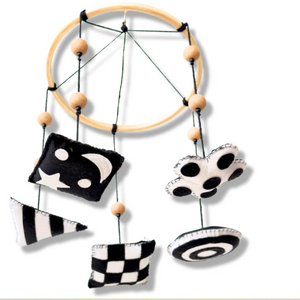
In an Indian home, this means creating a calm, uncluttered space where your baby can observe. High-contrast cards, gentle visual mobiles, and opportunities for free movement on a soft mat are ideal. These simple Montessori materials stimulate their developing vision and allow them to make sense of their surroundings without overstimulation, fostering early concentration.
Educational Toys for Infant Development: Active Exploration (3-6 Months)
As your baby approaches 3-6 months, they become more intentional with their movements. Grasping, reaching, and mouthing objects are key developmental milestones. At this stage, educational toys for infant development should encourage hand-eye coordination and an understanding of cause and effect. Simple wooden rattles, fabric books with varying textures, and grasping rings are perfect. They are designed to be manipulated, satisfying your baby's innate curiosity about how things work.
Research shows that providing opportunities for self-directed exploration at this stage builds intrinsic motivation. Imagine your little one, perhaps in a joint family living room, reaching for a wooden rattle, fascinated by the sound it makes when shaken. This seemingly simple act is a profound lesson in agency and physical mastery. The absence of overwhelming flashing lights or sounds allows their own actions to be the focus of discovery.
Holistic Baby Development India: Milestones and Movement (6-9 Months)
Around 6-9 months, babies are typically mastering sitting, beginning to crawl, and exploring object permanence. This period is crucial for fostering independence and early problem-solving skills. The Indian Academy of Pediatrics emphasizes the importance of unhindered movement for gross motor skill development. Allowing your baby ample floor time to roll, pivot, and crawl is far more beneficial than restrictive devices.
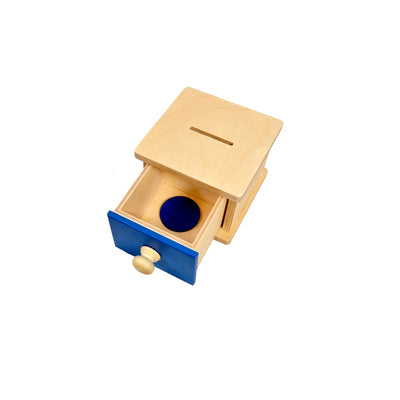
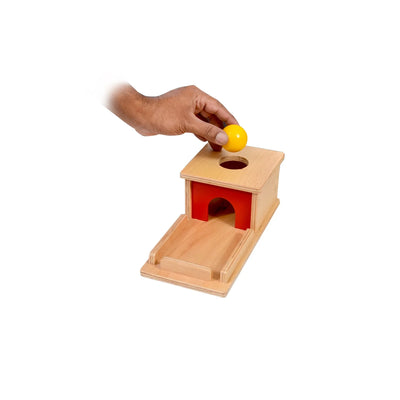
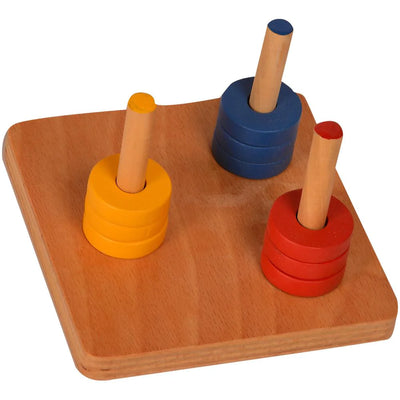
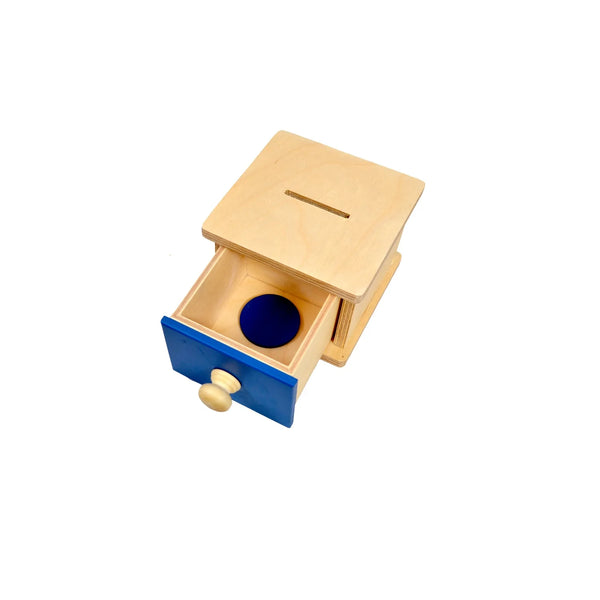
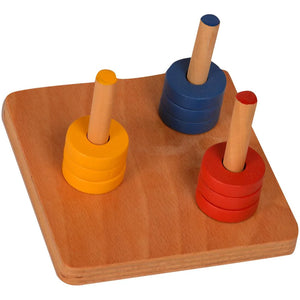
Montessori activities for this age include object permanence boxes, which help babies understand that objects still exist even when hidden, and simple stacking cups or rings. These activities not only build cognitive understanding but also refine fine motor skills and hand-eye coordination. Observing a child in a busy Indian home, learning to navigate around a dadi's saree or reaching for a toy amidst family chatter, demonstrates their developing spatial awareness and adaptability.
Montessori Activities for Infants India: Towards Walking and Talking (9-12 Months)
The final quarter of the first year sees rapid progress: standing, cruising, refined fine motor skills, and an explosion in communication. Montessori activities for infants India at this stage can include push toys that encourage walking, simple shape sorters, and age-appropriate wooden puzzles. These materials not only strengthen gross and fine motor skills but also lay the groundwork for logical thinking and problem-solving.
Child development experts agree that mimicking adult activities is a powerful learning tool in this period. Your baby, observing elders preparing food or performing daily chores, will naturally want to participate. Providing child-sized tools or simple practical life activities, even just stacking blocks or putting items in a basket, validates their desire to contribute. Engaging them with board books, pointing to pictures and naming them in your mother tongue, significantly boosts early language acquisition, a vital part of holistic development.
Empowering Parents for Sustained Progress
India's journey of progress in child health is not just about survival rates; it's about empowering every child to thrive. As new and expecting parents, your active engagement in your baby's first year through thoughtful, Montessori-inspired play is a direct contribution to this national goal. It's about respecting your baby as a capable individual, observing their unique pace, and providing an environment that nurtures their innate curiosity.
The beauty of the Montessori approach is its simplicity and effectiveness, adapting seamlessly to the rich, diverse fabric of Indian family life. By focusing on purposeful play, you're not just buying a toy; you're investing in your child's independence, concentration, and a lifelong love of learning. Observe your baby, trust their abilities, and watch them flourish, day by day, milestone by milestone.