Wooden Puzzles for Kids: Infant Play Guide (0-12 Months)
Introducing wooden puzzles for kids, especially in their first year, can feel like a daunting task for new parents in India. However, engaging your little one with these simple, yet powerful, educational tools from 0-12 months is less about solving and more about exploration and foundational skill building. Child development experts agree that early sensory and motor experiences lay the groundwork for complex cognitive abilities.
Many new parents in Bengaluru, or across India, often wonder, "When is my baby ready for puzzles?" The answer might surprise you: interaction can begin much earlier than you think. This guide offers practical, step-by-step advice on how to play with puzzles 0-12 months, easing anxieties and celebrating every tiny milestone.
What is Infant Puzzle Play?
Infant puzzle play, particularly for babies 0-12 months, is the guided exploration of puzzle pieces through sensory interaction and manipulation. This matters immensely because it fosters critical fine motor skills, hand-eye coordination, and early cognitive connections before true problem-solving emerges. Indian parents can facilitate this by offering simple, safe wooden puzzles and observing their child's natural curiosity.
The Montessori Approach: Observation Over Instruction
Maria Montessori's philosophy, deeply embedded in our approach at SkilloToys, emphasises that a child is their own best teacher when given the right environment. For infants, this means less direct instruction and more gentle facilitation. When introducing wooden puzzles for babies, your role is to observe, offer, and sometimes demonstrate, rather than to correct or push.
Research from institutions like the Harvard Center on the Developing Child consistently highlights the importance of responsive caregiving and a prepared environment. This means choosing appropriate materials and being present, allowing the baby to lead the interaction. For instance, a dadi gently narrating "Oh, this is a circle!" as the baby mouths a wooden piece is far more impactful than trying to force the piece into a slot.
Choosing the Right Wooden Puzzles for Your Infant
Not all wooden puzzles are created equal for the 0-12 month age group. The best baby educational puzzles for this stage are typically:
- Chunky & Large: Pieces must be too big to be a choking hazard.
- Simple Shapes: Think single-shape inset puzzles or basic geometric forms.
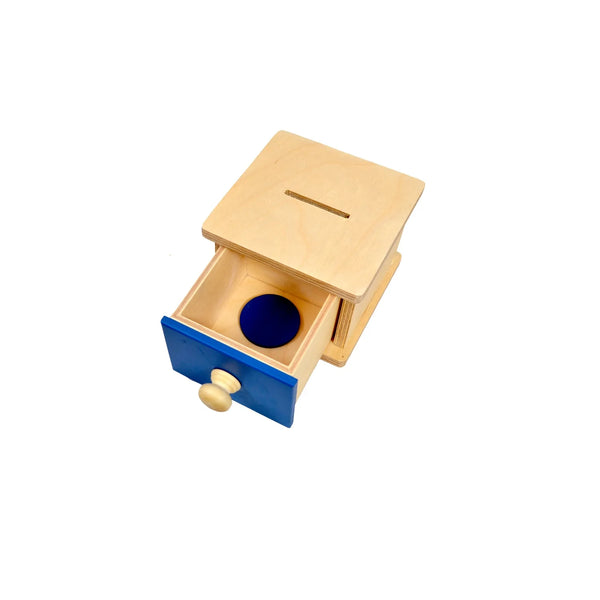
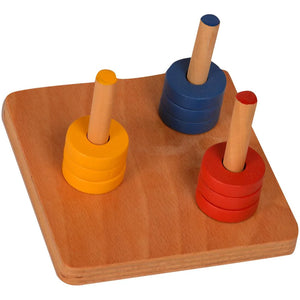
- Knobbed Puzzles: Large knobs make grasping easier for tiny hands, enhancing fine motor skill development.
- Safe Materials: Non-toxic, splinter-free wood with child-safe paints is paramount, as everything goes into the mouth.
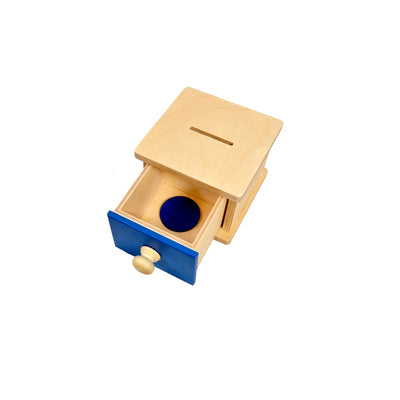
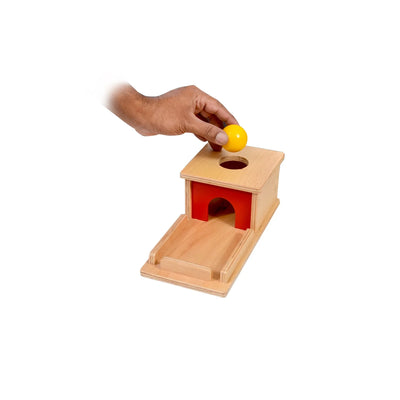
Consider a simple Montessori shape sorter or a single-piece inset puzzle. The goal isn't complex problem-solving yet, but rather sensory exploration, grasping, and manipulating objects.
How to Introduce Wooden Puzzles to Your Baby (0-12 Months)
Introducing wooden puzzles should be a joyful, low-pressure experience. Here's a guide to fostering interactive play:
6-9 Months: Sensory Exploration & Grasping
At this stage, your baby is primarily exploring the world through touch and taste. Offer one or two large, chunky wooden puzzle pieces. Let them grasp, mouth, and bang the pieces. The satisfying 'clunk' sound and the texture of the wood are stimulating.
Sit with your baby, describe the piece ("This is a red circle! So smooth."), and gently demonstrate putting the piece into its spot, without expecting them to replicate it immediately. This exposure to language and action builds cognitive connections. Studies indicate that early exposure to different textures and shapes aids in brain development and sensory integration.
9-12 Months: Developing Hand-Eye Coordination & Object Permanence
As your baby approaches their first birthday, their fine motor skills and hand-eye coordination are rapidly advancing. They might start showing interest in picking up smaller objects with their pincer grasp. This is an excellent time for slightly more complex baby educational puzzles, perhaps with 2-3 distinct shapes.
Continue to narrate, for example, "Where does the star go?" while pointing. Allow them to try placing pieces, even if they don't fit perfectly. Celebrate the effort, not just the outcome. You might notice them repeatedly taking a piece out and putting it back – this is a critical step in understanding object permanence and cause-and-effect. A grandparent might find joy in these repetitive games, reinforcing the learning.
Maximising Interactive Play: Tips for Indian Parents
Creating a rich play environment goes beyond just the toy. It's about interaction and connection, especially within the warmth of an Indian home:
- Involve the Family: In joint families, everyone can participate. A Bua or Mama can sing a rhyme about shapes while playing, adding a layer of language development.
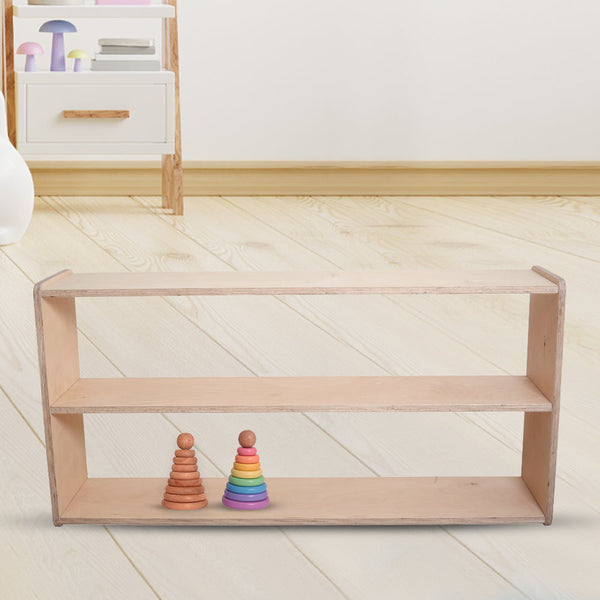
- Designate a Play Space: Even in smaller urban flats, a dedicated corner for floor play with a soft mat for your baby and their wooden puzzles helps establish a routine and minimises distractions.
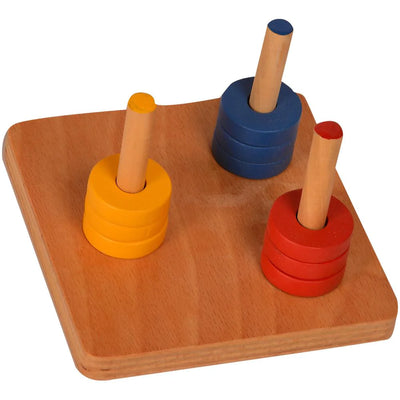
- Follow Their Lead: If your baby is more interested in stacking the puzzle pieces than fitting them, let them! This is their unique way of exploring the material and developing creativity.
- Keep it Short & Sweet: Infants have short attention spans. Five to ten minutes of focused, interactive puzzle play is often more effective than longer, forced sessions.
Remember, the primary goal for this age group isn't mastery of the puzzle, but the joyful process of discovery and developing foundational skills. The simple act of a baby exploring a piece of wood, feeling its weight, and perhaps mouthing it, is a profound learning experience.
The Lasting Impact of Early Puzzle Play
By engaging with wooden puzzles for kids in their first year, you're not just providing entertainment; you're nurturing vital cognitive, fine motor, and sensory development. This early exposure to manipulating objects, understanding shapes, and engaging in focused play sets a strong foundation for future learning, concentration, and problem-solving abilities. SkilloToys is dedicated to empowering Indian parents with resources and toys that support every precious milestone.