Wooden Puzzles for Baby's First Year: A Montessori Guide
Choosing the right wooden puzzles for kids in their first year is crucial for laying a strong developmental foundation, supporting cognitive growth, fine motor skills, and problem-solving abilities from the very beginning. For Indian parents eager to nurture their baby's early milestones, selecting age-appropriate wooden puzzles ensures engagement without frustration, aligning perfectly with Montessori principles of child-led learning.
What are Developmental Wooden Puzzles for Infants?
Developmental wooden puzzles for infants are specially designed, simple wooden toys that cater to a baby's evolving abilities during their first year. These puzzles encourage hands-on exploration, sensory engagement, and early problem-solving, focusing on single concepts at a time to support natural developmental stages. This matters because they offer concrete learning experiences. Indian parents can use them to foster independence and concentration from an early age.
Why Montessori Wooden Puzzles Matter for 0-12 Months
The Montessori approach champions observation and providing materials that perfectly match a child's "sensitive periods" for learning. For infants, this means simple, natural wooden puzzles that engage their senses and emerging physical skills. Unlike complex plastic toys, Montessori wooden puzzles often focus on one challenge at a time – fitting a shape, stacking a ring, or grasping a peg – allowing for deep concentration and mastery. Child development experts agree that such focused activities build foundational cognitive connections, crucial in the baby's first year when brain development is at its peak.
This intentional design allows baby Aarav in Bengaluru, for instance, to learn through doing, discovering how pieces fit together by trial and error, rather than being overstimulated or guided by electronic cues. Research indicates that toys requiring active engagement foster stronger problem-solving skills than passive entertainment.
The Newborn Explorer (0-3 Months): Sensory & Grasping
During the first three months, your baby is primarily absorbing the world through their senses. While traditional "puzzles" in the fitting sense aren't suitable, introducing simple wooden elements can lay groundwork for future puzzle play. Focus on objects that are safe to grasp and mouth, providing rich tactile experiences.
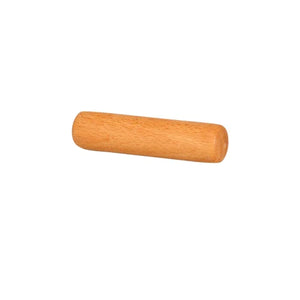
Think about a small, smooth wooden rattle or a wooden grasping toy. These offer baby a clear shape to hold onto, developing their palmar grasp reflex. The feel of natural wood, distinct from fabric or plastic, provides unique sensory input. You might notice your little one in their jhula reaching out and closing their tiny fingers around a wooden ring, guided by their dadi's gentle encouragement. These initial interactions build foundational hand-eye coordination and strengthen tiny muscles.
The Curious Discoverer (3-6 Months): Reaching & Manipulating
As your baby gains head control and starts to intentionally reach, usually around 3-6 months, their world expands. They are moving beyond reflexive grasping to purposeful manipulation. This is when "first puzzles for baby" can start to emerge in the form of simple stacking and grasping activities.
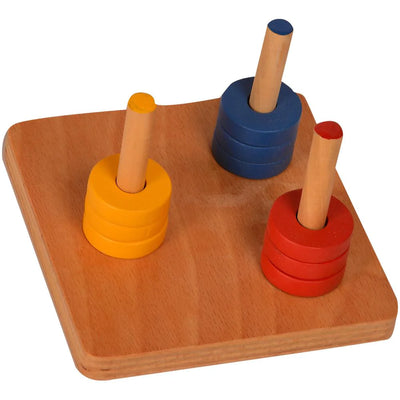
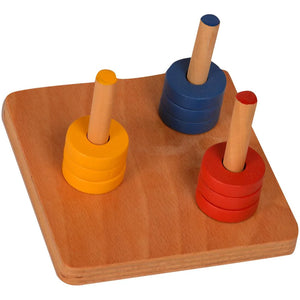
Consider a wooden ring stacker with just one or two large rings. The goal here isn't necessarily to stack perfectly but to practice grasping, transferring from hand to hand, and experiencing cause and effect as rings are removed or fall. These early developmental puzzles for infants help refine their reaching and tracking skills. For a child like Meera in a Delhi joint family, watching her older cousins play, she'll naturally be drawn to reach for and explore the simple wooden shapes, mirroring their actions in her own way.
The Sitting Investigator (6-9 Months): Object Permanence & Transfer
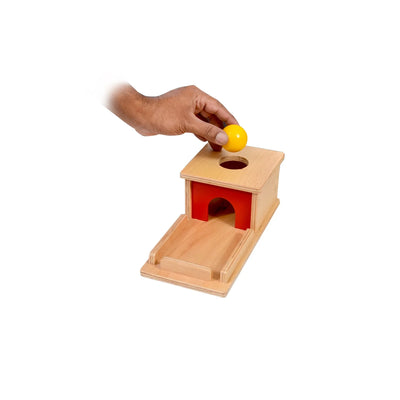
By 6-9 months, many babies are sitting unsupported, giving them a new perspective and greater freedom to interact with objects. This stage is ripe for exploring object permanence and refining their hand-eye coordination. They begin to understand that an object still exists even when hidden.
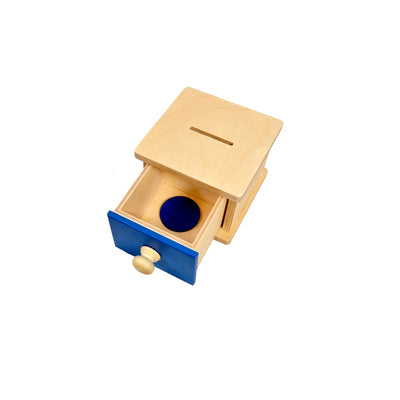
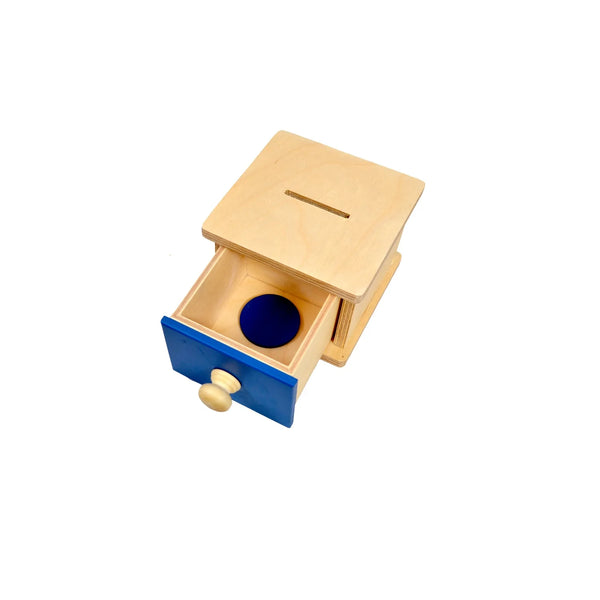
Simple knobbed puzzles, perhaps with just one large, easy-to-grasp wooden circle, are ideal. The focus is on the baby learning to grasp the knob, lift the piece, and then attempt to replace it. This activity directly supports the development of the pincer grasp, a precursor to writing and self-feeding. The "Montessori puzzles by age" principle here emphasizes simplicity; one shape is enough to master before introducing more complexity. Watching baby Vivaan in Chennai repeatedly lift and drop a single puzzle piece, you'll see his intense concentration and the joy of discovery.
The Crawling Constructor (9-12 Months): Problem-Solving & Fine Motor Refinement
As your baby approaches their first birthday, often crawling and pulling themselves to stand, their fine motor skills and cognitive abilities take another leap. They are ready for slightly more complex challenges that involve true problem-solving. This is where wooden puzzles for babies 0-12 months really shine in their traditional form.
Introduce simple inset puzzles with 2-3 basic geometric shapes like a circle, square, and triangle, each with a small knob. The goal is for your baby to match the shape to its corresponding hole. This activity hones their visual discrimination, hand-eye coordination, and spatial reasoning. The sense of accomplishment when a piece fits is immense. According to the Indian Academy of Pediatrics, fostering these independent problem-solving moments in a child's first year significantly boosts their confidence and cognitive development. It's not just about solving the puzzle; it's about the focused effort and perseverance learned.
Choosing Safe & Authentic Wooden Puzzles for Your Indian Baby
When selecting any wooden puzzles for kids, especially for infants, safety is paramount. Always ensure the puzzles are made from non-toxic, child-safe paints and finishes. Pieces should be large enough to prevent choking hazards, and the wood should be smooth, without splinters. SkilloToys.com offers a range of high-quality, authentic Montessori-aligned wooden materials designed with these safety standards in mind, ensuring your little one's playtime is both enriching and secure. You can explore our collection of Montessori learning materials and toys to find the perfect fit for your baby's stage.
Remember, the beauty of wooden puzzles lies in their simplicity. They invite the child to do the work, to imagine, to explore. It's about the process of learning, not just the finished product.
Nurturing Growth: More Than Just Puzzles
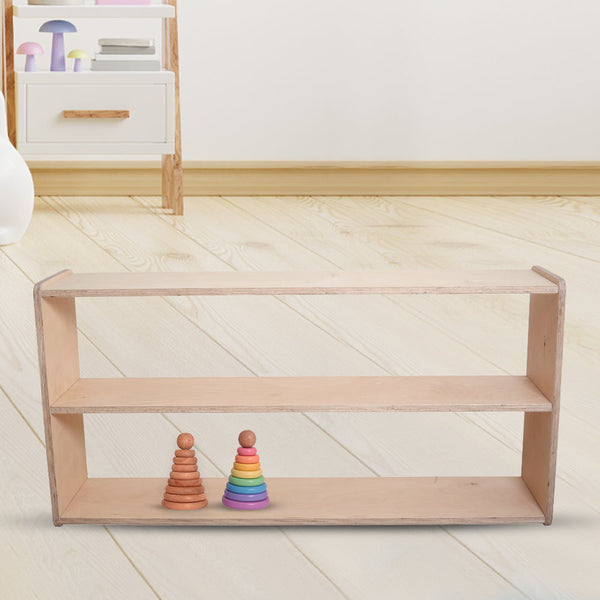
Beyond introducing specific puzzles, creating a "prepared environment" at home, as Maria Montessori advocated, empowers your baby. This means a safe, accessible space where toys are presented thoughtfully, one or two at a time, to encourage focus and independent play. This approach helps reduce overstimulation and fosters a love for learning, preparing your child not just for their first birthday celebrations but for a lifetime of curiosity and discovery.