Baby Developmental Activities by Age 0-12 Months
Engaging in targeted baby developmental activities by age 0-12 months is fundamental for nurturing a child's holistic growth, laying a strong foundation for future learning. Research shows that consistent, age-appropriate play during an infant's first year directly impacts cognitive, motor, and social-emotional milestones. This post empowers new Indian parents with practical, actionable play ideas to confidently support their little one’s journey.
Amidst the joyful chaos of a joint family or the quiet moments with your newborn, understanding how to support development can feel overwhelming. This guide simplifies the process, drawing inspiration from global best practices while rooting them in our Indian context, making milestone achievement a delightful journey for both parent and child.
What are baby developmental activities? Baby developmental activities are specific play-based engagements designed to stimulate infants' physical, cognitive, social, and emotional growth during their first year. This matters because structured play directly supports milestone achievement. Indian parents can confidently introduce these activities to foster holistic development.
Why Age-Specific Play Matters for Your Baby's Growth
Child development experts agree that infants pass through distinct developmental stages, each with unique needs and capabilities. Providing age-specific activities ensures that you are offering challenges that are neither too easy nor too frustrating, thereby optimising learning and engagement. This tailored approach maximises the benefits of play, building confidence and curiosity in your little one.
Studies indicate that babies who engage in consistent, age-appropriate play tend to achieve motor, language, and problem-solving milestones more effectively. For Indian parents, this means understanding that a 3-month-old needs different stimulation than a 9-month-old, and adjusting play accordingly. This focus on readiness is a core tenet of the Montessori philosophy, advocating for learning at the child's own pace.
Milestone Play: Baby Developmental Activities by Age 0-12 Months
Understanding what activities are best for each stage can transform everyday moments into powerful learning opportunities. These suggestions are designed to be easily incorporated into an Indian home, often using simple materials or SkilloToys' educational resources. Remember, the most important 'toy' is always you!
0-3 Months: Sensory Exploration & Bonding
In the first three months, your baby is primarily focused on sensory input and forming attachments. Activities should be gentle and focus on stimulating their senses while strengthening your bond. These are foundational play ideas for 0-3 month old infants.
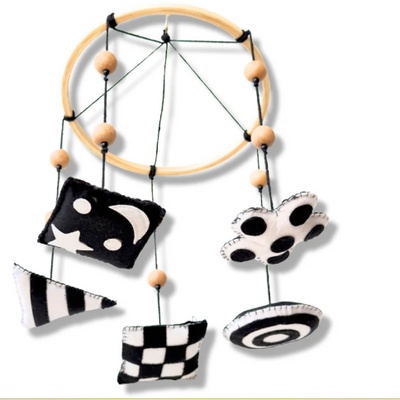
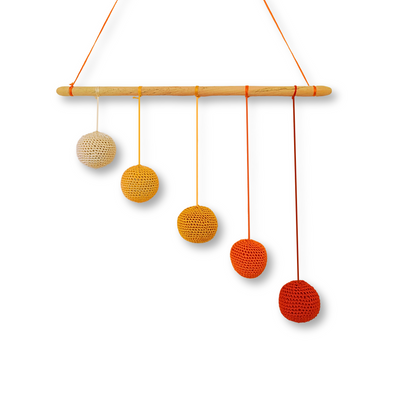
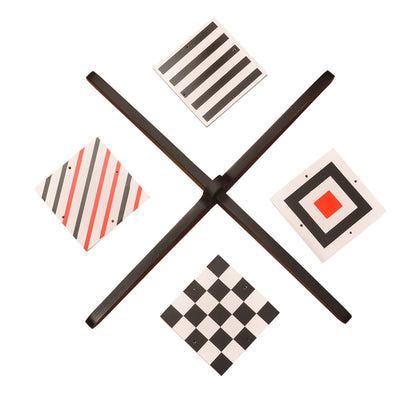
Hold your baby close, sing traditional Indian lullabies, and make eye contact, encouraging them to track your face. Introduce high-contrast black and white images or soft, crinkly fabrics for visual and auditory stimulation. Offering a lightweight rattle or soft mobile allows them to explore sounds and visual tracking, fostering early concentration.
3-6 Months: Discovering Hands and Feet
As babies approach six months, they start to gain control over their limbs, reaching for objects, and exploring textures with their mouths. Tummy time becomes crucial for strengthening neck and core muscles, vital for future sitting and crawling.
Place safe, graspable objects like silicone teethers or wooden rattles within their reach during tummy time, encouraging them to bat and grasp. Soft fabric books with different textures (like those found in a Montessori Montessori method learning materials collection) offer sensory exploration. Encourage interaction by gently holding their hands and feet, mimicking pat-a-cake or simple rhymes.
6-9 Months: Sitting Up and Object Exploration
This period often sees babies mastering sitting independently, opening up new perspectives and opportunities for play. Developmental games 6-9 months focus on object manipulation, cause and effect, and early problem-solving. They begin to understand object permanence – that things still exist even when they can't see them.
Play peek-a-boo, a favourite across Indian households, using a dupatta or a small blanket to hide your face or a favourite toy. Offer nesting cups or stacking rings, encouraging them to grasp, release, and observe how objects fit together. An object permanence box can be introduced, teaching them that a ball dropped into a hole reappears, fostering early cognitive understanding.
9-12 Months: Crawling, Cruising, and First Words
The last quarter of the first year is marked by increased mobility, vocalisation, and a blossoming understanding of language. Babies are often crawling, pulling themselves up to stand, and even taking their first steps, while babbling evolves into recognisable sounds and perhaps a few first words.
Create a safe, open space for exploration, encouraging crawling and cruising along furniture. Introduce simple picture books featuring familiar objects or animals, pointing and naming them in your native language. Engage them with stacking blocks or simple shape sorters, promoting fine motor skills and problem-solving. A sturdy Montessori walker wagon can provide support as they gain confidence in walking.
Supporting Your Baby's Milestones with Montessori Principles
Maria Montessori's philosophy, deeply rooted in observing and respecting the child, provides an excellent framework for supporting baby milestones in India. It emphasises creating a 'prepared environment' where children can explore and learn independently, guided by their natural curiosity. This approach aligns perfectly with our aim to foster self-reliant and joyful learners.
Focus on offering high-quality, open-ended educational toys for 1-year-old India, that allow for discovery rather than dictating play. Materials like wooden blocks, sensory bottles, and activity gyms are perfect examples. Integrating sensory play for babies India, such as playing with various textures of fabric or safe kitchen items like stainless steel bowls and wooden spoons, stimulates their senses and promotes engagement.
The current news context, highlighting the importance of play-based learning alongside nutrition (India Today) and early investment in children as key to India's future (The Hindu), underscores the critical role parents play. SkilloToys provides tools that align with these insights, offering materials that are not just toys, but instruments for development.
- Engaging in age-specific play activities is crucial for stimulating infant development during the first year.
- Montessori principles support holistic growth by encouraging independent exploration in a prepared environment.
- Consistent, short bursts of play are more effective for babies than infrequent, long sessions.
- Sensory play, including high-contrast visuals and textured objects, is vital for early neural development.
- Screen time is not recommended for babies under 18-24 months due to its potential to hinder development.
- Parents' active engagement and interaction are the most powerful catalysts for a baby's learning.
How can I tell if my baby is developing normally?
Monitoring key developmental milestones such as smiling, rolling over, sitting, and babbling provides a general guide. Remember that every child develops at their own pace; consulting your pediatrician for any specific concerns is always recommended for Indian parents.
What are the best types of sensory play for infants?
Effective sensory play for infants includes activities that engage sight, sound, and touch, such as crinkly fabric books, soft rattles, tummy time on different textures, and listening to traditional Indian lullabies. These experiences stimulate neural pathways and curiosity.
Can I introduce Montessori activities to a baby under 6 months?
Absolutely, Montessori principles can be introduced from birth through simple, intentional activities. This includes offering high-contrast mobiles, age-appropriate grasping toys, and creating a prepared environment that encourages independent exploration and concentration.
How often should I engage my baby in developmental play?
Consistent, short bursts of developmental play several times a day are more effective than long, infrequent sessions. Even 10-15 minutes of focused interaction during wake windows can significantly contribute to your baby's cognitive and physical growth, fitting seamlessly into busy Indian family routines.
Are screens beneficial for baby development in their first year?
Child development experts universally agree that screen time is not beneficial for babies under 18-24 months and can hinder crucial face-to-face interaction and exploration. Prioritise real-world, hands-on play and social engagement over digital stimulation for optimal development during this critical period.