Baby Developmental Games: 0-12 Month Play Guide
Engaging in baby developmental games from 0-12 months is crucial for fostering comprehensive growth, laying the groundwork for cognitive, motor, and sensory skills. This aligns with global calls from UNICEF and local insights from India Today, emphasizing play's pivotal role in a child's first year. For anxious new parents across India, understanding which activities truly benefit their little one can transform everyday interactions into powerful learning opportunities.
Baby developmental games are structured or spontaneous activities designed to stimulate an infant's cognitive, physical, and socio-emotional growth during their crucial first year. This matters because early experiences profoundly shape brain architecture and future learning capabilities. Indian parents can empower their babies by incorporating these purposeful play experiences into daily routines, fostering essential skills for a bright future.
Cognitive Development Games for Babies (0-12 Months)
Fostering a baby's cognitive development in the first year is essential for problem-solving and understanding the world around them. Research indicates that early childhood play significantly boosts brain development, with studies showing a notable increase in memory retention and curiosity in infants exposed to diverse, stimulating games. These activities help babies learn about cause and effect, object permanence, and basic logic.
Simple games like peek-a-boo, a favourite in Indian homes, teach object permanence – the understanding that things still exist even when they can't be seen. Tracking moving objects, such as a colourful rattle or a bright dupatta, enhances visual focus and attention span. Offering age-appropriate cause-and-effect toys, like a soft activity cube that crinkles or chimes when touched, encourages a baby to understand that their actions have consequences. These foundational experiences build critical neural pathways for future learning.
Motor Skill Games for Infants: Enhancing Movement & Coordination
Developing gross and fine motor skills is a cornerstone of infant development, enabling babies to explore their environment and interact with objects. Child development experts agree that consistent engagement in motor skill games helps strengthen muscles, improve coordination, and prepare infants for milestones like sitting, crawling, and walking. These activities are particularly important for infants in India, where independent movement is encouraged from a young age.
Tummy time activities are paramount for strengthening neck and back muscles, crucial for later crawling. Place engaging toys slightly out of reach to encourage reaching and grabbing, refining hand-eye coordination. As babies grow, gentle rolling games and supervised floor time allow them to experiment with movement. Offering soft blocks or stacking rings encourages grasping and manipulation, honing fine motor skills essential for tasks like holding a spoon or turning book pages. SkilloToys offers a range of Montessori grasping toys designed specifically for these early developmental stages.
Sensory Games for Babies: Exploring the World Through Senses
Sensory experiences are fundamental to how infants learn about their environment, processing information through touch, sight, sound, smell, and taste. Experts like Maria Montessori emphasized that a child's brain develops rapidly, forming over 1 million neural connections per second in the first year, largely driven by sensory input. Providing rich and varied sensory games supports holistic brain development and helps babies make sense of complex stimuli.
Introduce babies to a variety of textures through safe cloth books, different fabrics (like silk, cotton, or wool), or even traditional Indian clay toys (ensure they are safe and clean). Sound exploration, using rattles, soft bells, or singing traditional lullabies and rhymes with family members, helps develop auditory processing. Mirror play is excellent for self-recognition and visual tracking. Engaging multiple senses simultaneously, such as a brightly coloured textured ball, creates a richer learning experience. Explore our collection of sensory exploration materials at SkilloToys.
Montessori Baby Games for Holistic Development
The Montessori approach, developed by Dr. Maria Montessori, champions child-led exploration and purposeful engagement with specially designed materials. Montessori baby games are not just about play; they are about fostering concentration, independence, and a love for learning from infancy. This method is particularly beneficial for Indian parents seeking a structured yet flexible approach to early education.
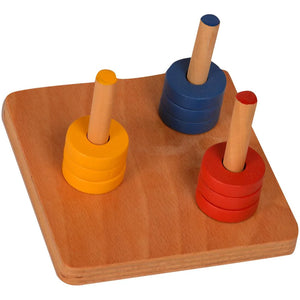
Key Montessori principles for infants include providing a prepared environment with accessible, simple toys. An object permanence box, for instance, helps babies understand that an object continues to exist even when hidden, a critical cognitive milestone. Grasping materials, like the interlocking discs or small rattles, refine fine motor skills and hand-eye coordination. Simple wooden puzzles for older infants (around 9-12 months) introduce problem-solving. These activities allow babies to learn at their own pace, fostering self-confidence and an innate drive for discovery. Find a curated selection of Montessori baby materials at SkilloToys.
Incorporating these essential baby developmental games into your daily life is not about rigid schedules, but about creating joyful, purposeful interactions. Whether it’s through traditional games with grandparents, celebrating a baby’s first Diwali, or simply spending quiet moments together, every interaction is an opportunity for growth. Remember, your presence and engagement are the most powerful tools for supercharging your baby's development in their magical first year.
- Engaging in baby developmental games from 0-12 months is crucial for comprehensive growth.
- Early play experiences significantly shape a baby's cognitive, motor, and sensory development.
- Cognitive games like peek-a-boo build object permanence and attention span.
- Motor skill activities such as tummy time strengthen muscles and improve coordination.
- Sensory games, including exploring textures and sounds, foster holistic brain development.
- Montessori baby games promote concentration, independence, and purposeful learning from infancy.
What is the most important type of play for a 0-3 month old?
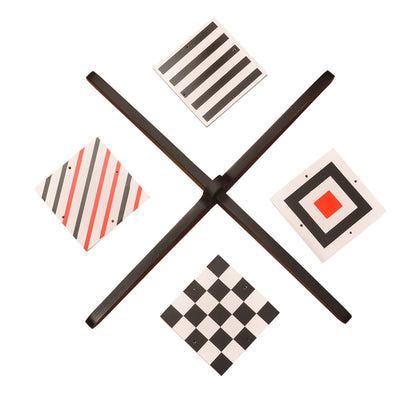
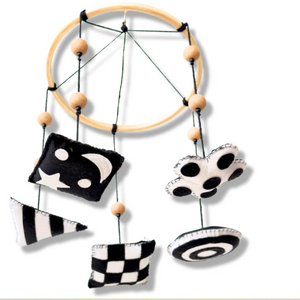
For infants aged 0-3 months, sensory exploration and tummy time are paramount. Activities like gentle rocking, soft music, and contrasting black-and-white visuals stimulate their developing senses and encourage early head control.
How do Montessori games differ for infants?
Montessori infant games focus on real-world objects, purposeful movement, and self-directed exploration. They provide single-focus activities, like grasping a rattle or tracking a moving object, promoting concentration and independent discovery without overwhelming stimuli.
Can grandparents help with baby developmental games?
Absolutely, grandparents play a vital role in Indian families and can significantly contribute to a baby's development. Their gentle interactions, traditional songs, storytelling, and patient engagement in simple games like peek-a-boo foster strong emotional bonds and language skills.
How often should I play developmental games with my baby?
Child development experts recommend integrating short, frequent play sessions throughout the day rather than long, structured periods. Even 10-15 minute bursts of focused interaction several times a day are highly beneficial for an infant's learning and bonding.
Are there simple household items I can use for baby games?
Yes, many everyday household items can be excellent developmental tools. Soft scarves for peek-a-boo, safe kitchen utensils for banging (supervised), or different textured cloths for sensory exploration are cost-effective and engaging options for babies.