Doll House for Kids: Montessori First Home Play (0-12 Months)
Many Indian parents, in their earnest search for stimulating toys, might type 'doll house for kids' into search engines, only to wonder if such a detailed toy is suitable for their little one. For babies aged 0-12 months, a traditional doll house with its tiny furniture and intricate details is neither safe nor developmentally appropriate. Instead, child development experts advocate for Montessori-inspired 'first home' play, which focuses on creating age-appropriate, secure, and engaging micro-environments that nurture early growth.
Montessori 'first home' play is the intentional design of a baby's immediate environment to be safe, stimulating, and supportive of natural exploration. This matters because a baby's first year is a critical period for forming neural connections and understanding their physical world. Indian parents can implement this by providing simple, contained spaces that invite independent discovery, laying the groundwork for spatial awareness and imaginative play.
Rethinking the ‘Doll House’ for Infants: What Babies Truly Need
When we think of a dollhouse, images of miniature rooms and characters for older children often come to mind. However, for an infant, their “first home” is literally their immediate surroundings — the floor space they crawl on, the corner where their activity gym stands, or the secure boundaries of their playard. Research shows that infants thrive in environments that offer a sense of security and predictability, allowing them to confidently explore within defined limits.
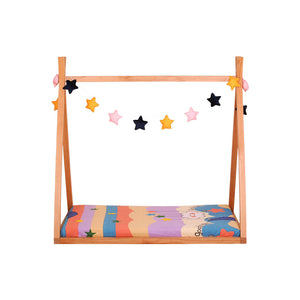
This early understanding of boundaries and objects within a space is foundational. According to Dr. Maria Montessori's observations, children build their intelligence by absorbing information from their environment. For a baby in a bustling joint family in Bengaluru, a small, quiet “home-like” nook, perhaps a fabric tent or a wooden play structure for babies, offers a crucial sense of individual space amidst collective living, enabling focused engagement without overstimulation.
Montessori House Toys for Infants: Building Spatial Awareness and Curiosity
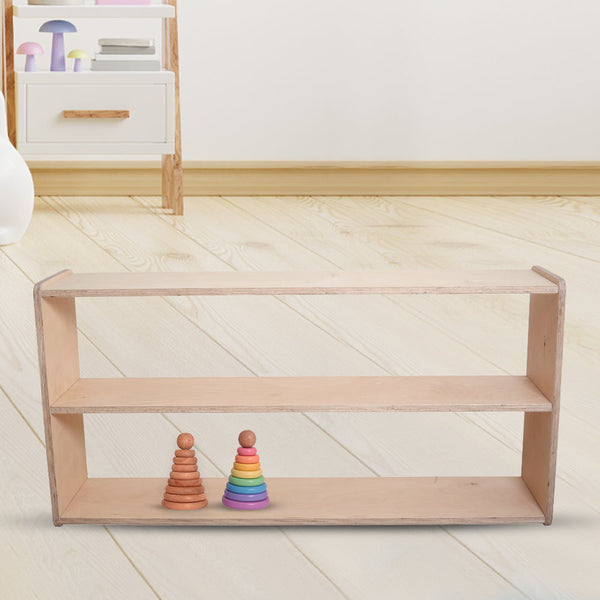
Instead of miniature replicas, Montessori-inspired “house” play for infants involves simple, open-ended structures that encourage interaction. Consider a low-lying wooden play gym or a sturdy fabric tunnel. These aren't just toys; they are tools for cognitive development. When a baby crawls through a tunnel or reaches for a hanging toy inside a framed structure, they are learning about spatial relationships — “in,” “out,” “under,” “through.” This is the earliest form of understanding their place in the world.
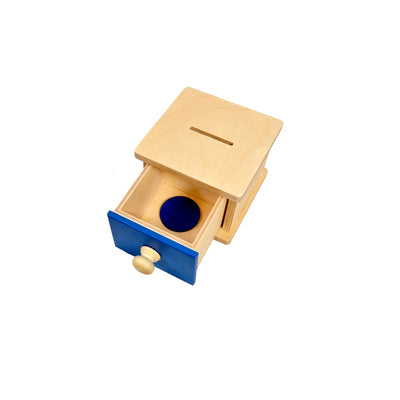
The satisfying clunk of a wooden block as it's placed inside a simple wooden frame, or the soft rustle of a baby crinkling fabric within their designated play area, offers rich sensory input. These “baby play house” elements promote fine and gross motor skills, as little hands grasp and manipulate, and little bodies push and pull. Studies indicate that self-directed exploration within a controlled environment significantly enhances a baby’s problem-solving abilities and independence, skills critical for navigating later childhood challenges like school pressure.
Early Imaginative Play 0-12 Months: Seeds of Creativity
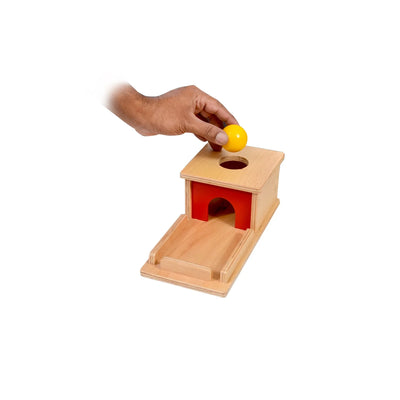
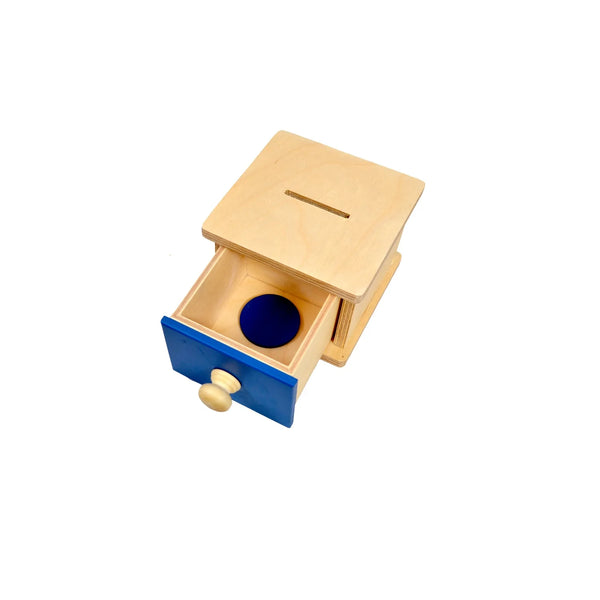
Even before uttering their first words, babies are engaging in early imaginative play. When a baby repeatedly drops a toy from a small “window” in a wooden structure and eagerly waits for it to reappear, they are experimenting with object permanence — a key cognitive milestone. This simple act of “peek-a-boo” with a structure resembling a home is a precursor to complex role-playing later on.
Creating these contained, “house-like” spaces also encourages longer periods of concentration. A baby who feels secure in their dedicated area, perhaps a cozy corner with a soft mat and a few wooden blocks, is more likely to engage deeply with their materials. This focused play is vital for developing attention spans, a concern for many Indian parents anticipating school readiness.
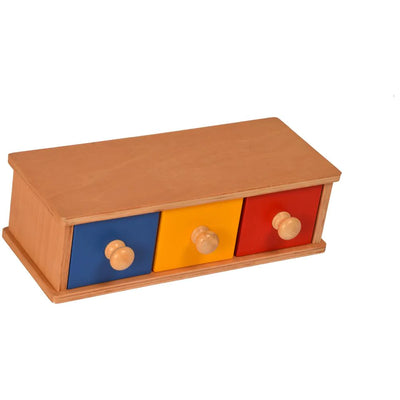
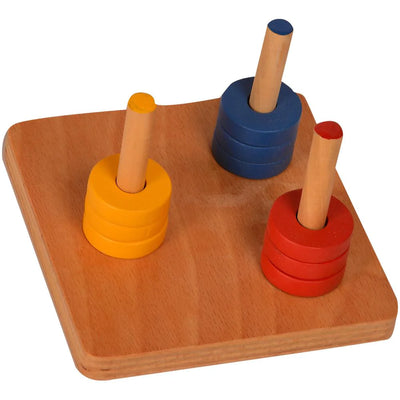
For parents wondering how to incorporate such elements, a simple wooden activity gym or a small, lightweight tent can transform any corner of a room into a baby's personal “first home.” These structures allow for open-ended play, where the child's imagination fills in the details, rather than being dictated by a pre-designed toy. You can explore a range of suitable Montessori materials and wooden educational toys for infants that encourage this kind of foundational development.
Practical Tips for Indian Homes: Creating Your Baby's ‘First Home’ Play Space
Setting up an effective 'first home' play area doesn't require a large house. Even in urban Indian flats, thoughtful arrangement can make a big difference. Designate a clear, clutter-free zone where your baby can safely explore. This could be a playard, a mat, or a small tent. Ensure the space is well-lit and free from hazards, especially if grandparents are watching the baby, as their understanding of modern safety standards might differ.
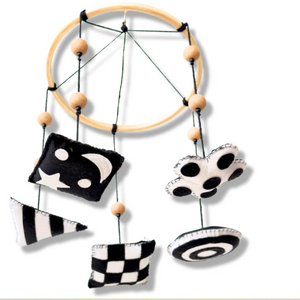
Introduce simple, natural materials. Soft blankets, wooden rattles, and fabric books are excellent choices. Consider a wooden baby gym with detachable hanging elements that babies can bat at or grasp. These items encourage sensory exploration without overwhelming your baby's developing senses. Remember, the goal is not to fill the space with toys, but to provide opportunities for meaningful interaction.
In a country where infant care and development are increasingly prioritized, as reflected in discussions around the India Baby Food and Infant Formula Market Forecast 2034 and sustained progress in reducing child deaths (UNICEF), investing in developmentally appropriate play environments is crucial. The CDC in India also highlights the importance of healthy child development, underscoring that every interaction and play opportunity contributes significantly to a baby's well-being and future capabilities. Empowering babies with spaces for independent, secure play is a testament to this commitment.
By offering simple, thoughtfully designed “first home” play opportunities, we equip our babies with the tools they need to understand their world, one secure, explorative space at a time. It's not about miniature furniture, but about building the foundation for a lifetime of learning and imagination.