Infant Formula India: Decoding Choices for 0-12 Months
Deciphering the myriad choices for infant formula India and baby food can be a source of significant anxiety for new parents in Bengaluru and across the nation. As highlighted by the 'India Baby Food and Infant Formula Market Forecast 2034,' our market is experiencing substantial growth, leading to more options but also more potential confusion. This guide offers clarity and practical advice for nourishing your 0-12 month old, ensuring informed choices that support their developmental journey.
What is Infant Formula and Baby Food?
Infant formula in India is a manufactured food designed to meet the nutritional needs of infants under 12 months, mimicking breast milk's composition. This matters because it serves as a critical nutritional alternative when breastfeeding is not possible. Indian parents can confidently choose a formula by understanding its ingredients and consulting with their paediatrician for personalised guidance.
Understanding Infant Formula Choices in India
When breastfeeding is not an option, or as a supplement, choosing the right infant formula in India becomes crucial. The market offers various types, and understanding them helps in making a confident decision. Research consistently shows that a well-chosen infant formula can provide comprehensive nutrition for growth and development.
Navigating Types and Ingredients
Most infant formulas available in India are cow's milk-based, processed to make the proteins digestible for babies and fortified with essential nutrients like iron, DHA, and ARA. You might also find soy-based formulas for babies with cow's milk protein allergies, or specialty formulas for specific medical needs. Always check the label for ingredients and ensure it adheres to FSSAI (Food Safety and Standards Authority of India) guidelines, which regulate the nutritional standards for infant foods.
Child development experts agree that careful consideration of ingredients is paramount. Look for a balance of carbohydrates, proteins, fats, vitamins, and minerals. If your baby shows signs of discomfort, reflux, or allergic reactions, discuss these immediately with your paediatrician. They can recommend hypoallergenic or other specialised formulas.
Introducing Solids (6-12 Months): A Mindful Approach
The journey of introducing solids 0-12 months India is an exciting milestone, usually beginning around six months. This period is not just about nutrition but also about fostering independence and a positive relationship with food, echoing Montessori feeding tips.
Recognising Readiness, Beyond Just Age
While six months is a general guideline from organisations like UNICEF and the Indian Academy of Pediatrics (IAP), a baby's readiness cues are more important. Observe if your baby can sit upright with good head control, shows interest in your food, opens their mouth when food is offered, and has lost the tongue-thrust reflex that pushes food out. For instance, a 7-month-old in a joint family in Bengaluru might eagerly watch their dadi eating idli, reaching out, indicating readiness.
Maria Montessori's philosophy emphasises observing the child. When it comes to feeding, this means respecting their pace and allowing them to explore textures and tastes. Offer opportunities for your baby to engage with their surroundings and develop fine motor skills, which are essential for eventual self-feeding. Explore a range of Montessori method learning materials and toys that can support overall development.
Traditional Indian First Foods and Montessori Principles
Traditionally, Indian homes have embraced nutrient-rich first foods. Soft, mashed dal, thin ragi porridge (nachni satva), pureed boiled vegetables like pumpkin or carrots, and soft mashed fruits like banana are excellent choices. Offer single-ingredient foods first, one at a time, waiting 3-5 days before introducing another to identify any allergies. This methodical approach is also a core tenet of Montessori, promoting order and clear understanding.
Applying Montessori feeding tips involves more than just what food to offer. It's about how you offer it. Provide a dedicated, calm space for meals. Offer small, manageable portions. Let your baby touch and explore their food, even if it gets messy – this sensory exploration is crucial for development. Consider child-sized cutlery when they show interest, and avoid distractions like screens during mealtime.
Making Healthy Baby Food Choices in India
Whether you opt for homemade or store-bought, making healthy infant nutrition India choices is key for your baby's robust development.
Homemade vs. Store-Bought Baby Food in India
Homemade baby food India offers the advantage of knowing exactly what goes into your child's meal, allowing you to control freshness, ingredients, and avoid added sugars, salts, and preservatives. Preparing small batches of mashed khichdi or pureed seasonal vegetables is a loving ritual for many Indian families. However, for busy parents in urban centres, commercially prepared baby food can be a convenient, safe, and nutritionally balanced option. If choosing store-bought, scrutinise labels for hidden sugars, excessive sodium, and artificial ingredients. Look for products with minimal ingredients and fortified with essential vitamins and minerals.
Addressing Grandparents' Advice and Balancing Traditions
Many Indian families have the wonderful support of grandparents, who often bring traditional wisdom and specific food suggestions. While valuable, some traditional practices might not align with current paediatric guidelines (e.g., introducing honey before 1 year, or early sugar intake). The Centers for Disease Control and Prevention (CDC) in India, along with IAP, advises caution on certain foods. It's important to respectfully communicate with family members, explaining that modern nutrition science has evolved, while still incorporating healthy traditional elements like a variety of dals, fresh fruits, and vegetables.
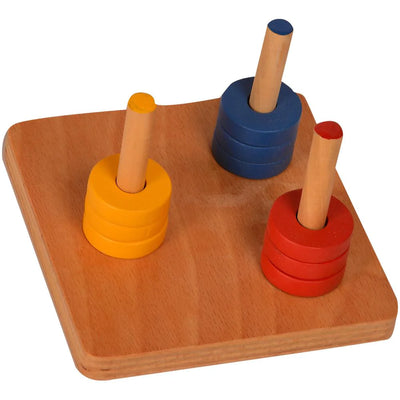
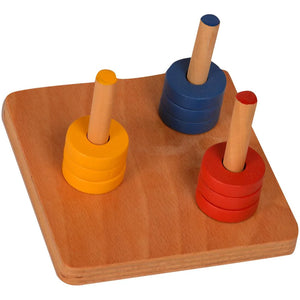
Remember that feeding is a journey of discovery for your child. Just as they learn to stack wooden toys or explore a sensory play box, they are also learning about tastes, textures, and their own hunger cues during meal times. Providing a rich, varied diet, whether from homemade preparations or carefully chosen commercial options, lays a strong foundation.
Decoding infant nutrition can feel like a complex task, but by focusing on developmental readiness, understanding labels, and embracing a mindful approach to feeding, you can confidently nourish your baby. Every meal is an opportunity to connect, teach, and support your child's healthy growth and burgeoning independence. Trust your instincts, consult your paediatrician, and enjoy this precious phase of your baby's first year.